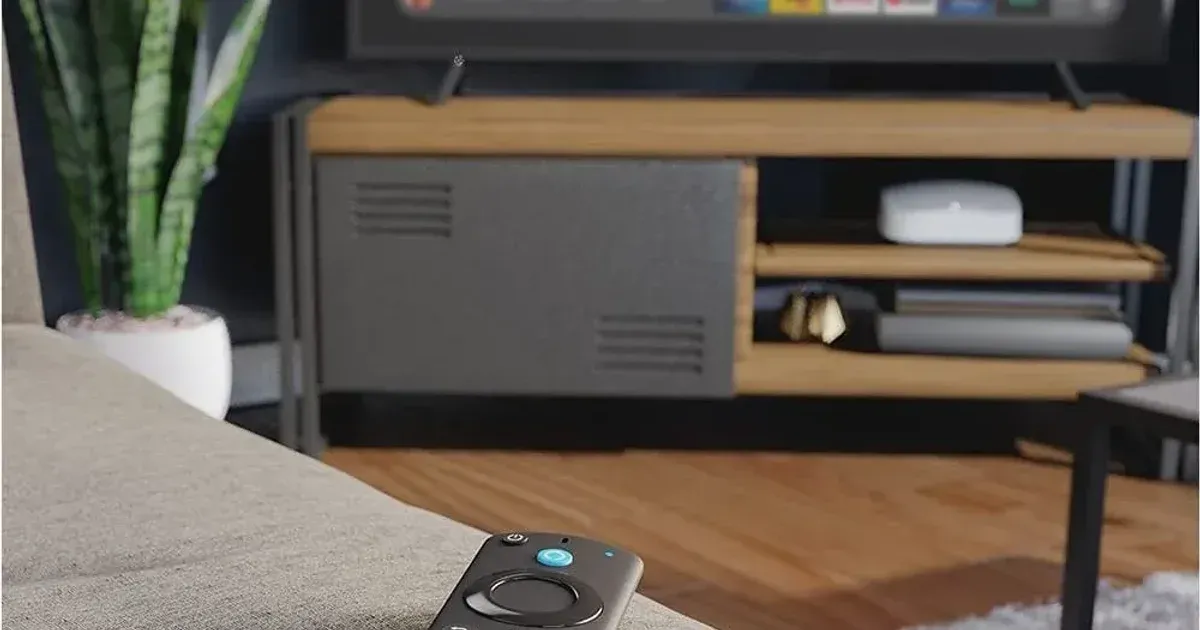
The discounts matter because streaming hardware is now a gateway to advertising and subscriptions. That makes device pricing part of a larger platform fight. The streaming-stick discounts show how platform owners are fighting for the living room again. Amazon and Google moved to consolidate their dominance in the home entertainment sector on April 21, 2026, by launching a series of aggressive price cuts across their primary streaming hardware portfolios. Retailers began listing the upgraded Amazon Fire TV Stick 4K Max for $55, a price point that positions the device as a high-performance alternative to traditional cable boxes. Consumer electronics analysts note that this pricing strategy aims to undercut competitors while accelerating the adoption of Wi-Fi 6 technology in households. Standard models of the Fire TV Stick have simultaneously seen prices drop to $34, effectively creating a tiered entry system for the company's ecosystem.
Performance remains a central focus for these hardware iterations. The Fire TV Stick 4K Max utilizes 2GB of RAM and a quad-core 1.8GHz processor to resolve enduring complaints regarding interface lag. Users can expect markedly smoother navigation than previous versions, with load times for demanding applications like Netflix and Disney+ decreasing. Amazon insists that the increased power allows for more seamless transitions between live television and on-demand content.
Technical specifications for the 4K Max model highlight a 40% increase in processing power compared to the previous generation.
Wi-Fi 6 support provides the necessary bandwidth for 4K streaming without the buffering issues that plagued earlier 2.4GHz and 5GHz devices. Households with multiple connected devices often struggle with network congestion, but the 4K Max seeks to reduce this by using the more efficient wireless standard. Apple TV 4K units also support this standard, but they retail for much higher prices, making the $55 price tag for the Amazon stick a strategic pressure point in the market.
Amazon Launches Faster Fire TV Stick Hardware
Bundling hardware with services has become a preferred method for tech giants to secure long-term user engagement. Amazon currently offers a $100 package that pairs the Fire TV Stick 4K Max with a Luna controller, aimed directly at the casual gaming market. The controller typically costs $70 on its own, meaning the bundle provides a $25 savings for consumers interested in cloud gaming. This move suggests a broader intention to transform the streaming stick from a simple media player into a full entertainment hub.
Amazon claims the Fire TV Stick 4K Max is 40% more powerful than its predecessor.
Integration with the Alexa voice ecosystem continues to be a primary selling point for the Fire TV line. Remote controls now feature dedicated buttons for popular streaming services, alongside a blue voice command button that allows users to search for content across different platforms. Users who have invested in Echo smart speakers can sync their devices to create a home theater audio system without the need for complex wiring. Such hardware cooperation provides a distinct advantage for customers already embedded in the Amazon environment.
Older hardware versions do not simply disappear from the market when new models arrive. The $34 sale price for the standard Fire TV Stick 4K makes it the most affordable entry point for 4K HDR content. This price reduction forces competitors like Roku to reconsider their own entry-level pricing to avoid losing market share among budget-conscious shoppers. Data from retail trackers indicates that lower-priced sticks often serve as the primary gateway for new subscribers to Prime Video and other Amazon-owned services. Beyond streaming hardware, broader shifts in smart home technology are also impacting current retail pricing trends.
Google Integrates Native Apps Into Chromecast Devices
Google has responded to this pressure by overhauling its Chromecast lineup, moving away from a device that requires a smartphone to operate. The current Chromecast with Google TV retails for $50 and features a dedicated on-screen interface that mirrors the functionality of a smart TV. This shift addresses the primary criticism of earlier Chromecast models, which many users found cumbersome because they lacked a physical remote. The new voice remote includes a dedicated Google Assistant button, allowing for voice-activated content discovery and smart home control.
Native app support allows the device to stream 4K HDR content with HDR10+ and Dolby Vision directly from its internal storage. Users no longer need to worry about their phone battery dying while casting a film, as the Google TV platform manages all processing locally. The interface also aggregates content from various subscriptions into a single home screen, though it heavily prioritizes services that participate in Google's metadata sharing program.
Hardware design for the Chromecast remains focused on a minimalist, puck-shaped dongle that hangs from the HDMI port. The design choice ensures that the device stays hidden behind the television, though it may require an external power source for 4K playback. Compatibility with Dolby Atmos audio provides a high-fidelity experience for users with compatible soundbars or surround sound systems. Google maintains that its platform offers a more personalized experience than the ad-heavy Fire TV interface.
Nvidia Positions Shield TV as High End Choice
Nvidia occupies the premium segment of the market with the Shield TV, a device that prioritizes raw power and gaming capabilities. Priced at $149.99, the Shield TV uses a cylindrical design intended to sit behind home theater components or in the corner of a media cabinet. The device runs on the Android TV platform but includes several proprietary Nvidia features, such as AI-enhanced upscaling. The upscaling technology uses machine learning to transform 1080p content into 4K, providing a sharper image for older films and television shows.
Gaming performance sets the Shield TV apart from the $50 sticks offered by competitors. The device supports GeForce Now, allowing users to stream high-end PC games directly to their television with minimal latency. While the price is nearly triple that of a Chromecast, the Shield TV serves a specific demographic of enthusiasts who demand high-bitrate streaming and advanced audio pass-through features. The Pro version of the Shield TV offers even more RAM and storage for those who use their device as a Plex server.
Reliability in high-end streaming is often tied to thermal management. The Shield TV's larger form factor allows for better heat dissipation compared to small HDMI sticks, which can occasionally throttle performance during extended 4K playback sessions. Enthusiasts often cite this stability as a primary reason for the higher investment. The inclusion of a backlit, motion-activated remote further emphasizes the premium nature of the product.
Fire TV Recast Targets Local Television Viewers
Amazon addressed the gap between streaming and broadcast television with the Fire TV Recast, a dedicated box for over-the-air signals. Priced at $129.99 during promotional periods, the Recast allows users to watch and record local news and sports without a monthly subscription fee. The device requires a separate HD antenna to function, but once connected, it integrates local channels directly into the Fire TV interface. Users can schedule recordings from their smartphone and watch live broadcasts while away from home. Cord-cutting strategies often fail because users lose access to local affiliates for networks like ABC, CBS, and NBC. The Recast solves this by acting as a network tuner that broadcasts the antenna signal to every Fire TV and Echo Show in the house. It eliminates the need for multiple antennas and complex coaxial cable runs. Since the device carries no recurring fees, the initial hardware cost is typically recouped within a few months of canceling a traditional cable subscription. Storage capacity on the Recast varies by model, with the standard version holding up to 75 hours of high-definition programming. Unlike cloud-based DVR services, the recordings are stored locally on the device's hard drive, ensuring they remain accessible even if the internet connection drops. The box does not need to be placed near the television, as it communicates with streaming sticks over the home Wi-Fi network. The flexibility allows users to place the Recast and its antenna in the area of the home with the strongest signal reception.
Streaming Discounts Test Platform Loyalty
Silicon Valley executives are essentially giving away hardware to secure a permanent toll booth in the modern living room. The aggressive pricing of the Fire TV Stick and Chromecast suggests that the hardware itself has become a loss leader designed to enable data extraction and subscription revenue. When Amazon sells a 4K streaming stick for $34, it is not looking for a profit margin on the plastic and silicon; it is purchasing a guaranteed channel for targeted advertising and Prime membership renewals. The race to the bottom in hardware pricing creates a deceptive environment where the consumer is the product rather than the customer. Nvidia is the only major player resisting this trend, yet their premium position is increasingly unstable. As cloud gaming and AI upscaling become standard features in cheaper SOCs, the justification for a $150 streaming box begins to erode. The Shield TV persists because of a small enclave of home theater purists, but the mass market has clearly signaled that convenience and price outweigh technical perfection. We are looking at a future where independent hardware manufacturers are squeezed out by platform owners who can afford to subsidize their devices through ad sales. Is the era of the neutral streaming device officially over? Every interface now feels like a curated storefront for the parent company's interests. Google TV pushes YouTube and Play Store content, while Fire TV is a digital billboard for Amazon Originals. The illusion of choice remains, but the algorithmic gatekeepers are more powerful than ever. The hardware is now just the delivery mechanism for a closed-loop digital economy. Total market dominance is the goal.