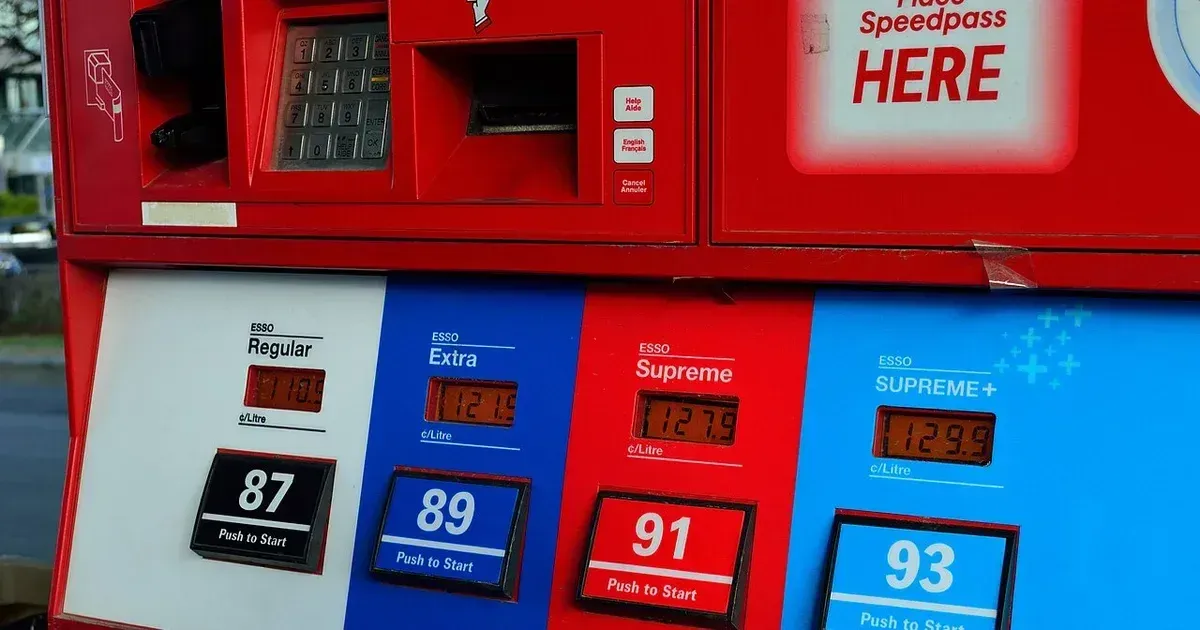
Andy Walz offered a blunt answer to Americans frustrated by high fuel prices: use less fuel where possible. The advice was practical but politically exposed because many households cannot easily change how far they drive. The Chevron executive made the point during an April 15, 2026, interview at the company's Pascagoula refinery in Mississippi, where questions about refinery output, household costs, and political pressure all converged.
Walz did not present conservation as a cure-all. His point was narrower and more practical. When prices rise because of crude costs, refinery constraints, shipping disruptions, or seasonal demand, drivers have only a few immediate tools. Reducing unnecessary trips, combining errands, keeping vehicles maintained, and avoiding wasteful driving can soften the blow even when national prices remain high.
The message landed awkwardly because many households cannot simply drive less. Commuters, rural residents, delivery workers, caregivers, and parents with school schedules often have little flexibility. That is why the interview became more than a consumer tip. It exposed the tension between individual conservation advice and the structural reality of an economy built around cars.
Fuel Advice Meets Household Limits
Chevron's Mississippi operation is a major piece of the domestic fuel system. Refineries such as Pascagoula turn crude oil into gasoline, diesel, jet fuel, and other products that move through regional supply chains. When those facilities run smoothly, they help keep markets supplied. When demand jumps or crude becomes more expensive, consumers still feel the change quickly at the pump.
Walz framed energy conservation as a shared responsibility, but the burden is not evenly distributed. A driver in a dense city may be able to shift some trips to transit, walking, or carpooling. A worker in a county with limited public transportation may have no real substitute for a personal vehicle. That difference matters when executives and public officials talk about consumer behavior.
The practical advice remains useful, but only within limits. Fuel-efficient driving, tire pressure checks, fewer idling minutes, and better route planning can save money over time. Those savings, however, rarely offset a sharp price spike caused by global oil markets or refinery margins. Consumers can reduce exposure; they cannot control the market.
Why Refinery Capacity Matters
Refinery capacity is one reason gasoline prices do not move in a simple line with crude oil. A refinery outage, maintenance period, storm threat, or regional supply bottleneck can raise local prices even when crude markets are stable. That is why interviews at large refinery sites tend to carry political weight. They connect a family budget problem to industrial infrastructure most drivers never see.
The conservation message also reflects a longer-term energy transition debate. Oil companies argue that demand remains strong and that reliable fuel supply is still essential. Climate advocates argue that high prices show the need for more transit, electric vehicles, and less dependence on gasoline. Drivers sit between those arguments, making daily cost decisions with whatever options they actually have.
For Washington, the issue is politically sensitive because fuel prices are visible and immediate. A household may not track wholesale energy markets, but it sees the number on the pump every week. That visibility turns refinery output, import costs, and geopolitical risk into kitchen-table politics.
The clearest takeaway from Walz's remarks is that conservation can help individual drivers but cannot replace supply policy, infrastructure planning, or broader transportation choices. Asking Americans to drive less may be reasonable advice for some. It is not a complete answer for people whose jobs, towns, and family obligations still require a full tank.
The better policy conversation starts where the consumer tip ends. If officials want households to use less gasoline, they need reliable transit, safer roads for shorter local trips, more efficient vehicles, and housing patterns that do not force every errand into a long drive. Until those choices are available, conservation advice will remain useful but incomplete. Walz's comment therefore works best as a narrow budget suggestion, not as a full explanation for why fuel prices feel so difficult for families.
The consumer reaction is predictable because fuel advice often sounds simple from a refinery site and complicated from a household budget. A family may already be combining errands, delaying trips, or choosing the cheaper station, yet still face a higher weekly cost because work, school, medical appointments, and caregiving do not disappear. That is why the story matters beyond one executive's wording. It shows the gap between market logic and lived experience. Conservation can reduce waste, but durable relief depends on more efficient vehicles, better local transportation choices, stable refinery operations, and energy policy that reduces exposure to sudden shocks. Until those pieces improve, drivers will keep hearing practical tips that help at the margins while the larger system continues to demand gasoline. The same point applies to refinery messaging. Consumers are more likely to accept conservation advice when companies also explain what they are doing on supply, maintenance, and reliability. If the industry asks drivers to change habits, it also has to show how it is reducing avoidable disruptions inside its own system.