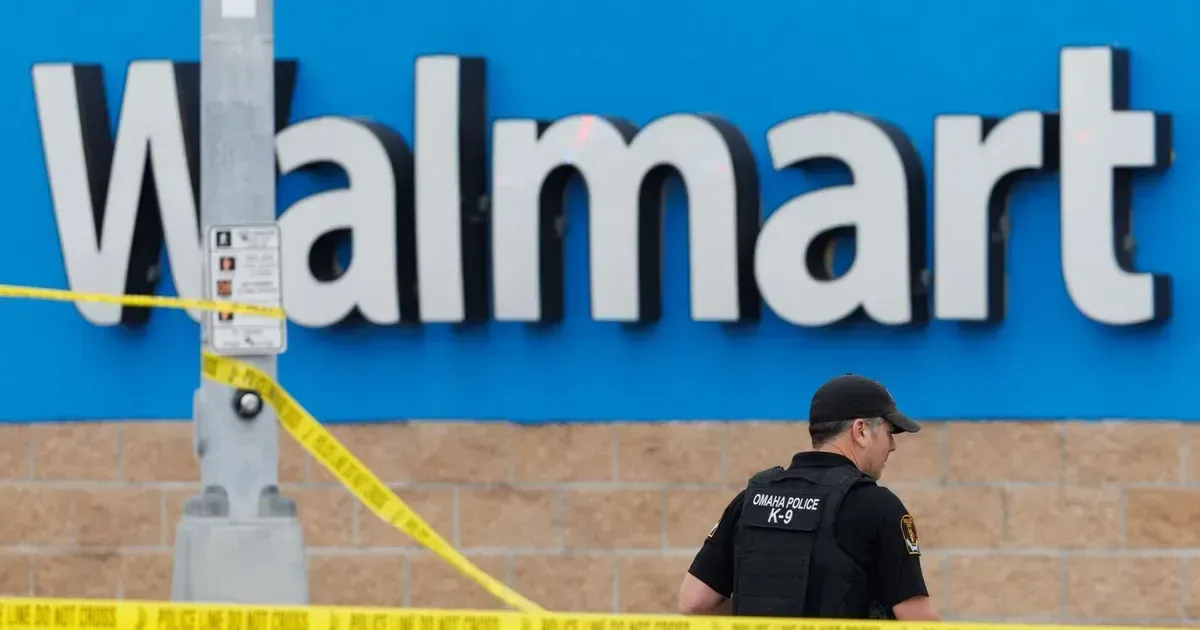
Omaha police fatally shot a woman accused of abducting and cutting a three-year-old boy inside a retail store, ending a violent encounter that unfolded in front of shoppers. The April 15, 2026, account from local authorities described a fast-moving emergency in which officers had only moments to intervene.
Police said the woman took the child from a shopping cart and moved through the store with a knife. Witnesses called emergency services as shoppers tried to get away from the scene. Officers arrived quickly and confronted the suspect while she still had the child close to the blade.
The child survived but suffered injuries that required medical treatment. The suspect died after being shot by police. Investigators are reviewing body-camera footage, witness statements, and the timeline of the response.
Store Attack Turns Into Police Shooting
Incidents involving a child hostage create the most difficult conditions for responding officers. The immediate priority is stopping harm to the victim, but the situation can change in seconds. A suspect holding a knife at close range can injure a child before officers have time to attempt a longer negotiation.
Police accounts said commands were given before the shooting. The critical question for investigators will be whether the suspect's movement created an imminent threat that left officers with no safer option. That review is standard after a fatal police shooting, especially in a crowded public setting.
For shoppers and employees, the scene was traumatic. A routine errand became an emergency involving a child, a weapon, and gunfire. Stores are not designed for that kind of violence, which makes witness response and fast 911 calls especially important.
Review Will Focus on Timing
The investigation will likely examine when officers arrived, what they saw, what commands were issued, and how close the knife was to the child when the shot was fired. Body-camera footage can clarify parts of that sequence, but it will not erase the difficulty of the decision.
The case also raises questions about how public spaces prepare for sudden violence. Retail workers are trained for theft, medical emergencies, and evacuation, but a child abduction inside a store is rare and chaotic. Clear emergency procedures can help employees move customers away while police respond.
The child's recovery will remain the central concern for the community. The legal review will determine whether the shooting followed policy, but the broader impact will be felt by the family, witnesses, officers, and store staff who experienced the attack.
What is already clear is that the encounter moved too quickly for easy answers. Police stopped the immediate threat, but the violence that preceded the shot left a young child injured and a community searching for how such an attack happened in an ordinary public place.
The public release of information will shape that search for answers. Families want to know whether warning signs existed, store employees want to know how to respond if violence begins nearby, and officers will have to explain the split-second judgment that ended the confrontation. None of those questions changes the urgency of protecting the child, but each one matters for public trust after a fatal use of force.
The case will also be difficult for the officers involved. A fatal shooting in defense of a child may appear straightforward to some observers, but policy review still has to examine each step with care. Investigators must separate the emotional force of the scene from the legal standard for deadly force. That process protects the public, the victim's family, and the officers by creating a record of what happened. It can also help other departments train for rare but extreme encounters in crowded stores, where bystanders, aisles, and panic can complicate every movement. Retailers may also revisit emergency plans after the attack. Employees are rarely expected to intervene directly in a violent abduction, but they can help by clearing aisles, guiding shoppers away, locking nearby doors, and preserving surveillance footage. Clear training cannot prevent every crisis, but it can reduce confusion during the minutes before police arrive. In a case involving a child and a knife, those minutes matter. The child's survival is the central fact, but the review still has to identify what can be learned before the next emergency. That includes police tactics, store procedures, and how quickly bystanders can move away without creating more danger. A rare case can still produce useful training if officials study it carefully. Public trust depends on showing that those lessons are acted on. That is how a single case can improve readiness elsewhere. The public will expect a specific review because the setting was an ordinary store and the victim was a child. Showing how investigators reached their conclusions will be part of rebuilding trust for witnesses and the child's family.