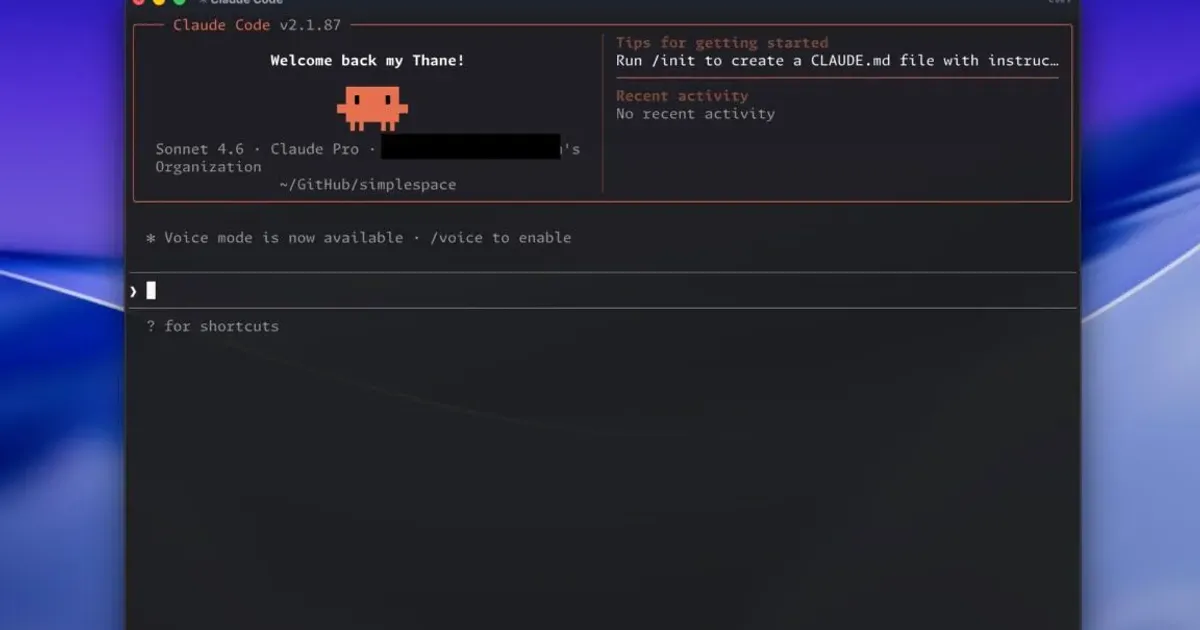
Anthropic engineers inadvertently published the complete internal blueprint for the company command line interface triggering a global scramble to archive the proprietary files. Version 2.1.88 of the Claude Code npm package arrived on the public registry containing a source map file, a technical oversight that allowed external parties to reconstruct the original TypeScript codebase. By March 31, 2026, the source-code leak had spread from a package error into a broader security concern. Intelligence analysts and software developers spent the morning downloading nearly 2,000 distinct files containing more than 512,000 lines of code.
Security researcher Chaofan Shou first identified the vulnerability and shared his findings on the social media platform X. Within minutes of the disclosure, the entire repository appeared on GitHub, where users forked the data tens of thousands of times. While the underlying large language models remain secure on private servers, the logic governing how the interface interacts with those models is now public property. Competitors in the aggressive generative artificial intelligence sector now possess a detailed view of the engineering decisions that powered the recent market gains of Anthropic.
Anatomy of the NPM Publishing Error
Publishing software to the npm registry requires a rigorous build process intended to strip away development artifacts before public consumption. Source map files serve as a bridge between the compressed, minified code that runs in a browser or terminal and the human-readable TypeScript written by engineers. Including these maps in a production release effectively reverses the obfuscation process. Every logic gate, internal comment, and architectural choice becomes visible to anyone with basic command line knowledge.
Technical observers noted that the leak occurred at a moment of intense pressure within the San Francisco headquarters of Anthropic. Rapid deployment cycles intended to maintain a lead over rivals like OpenAI often create friction with security protocols. Engineers failed to include the source map extension in the.npmignore file, which usually prevents sensitive development tools from reaching the public. Error logs suggest the package remained live long enough for automated scraping tools to mirror the content across multiple continents.
"The leak gives competitors and armchair enthusiasts a detailed blueprint for how Claude Code works, a meaningful setback for a company that has seen explosive user growth," reported Ars Technica.
Code review experts suggest that Claude Code is an essential piece of the company ecosystem. Unlike a simple chat window, this tool allows the AI to execute terminal commands, edit local files, and manage complex git workflows. Revealing the specific prompts and safety guardrails hidden within the TypeScript files provides a plan for malicious actors seeking to bypass security restrictions. Software architects are now dissecting the 2,000 leaked files to understand how the system manages state and context during long development sessions.
Technical Specifications of the Claude Code Leak
Software repositories of this magnitude rarely enter the public domain without a deliberate breach. The 512,000 lines of code include sophisticated patterns for handling asynchronous communication between a local machine and the cloud. Detailed documentation within the files explains how the tool handles large-scale refactors and multi-file editing. Developers across the industry are using these files to study the proprietary "thinking" patterns that distinguish Claude Code from open-source alternatives.
Analysts at several cybersecurity firms confirmed that the leaked data contains zero-day vulnerabilities. Because the code is now public, hackers can search for edge cases in the file-handling logic that might allow for remote code execution. Security teams at Anthropic moved to revoke old versions of the package, but the distributed nature of the internet makes total deletion impossible. Mirror sites hosted in jurisdictions beyond the reach of US copyright law continue to host the full archive.
Internal discussions at Anthropic reportedly focus on the damage to their competitive moat. Proprietary software often relies on small, clever optimizations that are difficult to replicate without seeing the underlying logic. Now that the logic for Claude Code is available, the barrier to entry for smaller startups to create a comparable CLI tool has vanished. Every major AI laboratory is likely conducting a line-by-line audit of the Chaofan Shou archive to identify where their own products fall short.
Intellectual Property Risks for Anthropic
Copyright law provides Anthropic some protection against direct commercial use of the leaked files. Legal experts suggest that any company caught using the literal text of the Claude Code repository would face immediate litigation. Using the logic and architecture as a reference for "clean room" implementation is a much more difficult activity to prove in a courtroom. Tech giants have long navigated the gray areas of software patents and trade secrets when rival code enters the public sphere.
Investors reacted with caution as news of the 2.1.88 version error spread through financial circles. The company recently raised billions of dollars based on its reputation for safety and technical excellence. A basic administrative error involving a source map file contradicts the narrative of a disciplined, security-first organization. Market analysts suggest that the impact on future funding rounds will depend on how quickly the leadership can demonstrate that the leak did not compromise user data.
User confidence stays high among the core developer base despite the technical transparency. Many programmers expressed interest in the leaked files specifically to understand the prompt engineering techniques used by Anthropic. This curiosity drives traffic to the GitHub mirrors, further complicating the efforts of the legal team to issue DMCA takedown notices. Efforts to scrub the internet of the 2,000 files have mostly resulted in the Streisand Effect, where the attempt to hide information only increases its visibility.
Security Lesson From the Leak
The leak shows how one publishing mistake can expose proprietary engineering work at internet speed. Once code is mirrored, deletion becomes a containment tactic rather than a full recovery.
For AI companies, the incident is a reminder that developer tooling needs the same release discipline as public products. Internal packages, tokens, build scripts and access controls all become part of the security perimeter.