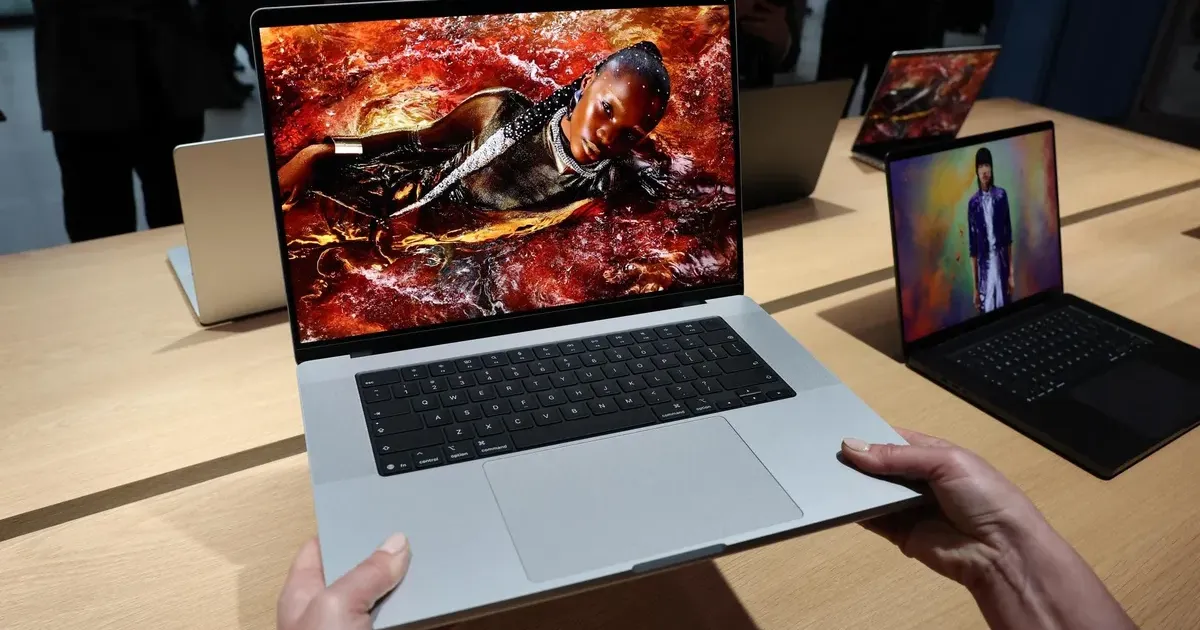
Apple is using MacBook Pro M5 discounts to widen the appeal of its latest professional laptop line. The discount does not turn the MacBook Pro into a budget machine. It does, however, change the calculation for buyers who were waiting for a lower entry point before upgrading. The offer, reported on April 5, 2026, reflects a market where even premium hardware has to answer price pressure from refurbished stock, older Apple silicon and stronger Windows alternatives. A few hundred dollars can matter when configuration costs for memory and storage already push many models well above their base prices. Retail discounts also give Apple a way to defend premium positioning without formally cutting the list price of the MacBook line.
MacBook Pro M5 Discounts Shift the Upgrade Math
The M5 generation is aimed at users who need performance for video, development, design and AI-assisted workflows. Those buyers care about speed, battery life and display quality, but they also compare total system cost. A lower advertised price helps Apple keep more of those shoppers inside its ecosystem. The offer also sits alongside Apple's refurbished and trade-in channels. For some buyers, a discounted current-generation model is more attractive than a refurbished M4 or a heavily upgraded older machine. For others, the sale simply gives them leverage to wait for the next hardware cycle.
"Apple confirms its impressive MacBook Pro offer," Forbes reported while detailing the discount.
Premium Laptop Competition Gets Tighter
Apple no longer faces only traditional x86 Windows laptops. ARM-based Windows systems have improved battery life and performance, giving business users and students more credible alternatives. That competition makes price discipline more important, even for a brand with strong loyalty. Component costs also shape the offer. If Apple has secured better supply terms for displays, memory or advanced silicon packaging, it can use discounts without sacrificing the broader premium positioning of the MacBook line. The company rarely frames such moves as price cuts; it usually presents them as offers, credits or limited savings.
Retail timing matters as well. Discounts can move inventory ahead of later-year refreshes, help resellers hit volume targets and keep customers from drifting toward competing devices during seasonal shopping windows. A sale price can also pull hesitant shoppers into the store, where accessories, AppleCare and configuration upgrades raise the overall transaction.
The discount protects Apple against a slower replacement cycle. Many users are holding laptops longer because Apple silicon machines remain capable for years. A visible offer gives those buyers a reason to move now instead of waiting for another generation or choosing a cheaper Windows machine.
What Buyers Should Weigh
The key question is whether the discount applies to the configuration a buyer actually needs. Base models can look attractive, but professional workloads often require more memory or storage. Once those upgrades are added, the savings may be smaller relative to the final price.
For users on older Intel Macs, the M5 offer may be a worthwhile upgrade point. For users already on M3 or M4 systems, the case is less automatic unless their work depends on sustained performance gains. The best value may come from matching the machine to the workload rather than chasing the newest chip.
Business buyers should compare support windows and deployment needs. A cheaper machine is less useful if it lacks the memory needed for the next several years of software updates and AI-heavy workflows. The strongest purchase case is therefore not the lowest sticker price, but the configuration that avoids an early replacement.
For Apple, the sale is not just about clearing units. It is about keeping professional users attached to macOS, iCloud, Final Cut, Logic, Xcode and the broader services ecosystem. Once a buyer leaves that stack, winning them back can be harder than discounting a laptop today.
Apple's pricing signal is still important. It suggests the premium laptop market is becoming more elastic, with even high-end buyers expecting visible offers. That is a change from the era when MacBook Pro demand could rely almost entirely on brand and performance momentum.
The timing also gives Apple flexibility. If demand is soft, the company can defend volume without formally resetting the brand's premium ladder. If demand is healthy, the offer can be framed as a short-term buying window that brings hesitant customers forward. For buyers, that means the real comparison is not only M5 versus older chips, but new discounted hardware versus refurbished machines, employer refresh cycles and the longer useful life of Apple silicon laptops. A modest discount therefore carries more strategic weight than the number alone suggests. It keeps professional users comparing Apple against Apple, rather than treating the premium Windows market as the only realistic alternative.
The discount also changes how buyers compare timing. Someone who planned to wait for a future refresh now has to weigh immediate savings against uncertain next-generation gains. That is exactly the kind of hesitation Apple wants to convert before shoppers drift toward refurbished models or rival laptops. Retail discounts may also protect upgrade demand during slower cycles.