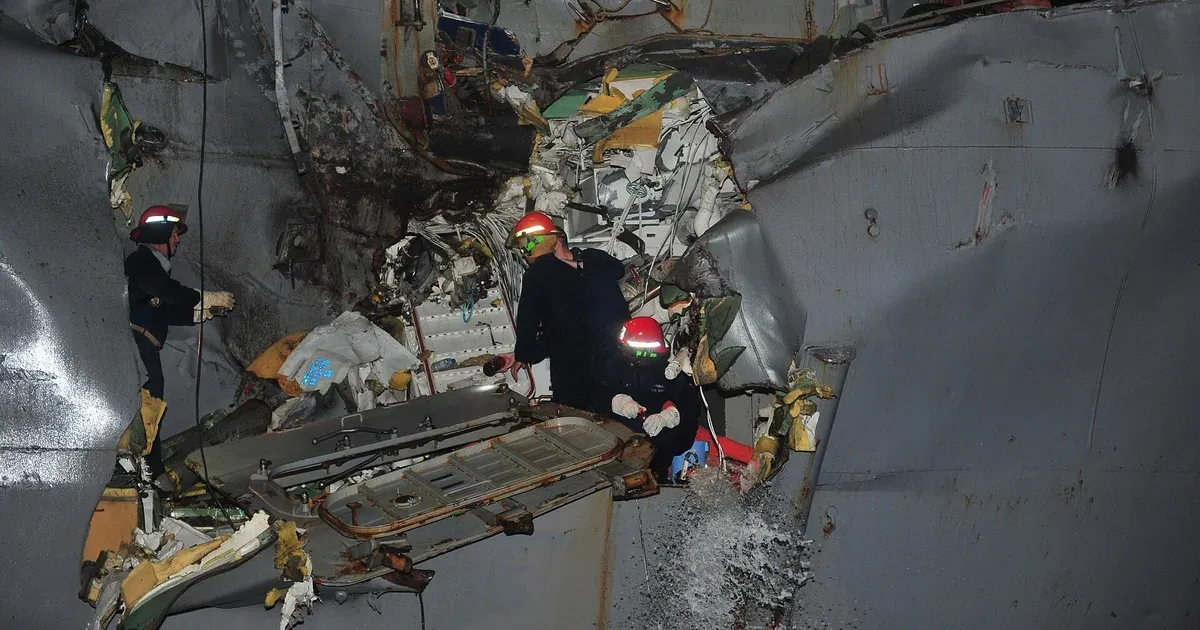
Iran's attacks on Gulf energy and water facilities turned a regional military crisis into a direct test of oil diplomacy and infrastructure resilience. Markets were already primed for a supply shock. The salvos on April 5, 2026, reportedly hit assets in the UAE, Bahrain and Kuwait. The business impact reaches beyond damaged pipes or power equipment. Energy markets depend on confidence that supply routes, loading terminals, desalination systems and diplomatic channels can keep functioning under pressure. The infrastructure focus also widens the crisis because energy markets respond to repair timelines as much as to battlefield claims. Insurers, shippers and refiners are watching the same facilities because a single damaged node can change freight pricing across several connected markets.
Energy Infrastructure Becomes the Target
Gulf infrastructure is interconnected by design. Power, water, ports and fuel logistics all support each other, so damage in one area can slow the whole system. Attacks on desalination and energy sites therefore matter even when crude supply is not fully shut down. They affect labor, shipping, emergency services and the ability of governments to reassure markets.
Energy delegates described planned OPEC+ quota increases as a stability signal rather than an immediate fix for damaged infrastructure.
OPEC+ Signals May Not Be Enough
Production announcements can calm traders for a day, but they cannot instantly replace physical capacity if terminals, pipelines or power systems are disrupted. Spare capacity also depends on where barrels are located and whether ships can move safely. The dismantling of specialized U.S. energy-diplomacy capacity has become part of the criticism around the response. In a crisis that blends geopolitics and supply chains, governments need detailed intelligence about flows, bottlenecks and market psychology. Without that expertise, policy can become reactive. Statements about stability may arrive faster than practical plans for routing, repair and coordination.
Old Bypass Ideas Return
Political figures have revived extreme ideas for bypassing the Strait of Hormuz, including nuclear-era canal concepts. Their return says more about anxiety than engineering reality. The practical answer is less dramatic: protect existing infrastructure, diversify routes where feasible, coordinate emergency stocks and keep diplomatic channels open before oil prices force decisions. The Gulf energy shock is a reminder that markets trade not only barrels but confidence. Once infrastructure itself becomes the battlefield, confidence becomes harder to rebuild. Companies operating in the Gulf now have to update continuity plans. That includes backup power, staff movement, water supplies, tanker scheduling and the ability to communicate with customers if ports or industrial zones are disrupted. The financial market reaction can become self-reinforcing. Higher insurance and freight costs raise delivered energy prices, which then feed inflation expectations and pressure central banks in importing countries. OPEC+ faces a credibility test because quota language is easier than physical delivery. If members announce more supply but infrastructure or shipping routes cannot carry it, traders will discount the headline quickly. The crisis also highlights a gap between political rhetoric and engineering reality. Grand bypass proposals may sound decisive, but energy security usually improves through less dramatic work: redundancy, storage, maintenance and diplomacy. For Gulf governments, the message is uncomfortable. Wealth can build world-class infrastructure, but concentrated systems remain vulnerable if adversaries decide that civilian-linked assets are part of the pressure campaign. The business risk is therefore broader than oil price volatility. The crisis raises the cost of operating, insuring, financing and planning across the region.
Energy companies will also study workforce exposure. Engineers, port workers, tanker crews and contractors all become harder to deploy when missiles or drones are hitting nearby infrastructure. Even if production capacity exists on paper, the people needed to operate and repair it may face movement restrictions, insurance complications or evacuation orders. That can turn a localized strike into a broader operational slowdown.
For importers, the risk is not only price but timing. Refineries and utilities plan around delivery windows, and sudden delays can force them into spot markets at unfavorable prices. Governments may release strategic stocks, but those reserves are designed to buy time, not replace a functioning regional system. The lesson from the Gulf attacks is that energy security depends on mundane details: spare parts, shipping slots, water systems, power redundancy and diplomatic channels that remain open under stress.
The private sector response will be measured in contracts as much as headlines. Shipping firms may rewrite risk clauses, lenders may demand higher premiums for regional projects and industrial operators may carry more inventory than they would in calmer periods. Those choices raise costs even before another strike occurs.
That cost creep can linger after the missiles stop. Once firms price in regional fragility, they rarely remove the premium quickly.
That premium can influence decisions far from the Gulf. Airlines, chemical producers, refiners and utilities all watch regional risk because fuel and feedstock costs move through supply chains quickly. A local infrastructure crisis can therefore become a global margin problem.
Planning remains exposed until regional conditions calm. The infrastructure risk is especially sensitive because Gulf energy systems depend on ports, storage tanks, pipelines, and power links working together. A strike that misses production capacity can still slow exports if loading, insurance, or shipping crews become harder to coordinate. That coordination risk can widen quickly during regional escalation. For buyers, that uncertainty often appears first in freight terms, premiums, and delivery windows.