Apple executives coordinated with major wireless carriers on March 22, 2026, to finalize retail incentives for the upcoming iPhone 17 hardware cycle. This rollout includes specialized promotional tiers designed to capture the midrange market while maintaining premium brand positioning. Retailers in the United States and United Kingdom are preparing for a surge in trade-in volume as the company shifts its silicon architecture to the next generation of consumer chips.
T-Mobile revealed a tiered promotion system this morning that effectively removes the entry price for the iPhone 17e. Customers who subscribe to the Experience More plan receive the base model without an initial hardware charge, provided they maintain the service for a two-year period. Different rules apply to the iPhone 17 Pro, which requires a qualifying device trade-in and a subscription to the Experience Beyond service tier to reach a zero-dollar price point.
Separately, internal documents from the carrier indicate that these deals include mandatory administrative costs. Consumers remain responsible for state and local sales taxes on the full retail value of the phone at the time of purchase. Each new activation also carries a $35 device connection fee for each activated line.
In fact, the technical specifications for the iPhone 17e confirm a major upgrade in processing power for the budget-conscious segment. Integration of the A19 chip into the 17e model marks a departure from previous years where entry-level devices utilized year-old silicon. Engineers at the Cupertino campus focused on improving this 3-nanometer processor for artificial intelligence tasks and power efficiency.
For instance, the A19 architecture includes an expanded neural engine capable of handling local large language models without relying on cloud infrastructure. This hardware capability places the iPhone 17e in direct competition with the latest flagship devices from Google and Samsung. Early performance benchmarks suggest the 17e provides a 15% increase in single-core speeds compared to the iPhone 16.
Yet, the competitive landscape in the midrange market is tightening as rival manufacturers release specialized hardware. Google is preparing the Pixel 10a with a heavy emphasis on photography software, while Samsung recently debuted the Galaxy A56 with a high-refresh-rate OLED display. Analysts at ZDNet note that while Apple wins on raw processing power, the Samsung Galaxy A56 maintains a lead in battery longevity and charging speeds.
Carrier data suggests these aggressive pricing structures aim to lock in long-term subscribers before the 2027 hardware refresh.
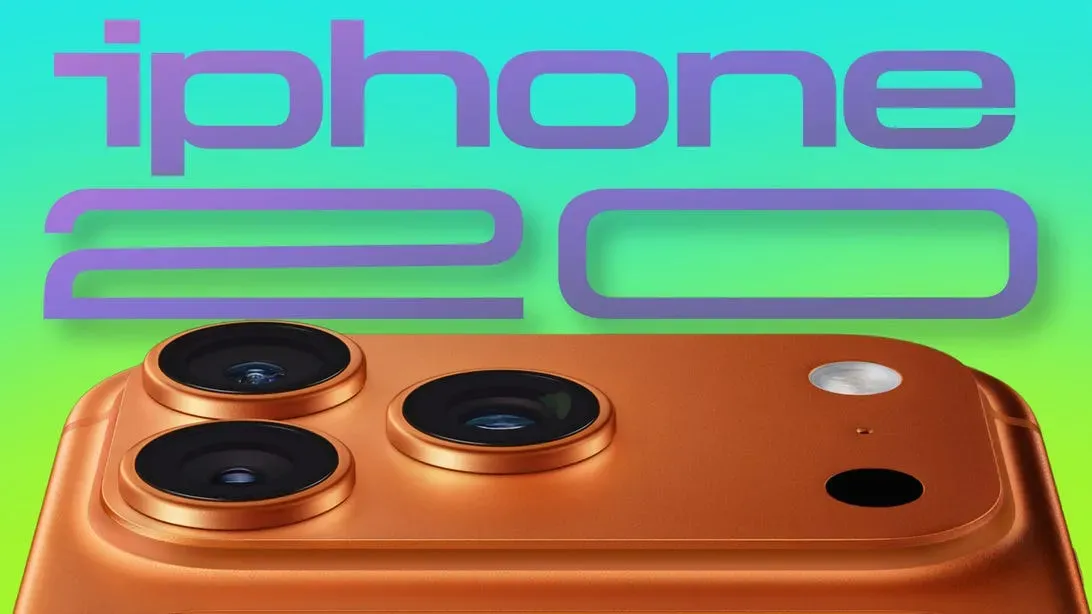
Still, the most significant developments involve Apple’s plans for the following calendar year. Industry leaks obtained by CNET point toward a radical redesign to commemorate the twentieth anniversary of the original smartphone launch. This project, internally referred to as the iPhone 20, seeks to eliminate all physical inputs in favor of a smooth aesthetic. Preliminary sketches show a chassis constructed entirely from reinforced glass with no visible seams or ports.
According to supply chain observers in Taiwan, the iPhone 20 will rely exclusively on inductive charging and high-speed wireless data transfer. Capacitive touch surfaces and haptic feedback motors will replace the volume and power buttons currently found on the iPhone 17 series. The design choice aligns with a long-term vision to create a device that resembles a single slab of interactive glass.
In turn, the challenge for engineers lies in maintaining structural integrity without the traditional metal frame. Specialized adhesive techniques and chemically strengthened glass variants are currently undergoing stress testing at Apple’s testing facilities. Failure rates for early prototypes remain a closely guarded secret among the manufacturing partners in the region.
By contrast, the iPhone 17 series retains the familiar titanium and aluminum frames used in recent years. The conservative approach ensures high yield rates and durability while the more experimental glass technologies reach maturity. Market analysts expect the iPhone 17 to serve as the volume leader for the next eighteen months.
To that end, the 17e model is the primary bridge for users transitioning from legacy devices that lack modern AI capabilities. Older models using the A15 and A16 chips struggle with the latest operating system features that require dedicated neural hardware. Apple’s decision to standardize the A19 across the entire 17 lineup addresses this fragmentation in the user base.
Even so, the cost of manufacturing these advanced chips continues to rise. External estimates suggest the bill of materials for the iPhone 17e is nearly 12% higher than its predecessor. The margin pressure is likely the reason T-Mobile and other carriers are pushing higher-priced service plans to offset the subsidy costs.
Apple is betting that a button-less, all-glass future will redefine the smartphone category just as the original device did in 2007.
But the transition to an all-glass design raises concerns about repairability and accidental damage. Current glass-back designs are notoriously expensive to fix without comprehensive insurance coverage. A device with no metal frame would likely require a total replacement of the chassis if the exterior surface suffers a major impact.
Meanwhile, the integration of under-display camera technology is still a hurdle for the iPhone 20 project. Engineers are working to eliminate the dynamic island cutout to achieve a truly edge-to-edge viewing experience. Success in this area depends on improving light transmission through the active pixels of the OLED panel.
So, the immediate focus remains on the iPhone 17 retail launch and the aggressive carrier promotions designed to stimulate upgrades. Retail stores are being briefed on the new A19 features to explain the value proposition to customers currently using three-year-old hardware. Early preorder numbers will provide the first indication of consumer appetite for these subsidized hardware deals.
Google continues to emphasize software integration as its primary competitive edge in the midrange segment.
And the persistent rumors regarding a delayed iPhone Fold suggest that Apple is focusing on the anniversary redesign over a foldable form factor. Moving the folding project to a later date allows the industrial design team to focus all resources on the glass-slab concept. The strategic prioritization highlights the company's belief that the future of mobile computing is smooth rather than flexible.
Carrier Strategies for iPhone 17 Distribution
Wireless providers are using the iPhone 17 launch to migrate customers into premium data tiers. T-Mobile's Experience Beyond and Experience More plans include expanded international roaming and high-speed hotspot allowances that justify the hardware subsidies. These contracts ensure that the carrier recoups the cost of the free devices through recurring monthly service revenue over twenty-four months.
iPhone 17e Performance Versus Android Rivals
Technical comparisons between the iPhone 17e, Pixel 10a, and Galaxy A56 show a fragmented market. Apple maintains a performance lead with the A19 chip, but Google’s Tensor G5 provides superior real-time translation and photo editing features. Samsung’s hardware remains the choice for users who focus on display brightness and expandable storage options that are absent from the Apple ecosystem.
The iPhone 20 Anniversary Redesign Leaks
Design documents for the 2027 anniversary model indicate a total departure from traditional smartphone construction. The removal of the charging port and physical buttons marks the end of a design era that began with the iPhone X. Investors are monitoring the supply chain for increased orders of high-grade sapphire glass and haptic actuators capable of simulating physical clicks.
The Elite Tribune Perspective
Skepticism regarding Apple’s pursuit of a button-less chassis is not only justified but necessary. The tech giant has spent a decade training consumers to rely on tactile feedback, from the satisfying click of a power button to the physical slide of a mute switch. Forcing a transition to a smooth glass slab is a transparent attempt to commoditize luxury through planned obsolescence and high repair costs. While the marketing department will undoubtedly frame this as a futuristic evolution, it is actually a move toward a proprietary hardware ecosystem where the user is locked out of their own device.
An all-glass phone is a fragile vanity project that ignores the practical realities of daily use in favor of a minimalist aesthetic that benefits the manufacturer's bottom line. If the iPhone 20 cannot survive a drop on a sidewalk without becoming a pile of expensive shards, no amount of haptic trickery will save it from being a failure. The industry should stop applauding the removal of functional features under the guise of progress. Consumers deserve hardware that survives the real world, not a fragile monument to a design team's ego.