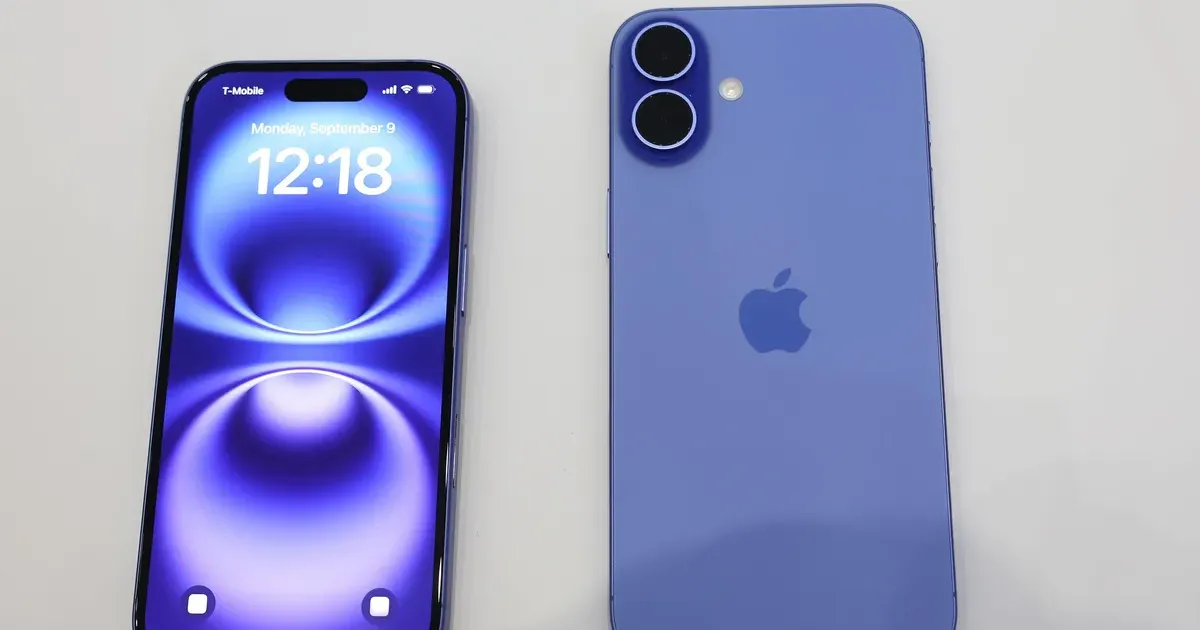
Apple engineers deployed a critical software patch to neutralize a specific risk targeting millions of active devices. Security teams within Apple began pushing the update to users still operating on older hardware configurations. Public records indicate that this release, designated as iOS 18.7.7, arrived unexpectedly for those who had not yet migrated to the latest flagship software. Vulnerabilities identified in the legacy kernel required an immediate response from the Cupertino development headquarters. Documentation from internal advisories suggests the update prioritizes data integrity over feature enhancements.
Technical analysts observed the rollout across North American and European markets within minutes of the official server activation.
Digital defense experts categorize the move as a major maintenance effort for a hardware ecosystem that usually faces forced obsolescence. Many users currently debate whether to maintain their current installations or leapfrog to the highly publicized iOS 26 ecosystem. Forbes contributors noted that the choice remains difficult for owners of older iPhone models who fear performance degradation. System stability often fluctuates when legacy hardware attempts to process modern security protocols. Reports indicate the patch specifically addresses a flaw that could allow unauthorized access to encrypted memory sectors.
Apple Addresses Specific Risks in Legacy Operating Systems
Legacy software maintenance creates a unique set of challenges for global technology firms attempting to secure a fragmented user base. Engineers must balance the necessity of patching critical holes with the reality of limited processing power in older chipsets. The complexity of the iOS 18.7.7 code reflects a close look at historical architectural decisions made nearly a decade ago. While newer devices enjoy the strong defenses of modern silicon, older units rely on the surgical software interventions to stay viable. Security researchers discovered the specific threat vector late last month, prompting an accelerated development cycle.
Silicon Valley observers point out that maintaining support for older versions helps preserve brand loyalty among long-term customers. Protecting the user experience requires more than adding new emojis or interface tweaks. Financial disclosures suggest Apple spends billions annually on software reliability and security engineering for discontinued hardware. The investment serves to prevent large-scale data breaches that could tarnish the reputation of the entire product line. Reliability metrics for the current patch show a high success rate in initial testing phases across diverse carrier networks.
As promised, Apple has released a new iPhone update aimed at protecting users against a specific risk.
Industry analysts at Reuters previously suggested that the window for supporting the 18-series software was closing. Deployment of this emergency fix suggests otherwise, indicating a commitment to the hundreds of millions of users who avoid the annual upgrade cycle. Cybersecurity insurance providers often require the updates to be installed within 72 hours of release to maintain coverage for corporate fleets. Failure to apply the patch leaves devices exposed to known exploits currently circulating in underground forums. Apple maintains a silent stance on the exact origins of the vulnerability to prevent further exploitation during the transition period.
Security Engineering Challenges for Older iPhone Models
Hardware limitations often dictate the scope of security improvements possible in a software-only update. Older processors lack the hardware-level memory protection found in the latest A-series chips. Software developers must write clever workarounds to simulate modern security environments on ancient logic boards. The release of iOS 18.7.7 demonstrates the limits of the simulations. Performance benchmarks show a slight increase in boot times for devices running the new patch, though battery health remains stable. Critics of the update process suggest the patches are a temporary bandage on a larger problem of aging infrastructure.
Global telecommunications providers began notifying enterprise customers of the update availability shortly after the Forbes report surfaced. Managed service providers oversee thousands of handsets that still use the 18.x software branch for specialized industrial applications. The professional environments prioritize uptime and stability over the flashy features found in the current consumer-grade operating systems. Testing cycles for enterprise deployments usually take longer, yet the emergency nature of the fix has shortened the standard validation window. Security auditors have cleared the patch for use in high-security government and financial sectors.
The cost of software maintenance continues to climb as the number of active legacy devices grows.
Emergency Deployment Strategies for Global iPhone Users
Consumer advocacy groups recommend that all eligible users install the update immediately to reduce the described risks. Delaying a security patch often results in increased susceptibility to automated phishing and malware campaigns. Cybercriminals frequently reverse-engineer the patches to find the very holes the update is designed to fill. By analyzing the differences between iOS 18.7.6 and 18.7.7, hackers can identify the exact memory address that was vulnerable. The race between defenders and attackers defines the modern cybersecurity landscape. Most devices are set to update automatically overnight, provided they are connected to power and Wi-Fi.
Users who have already transitioned to the latest operating system are not affected by the specific vulnerability. Transitioning to a new primary version of the OS involves a different risk profile and a longer installation time. While the emergency update is small in size, it carries significant implications for the long-term safety of personal data. Apple provides detailed instructions on its support pages for users who encounter errors during the installation process. Historical data shows that less than 1% of users experience serious issues during the minor point-release updates.
iPhone Update Turns Security Into Daily Maintenance
The sudden arrival of a patch for an aging operating system reveals a desperate struggle within the halls of Apple to maintain the facade of absolute security. Corporate executives frequently tout their closed ecosystem as an impenetrable fortress, but the reality is a crumbling structure held together by emergency bandages. Releasing 18.7.7 when the world has moved on to higher iterations proves that the legacy code is riddled with ghosts. These ghosts do not simply vanish; they haunt the servers and the devices of those who cannot or will not pay the entry fee for the newest hardware. It is a cynical cycle of patch-and-pray that benefits the marketing department more than the actual consumer.
Cupertino is playing a dangerous game with user trust by being vague about the specific risks involved in this release. Transparency is the only valuable currency in a post-privacy world, yet this company chooses to hide behind nondescript advisories. They hope you will focus on the security fix and ignore that your device is effectively a ticking time bomb of unpatchable hardware flaws. The update is not a gift of longevity. It is a tactical move to prevent a PR disaster that would derail the narrative of their current flagship products. Stop believing the myth of the benevolent tech giant.