The Morocco recovery shifted the mission from a pure search to a casualty and family-notification process. Commanders still have to protect the second search while explaining what has been confirmed. The shoreline location gives investigators a new factual anchor. The operation remains active because one soldier is still missing. On May 9, 2026, the Army said 1st Lt. Kendrick Lamont Key Jr. had been recovered off Morocco. The U.S. Army identified one of two missing soldiers after his remains were recovered off Morocco's Atlantic coast. The soldier was 1st Lt. Kendrick Lamont Key Jr., a 27-year-old 14A Air Defense Artillery officer, according to U.S. Army Europe and Africa. The recovery gives commanders one confirmed location while leaving the second family in uncertainty.
The Army said a Moroccan military search team found Key in the water along the shoreline at about 8:55 a.m. local time on May 9, 2026. The recovery site was within roughly one mile of where both soldiers were reported to have entered the ocean near the Cap Draa training area. The Army announced the recovery on Sunday and said the search for the second soldier was continuing. Officials have not described the recovery as a closure for the wider mission, because the second soldier remains unaccounted for and the circumstances are still under review.
A second U.S. soldier remains missing. Search teams have not announced a pause or reduction in the operation, and the Army has not set a public end date for the mission.
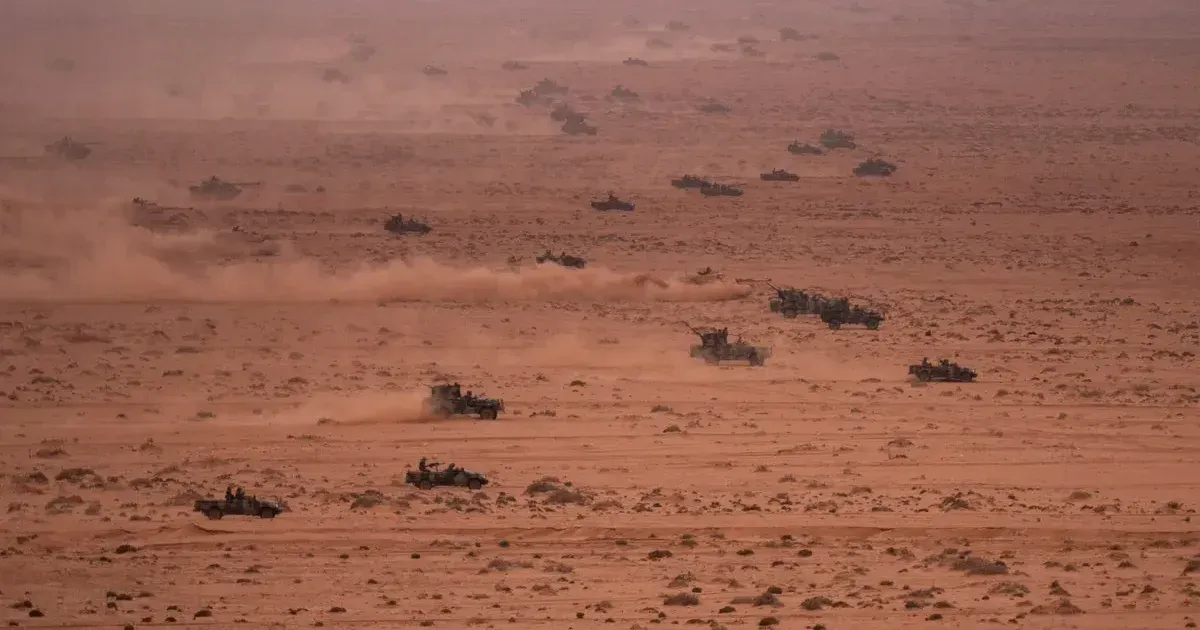
The two soldiers were reported missing on May 2 after participating in African Lion, the annual multinational exercise held in Morocco. A U.S. defense official previously told the Associated Press that the soldiers were not actively taking part in training when they disappeared and were believed to have been on a recreational hike after the day's exercises had ended. That distinction matters because the incident is being investigated as an off-duty disappearance near an exercise area, not as a confirmed training maneuver gone wrong. It also affects what the Army can say publicly while search teams, investigators and family-notification channels continue their work.
The first recovery gives the search a clearer reference point, but it does not make the remaining mission simple.
Search Shifts After First Recovery
The recovery gives the search teams one confirmed location, but it does not end the operation. U.S., Moroccan and partner forces have been searching coastal and open-ocean areas near Tan-Tan, using divers, aircraft, maritime crews and ground teams along rugged shoreline. Earlier in the search, officials described an effort involving more than 600 personnel from multiple countries.
Those teams have covered underwater caves, rocky shorelines and open water along the Atlantic coast. The terrain has made the work difficult because cliffs, currents and visibility can change the practical search area from hour to hour. Earlier reports said the search covered more than 45 square kilometers of coastal and open-ocean area. The Moroccan Navy released images earlier in the operation showing divers and aircraft involved in the search.
Army officials said the focus remains on finding the second missing soldier and supporting the families involved. The service has said the incident remains under investigation, and it has not released the second soldier's name.
The search has also required coordination between military units that were already in Morocco for African Lion and local forces familiar with the coastline. That matters because the incident happened near cliffs and water, where a shift in tide or visibility can change which areas are reachable by divers, boats or ground teams. Search officials have therefore treated the recovery of one soldier as a lead, not as proof that the remaining search area has narrowed enough to end the operation.
What the Army Has Confirmed
The Army has confirmed Key's identity, the approximate recovery time and the location near Cap Draa. It has also confirmed that the search continues, but it has not issued a final account of how both soldiers entered the water or whether the recovery of Key provides new information about the second soldier's likely location.
African Lion is one of the largest annual U.S.-Africa military exercises, and Morocco is a regular host. The confirmed recovery now turns the operation into both a casualty process and an ongoing search, with commanders balancing public information, family notification and the practical demands of the coastal mission. The case also highlights the risks that can surround large overseas deployments even when troops are away from formal training activity. Until the second soldier is found or the Army releases more details, the central facts remain limited: one soldier has been recovered and identified, one remains missing, and the investigation is still open. That limited record is why the final Army account will matter for both the family process and future safety guidance around overseas exercises.