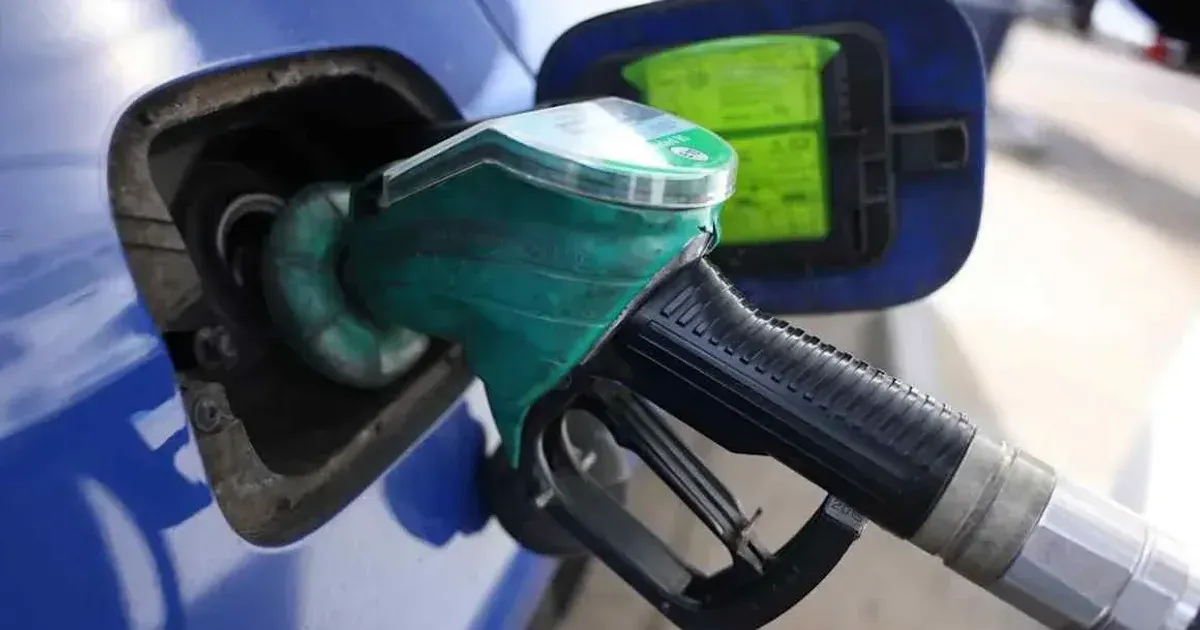
Asda chairman Allan Leighton pushed back against claims that supermarkets were using higher fuel prices to widen margins at the pump. The dispute was reported on March 27, 2026, as UK petrol prices moved above 150p per litre before the Easter travel period.
The argument sits between two forces that are easy to confuse: global oil and currency pressure on wholesale costs, and the separate question of whether retailers pass savings to drivers quickly when those costs fall.
Fuel Prices and Easter Travel
Rising pump prices are especially sensitive before a holiday weekend because families see the increase immediately. A standard car fill-up becomes more expensive at the same time that millions of drivers are planning longer journeys. That makes fuel one of the most visible parts of the cost-of-living debate.
Retailers point to crude prices, refining costs, distribution and the pound-dollar exchange rate. Drivers tend to judge the issue more simply: prices rise quickly and seem to fall slowly. Both views can contain truth, which is why the debate rarely settles with one public statement.
Reeves and Retailer Margins
Chancellor Rachel Reeves raised pressure on supermarkets by suggesting that motorists deserved clearer evidence that retailers were not profiting unfairly from the spike. Leighton rejected that framing and argued that Asda was not using the moment to exploit customers.
The stronger policy question is transparency. If supermarkets can show wholesale costs, delivery costs and margin movement in a way regulators and consumers can understand, the accusation loses force. If the data remains opaque, suspicion grows even when some price increases are justified.
Competition officials have already examined supermarket fuel pricing in recent years, and that history shapes how the public reads the latest rise. Retailers are no longer given the benefit of the doubt automatically.
Oil-market pressure linked to conflict in the Middle East made the timing worse for both drivers and retailers. When crude prices climb, supermarket chains have less room to hold pump prices down without accepting lower margins. The difficulty is that consumers cannot easily tell where the wholesale shock ends and retailer choice begins.
Independent petrol stations face their own squeeze. They may have less bargaining power than supermarkets and can be hit harder by rapid wholesale changes. A debate focused only on the largest chains can miss how uneven the market is across towns, motorways and rural areas.
The supermarket fuel market is also unusual because retailers use petrol stations to support broader store traffic. A driver who stops for fuel may also buy groceries, coffee or other items. That makes the true value of pump pricing harder to judge from fuel margins alone.
Reeves' intervention therefore places pressure on both pricing and communication. If retailers say margins are tight, they need to show enough data to make that claim credible. If ministers accuse chains of gouging, they need to explain how much of the pump price they believe is unjustified rather than simply unpopular.
Drivers have little patience for that distinction when household budgets are already stretched. A few pence per litre can matter for commuters, delivery workers and rural families who cannot easily switch to public transport. That is why supermarket fuel pricing becomes a political story so quickly. Regulators may also look at timing. A market can appear competitive on average while still passing cost increases through faster than cost declines. That lag is often where consumer suspicion concentrates, especially after a visible oil spike. The Easter timing gives the issue more political force because travel is concentrated and predictable. Drivers who might absorb a gradual increase during ordinary weeks notice a sharp rise when they are planning family visits or school-holiday trips. That visibility turns a market movement into a test of whether ministers and retailers understand household pressure. Asda and other chains also compete on reputation, not only price. If shoppers believe a supermarket is fair on fuel, that can support loyalty inside the store. If they believe pump prices are opportunistic, the damage can spread beyond the forecourt. That reputation question is why the argument will not end with one price print. Motorists will compare how quickly different chains move over several weeks.
For Asda, the argument is partly reputational. Fuel prices are one of the most visible costs shoppers compare, so even a narrow margin dispute can quickly become a broader test of whether supermarkets are sharing savings fairly.
Pump Price Trust Test
The practical test will be whether prices ease if wholesale costs fall. If pump prices stay high after the market cools, pressure for intervention will increase. If supermarkets cut quickly, Leighton's defense will look stronger. For now, the dispute is a warning about trust. Fuel is a product people buy under necessity, not choice. When prices jump before a holiday, even a defensible increase can feel like opportunism unless retailers explain the numbers clearly. That is why this story is less about one exchange between a chairman and a chancellor than about how much evidence consumers need before they believe the pump price is fair.