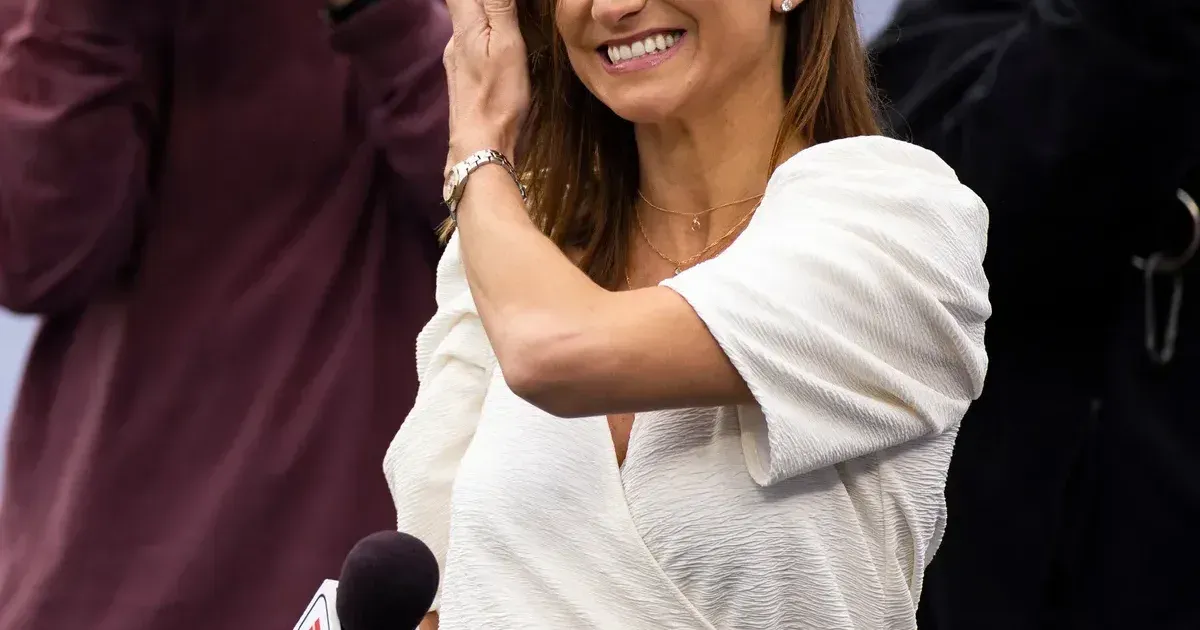
Executives at The Athletic initiated an internal inquiry into the professional conduct of senior reporter Dianna Russini. The images, published by the New York Post, sparked debate over the boundary between sports journalism and the people being covered. Scrutiny intensified on April 11, 2026, after photographs surfaced showing Russini in a social setting with Mike Vrabel, the head coach of the New England Patriots. NFL reporters often work inside tight circles of coaches and executives, but the photos prompted immediate attention inside the publication.
Journalistic integrity remains the foundation of the subscription-based business model pioneered by the news organization. Ownership by the New York Times Company, an entity valued at over $1 billion, ensures that the editorial staff adheres to a strict code of ethics designed to prevent even the appearance of a conflict of interest. Internal documents suggest that any personal relationship that might bias a reporter's coverage or grant them unfair access is subject to disclosure and potential disciplinary action. Managers at the site confirmed that a formal review process began as soon as the tabloid images reached their desks.
Journalistic Integrity Standards at The Athletic
Editorial policies at the publication are more stringent than those found in traditional broadcast media. While television personalities often lean into their personal brands and celebrity status, writers at the digital outlet are expected to maintain a degree of distance from the teams they cover. High-profile breaking news roles require a delicate balance of deep access and clinical detachment. Russini was hired in 2023 specifically to strengthen the site's NFL coverage, bringing a reputation for speed and accuracy that rivaled industry giants at ESPN. This reputation is now under a microscope as investigators look for evidence that her proximity to the New England coaching staff influenced any specific reporting threads.
“The Athletic's editorial standards are rigorous, and we expect our staff to maintain the highest levels of objectivity,” an unnamed spokesperson for the publication said.
Professional Trajectory of Dianna Russini and Mike Vrabel
Vrabel possesses a similarly high-profile resume in the professional football landscape. A former linebacker who won three Super Bowl rings as a player, he transitioned into coaching with significant success. After a stint as the head coach of the Tennessee Titans, he joined the New England organization to lead a rebuilding phase for the historic franchise. His relationship with the media has historically been transactional and professional. Photography captured by the New York Post suggests a level of familiarity that goes beyond the standard coach-reporter dynamic seen at press conferences or training camp interviews. The coach has not issued a statement regarding the investigation.
Ethical Implications of Reporter and Source Proximity
Access journalism is a term often used to describe the trade-off between proximity and critical distance. Reporters need to spend time with coaches to understand the details of a defensive scheme or the internal politics of a locker room. Without these relationships, the depth of reporting would suffer. By contrast, when the relationship becomes personal, the reporter may lose the ability to report on negative developments. If a coach is failing, a reporter who is a personal friend may feel pressured to soften the blow or ignore the story entirely. This dynamic is what the internal review at the newsroom aims to address.
Standards and practices departments exist specifically to navigate these gray areas. Several former editors from major sports outlets have noted that the lines are increasingly blurred in the age of social media and personal branding. Reporters are now influencers in their own right, with large followings that demand behind-the-scenes content. The pressure to provide this content can lead to a culture of over-familiarity. Documents provided to staff during orientation at the company explicitly warn against accepting gifts or engaging in social outings that are not strictly work-related. Images in question show a setting that appears to be a private dinner instead of a professional meeting. That tabloid exposure turned a private access question into a public accountability test.
Market reaction to the news has been swift among the journalism community. Many peer organizations are using the incident as a case study for their own ethics training. The Athletic has built its brand on being the gold standard for sports writing, and any crack in that foundation could have long-term consequences for its subscriber base. Maintaining trust is essential when asking readers to pay for content that is available for free elsewhere. The investigation is expected to conclude within the next two weeks. Results of the inquiry will likely determine whether Russini continues in her current role or faces a significant change in her duties.
Source Access and Reader Trust
Newsroom ethics policies often function more as reputation insurance than as moral compasses for active reporters. The reality of modern sports journalism is that it requires a level of social integration that would make a traditional political reporter blush. The record confirms a clash between the legacy standards of The New York Times and the gritty, relationship-based reality of the NFL insider economy. For years, the industry has ignored the open secret that reporters and coaches share meals, drinks, and confidences in the dark corners of hotel bars and steakhouses. To suddenly feign shock when a camera catches what everyone already knew is a performative act of corporate self-preservation.
The Athletic finds itself in an unstable position where it must appease the high-minded sensibilities of its parent company while maintaining the access required to win the daily scoop war. If they punish Russini, they risk losing a premier talent to a competitor with looser standards. If they do nothing, they compromise the integrity of the Times brand. This is the inevitable result of trying to apply gray-lady ethics to a league that runs on gossip and locker-room loyalty. Professional sports is an entertainment product, and the reporters are part of the cast. Pretending otherwise is a losing strategy.
Calculated hypocrisy is the only way forward for these organizations. They will likely issue a sternly worded memo, keep Russini on the sidelines for a month, and then return to business as usual once the tabloid cycle moves on to its next target. The business of access is far too lucrative to let a few inconvenient photographs destroy a successful reporting franchise.