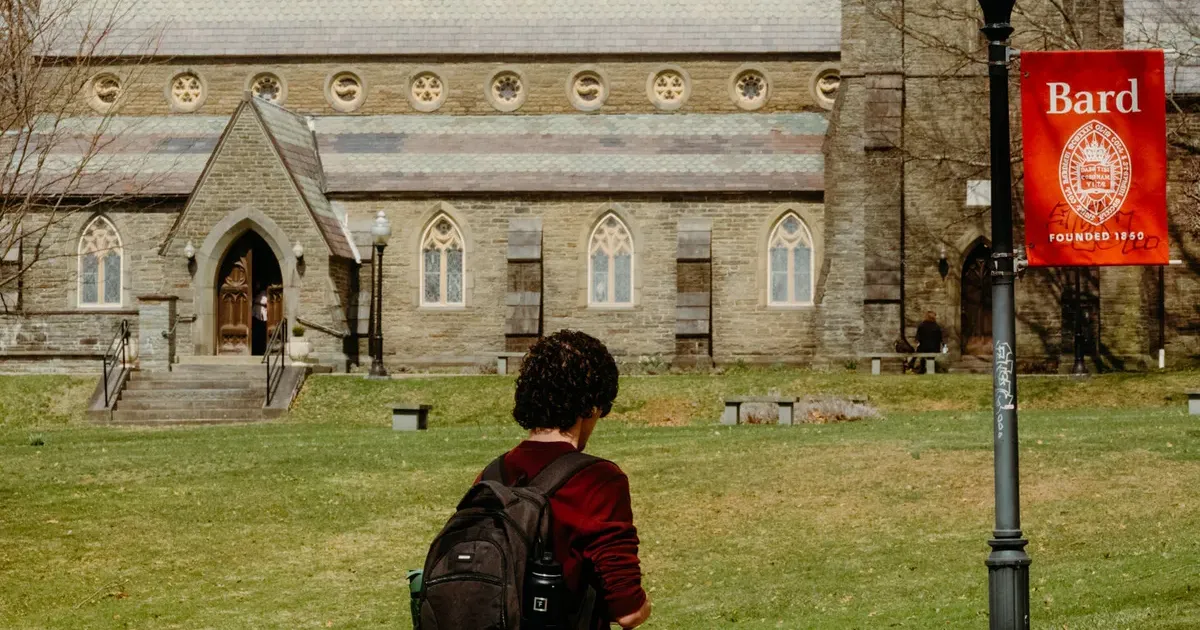
Bard College's crisis over Leon Botstein's relationship with Jeffrey Epstein extended beyond one president's past contacts. It became a test of whether a college built around a long-serving leader could examine donor judgment, transparency and institutional governance without collapsing the distinction between loyalty and accountability.
Botstein retired as Bard's president at the end of June 2026 after 51 years in the role. The departure followed an independent review by WilmerHale into communications between Botstein and Epstein, the late convicted sex offender. Bard's board said the review did not find illegal conduct by Botstein, but it did raise concerns about decisions made in the relationship and how fully the relationship had been described.
The Review Was About Judgment, Not Criminal Accusation
The legal distinction matters. Botstein was not accused by the review of participating in Epstein's crimes. The issue was judgment: continued contact, fundraising pursuit, transparency with the Bard community and the reputational cost of maintaining ties with Epstein after his criminal history was public.
The case therefore could not be resolved by saying that no crime was found. Universities depend on trust as well as law. A president can avoid criminal liability and still face legitimate scrutiny for donor relationships that placed institutional reputation and community values at risk.
Fundraising Culture Sat at the Center
Bard's history makes the crisis sharper. Botstein was widely credited with expanding the college, building ambitious programs and keeping a distinctive institution alive through decades of financial and academic experimentation. The record helps explain the loyalty he retained from many supporters.
It also explains the vulnerability. Colleges that depend heavily on charismatic fundraisers can begin treating donor pursuit as a special zone where normal ethical warning signs are softened. Epstein offered access to money, social networks and status. The review and surrounding reporting forced Bard to confront the cost of that access.
Faculty and Alumni Needed a Shared Record
The campus argument was not simply pro-Botstein versus anti-Botstein. Some faculty, alumni and trustees saw a president whose achievements had shaped Bard's identity. Others saw a leader whose Epstein relationship damaged the moral authority expected from a college. Both reactions had institutional weight.
The independent review mattered because communities cannot govern through rumor, private assurances or personal gratitude. They need a shared factual base. Without a shared record, every new document becomes either an attack or an excuse, and the college loses the ability to decide what standard it is applying.
The Board Also Became Part of the Story
The governance fallout did not end with Botstein's retirement announcement. Reporting described board disagreement, resignations and arguments over process, including whether the public framing of retirement matched the board's internal decision-making. The board dispute turned the scandal from a donor-ethics case into a succession and governance case. A June letter from House Judiciary Democrats seeking records from Bard and Harvard over Epstein ties added outside pressure and made clear that the issue would not end with a retirement date.
For Bard, the dispute is dangerous because leadership transitions after long presidencies are already delicate. A college cannot spend five decades with one dominant figure and then treat succession as an administrative detail. The Epstein review made the need for institutional independence more urgent.
Students See the Case Differently From Longtime Supporters
Longtime supporters can point to Bard's expansion, global programs, prison education work, music institutions and intellectual identity under Botstein. Students who arrived long after those battles may judge the matter differently. They inherit the institution, not the emotional memory of its rescue.
For them, the question is more direct: whether the college's leadership lived by the ethical standards its classrooms teach. The generational gap is not disrespect. It is what happens when institutional gratitude meets contemporary expectations about sexual abuse, donor power and transparency.
Bard Has to Separate Legacy From Control
The institutional lesson is that colleges become fragile when one leader's legacy becomes inseparable from the institution's identity. Bard can acknowledge Botstein's decades of influence and still conclude that the Epstein relationship reflected poor judgment. It can defend its achievements and still admit that donor boundaries failed.
The next phase is practical. Bard needs clear succession, stronger donor-review rules, transparent governance and a public explanation of how funds linked to Epstein will be handled. The college has said money connected to Epstein donations will support survivors of sexual harm. The commitment is a start, not a substitute for structural reform. Bard must now prove that its standards belong to the institution, not to one officeholder's discretion.