Belgium's 5-2 win over the United States in Atlanta turned a friendly into a warning. The scoreline matters because tournament preparation punishes defensive confusion quickly. The match was played on March 29, 2026, at Mercedes-Benz Stadium, where the USMNT started with enough promise to make the collapse feel even more alarming.
The Americans controlled useful stretches early and found ways to threaten. Then Belgium punished defensive gaps with the efficiency of a team that did not need many invitations. Once the match opened, the U.S. shape could not recover. That is why the scoreline mattered more than a normal exhibition result. With the World Cup approaching, the performance raised questions about concentration, transition defense and whether the team believes too much in its own progress.
Belgium Punished Every Loose Moment
Dodi Lukebakio's two goals gave Belgium the headline, but the broader problem was structural. The U.S. left too much room between lines, reacted slowly when possession changed and allowed Belgian attackers to run at defenders without enough pressure on the ball.
Jeremy Doku's directness made those weaknesses more visible. When wide players can isolate defenders and force emergency rotations, a back line begins to look disorganized even if the first mistake happens in midfield. Belgium did not need to dominate every minute. It needed to be ruthless when the U.S. became stretched.
Pochettino Gets a Useful Shock
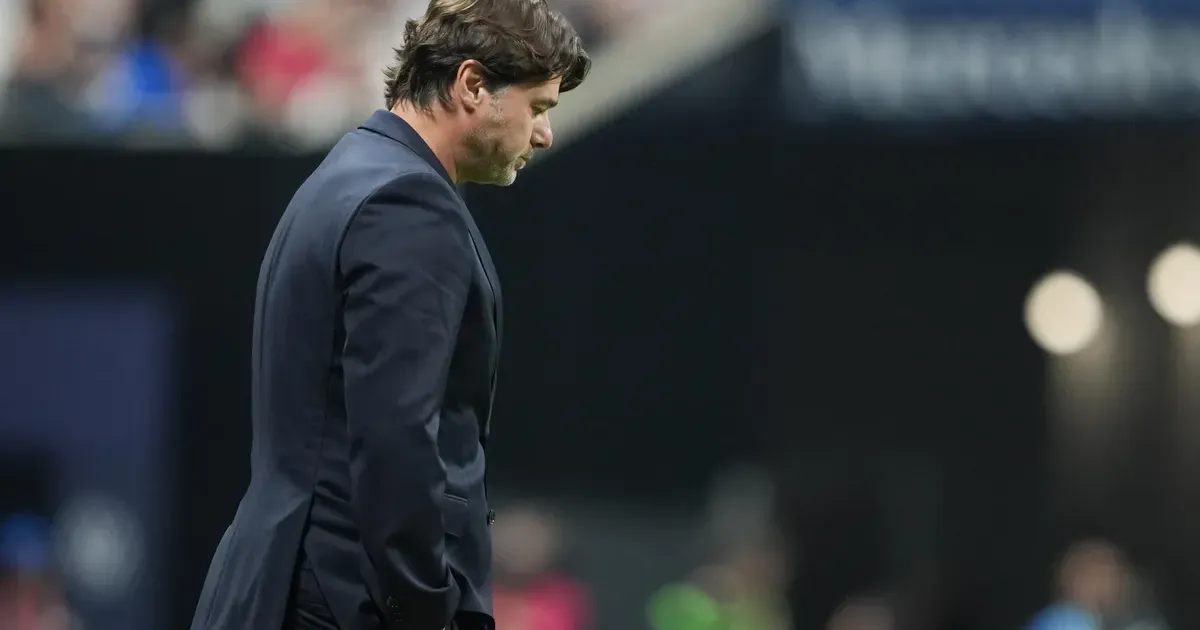
Mauricio Pochettino's criticism of the team's attitude was blunt because the timing demanded it. A heavy friendly defeat can be dismissed too easily, but a World Cup host cannot afford defensive arrogance or a belief that home pressure will solve tactical problems.
The lesson is not that the USMNT lacks talent. It is that talent without rest defense, communication and composure can collapse quickly against elite opponents. Tournament football punishes those gaps faster than qualifying narratives do. The same international window has already been shaped by availability questions elsewhere, including Portugal's planning around Cristiano Ronaldo's injury absence. For the U.S., the issue is not one missing star; it is collective reliability.
The World Cup Clock Is Unforgiving
The reported 76-day gap before the opener against Paraguay leaves little time for vague improvement. The staff needs clearer defensive triggers, sharper midfield spacing and a better plan for what happens when the first press is beaten.
Friendlies are useful only if the pain leads to correction. Belgium gave the U.S. a film session full of uncomfortable evidence: delayed tracking, exposed fullbacks, loose second balls and emotional drift after conceding.
The editorial read is that Atlanta should be treated as a warning rather than a humiliation to forget. A host nation can survive one bad friendly. It cannot carry the same habits into a World Cup and expect the crowd to defend for it. Selection questions now become more urgent. A friendly defeat can expose whether certain pairings work under pressure, especially at center back, fullback and defensive midfield. Pochettino has to decide which mistakes came from individual lapses and which came from a system that left players with too much space to cover.
The attacking positives should not be ignored. The U.S. did enough early to show it can create chances against a strong opponent. The problem was that attacking promise did not survive the first wave of Belgian pressure. Tournament teams need emotional control after conceding, not only energy before the first setback. Atlanta also showed the danger of relying on home atmosphere as a competitive advantage. A supportive crowd can lift a team, but it can turn anxious quickly when defensive errors repeat. The USMNT has to give the crowd structure to believe in, and that starts with a back line that does not unravel after one bad sequence. The coaching staff also has to decide how to talk about the loss publicly. Too much alarm can make a friendly feel like a crisis; too little urgency can make it look as though the same errors will be tolerated. The best response is specific accountability: identify the failed rotations, the poor recovery runs and the decisions that left defenders exposed. Players can accept a hard message when it is tied to correctable actions. What they cannot carry into the World Cup is a vague instruction to show more pride while the tactical problems remain unsolved.
The result should also affect squad competition. Players on the edge of the roster now have an opening if they can offer defensive discipline, recovery speed or calmer buildup under pressure. A heavy loss can narrow choices, but it can also reveal which roles need different profiles before the final tournament decisions are made. The friendly therefore becomes useful only if it changes selection meetings and training habits. A bad result with no consequence is just a warning ignored. That consequence is the value of the loss if the staff uses it honestly before the final roster is locked.