As delivery problems ease in stem cell and CRISPR research, biotech promises are moving closer to clinical reality. The delivery problem came into focus on March 11, 2026.
Biology Finally Confronts the Delivery Problem
The latest research marks a significant moment in the clinical evolution of precision medicine as researchers finally bridge the gap between discovery and delivery. Scientists have long mastered the art of creating life-saving biological tools, yet they have consistently struggled to transport those tools into the human body without them degrading or disappearing. Two distinct breakthroughs, one involving a protective nanogel for swallowing disorders and another using an amino acid cocktail to supercharge gene editing, are now rewriting the rules of therapeutic survival. Difficulty swallowing, known medically as dysphagia, affects millions of elderly citizens and survivors of head or neck cancer. It is more than an inconvenience; it is a life-threatening condition that frequently leads to aspiration pneumonia or severe malnutrition. Stem cell therapy has long held the promise of regenerating damaged throat muscles, but the environment inside these tissues is notoriously hostile. Most injected cells die before they can begin the repair process, leaving patients with little hope for recovery. This failure rate has haunted clinical trials for a decade. Researchers at the forefront of bioengineering have recently introduced a specialized nanogel designed to act as a molecular shield. The gel provides a supportive environment that mimics the natural extracellular matrix, allowing therapeutic stem cells to thrive long enough to integrate into the muscle tissue. Reliability remains the final frontier. Experiments conducted in recent months demonstrate that these nanogels can maintain stem cell viability for periods sharply longer than previous aqueous solutions.
Lipid Nanoparticles Get a Stronger Engine
Researchers showed that biological payloads still need engineering protection to survive. By tweaking the chemical composition of the gel, scientists can control the rate of release and the structural support offered to the cells. Success in this area provides a blueprint for treating other muscular degenerative diseases where cell survival has traditionally been the primary obstacle. Lipid nanoparticles, or LNPs, became a household name during the global effort to distribute mRNA vaccines. While these fatty spheres effectively protected genetic material during the pandemic, their efficiency in complex gene-editing tasks remained limited. Modern medicine now demands more from LNPs than simple vaccine delivery.
Scientists are racing to use them as vessels for CRISPR constructs capable of correcting genetic mutations at the source. This ambition requires the LNPs to penetrate deep into target cells without being destroyed by the body's immune system or metabolic processes. A simple yet ingenious solution has emerged from laboratory benches this year. By adding a specific cocktail of amino acids to the LNP formulation, researchers have dramatically increased the power of mRNA and CRISPR therapies. These amino acids act as a chemical lubricant, facilitating a smoother entry into the cell and ensuring that the genetic payload reaches the nucleus intact.
Modern biology now demands a stronger container. Preliminary data suggests that this amino acid enhancement can boost the efficacy of gene delivery by orders of magnitude compared to standard formulations.
Investors Follow the Scaffolding
Pharmaceutical giants are already taking note of these results. Instead of developing entirely new delivery vehicles at the cost of billions, they can now optimize existing LNP technology with relatively inexpensive additives. Such an approach accelerates the timeline for bringing cancer therapies and treatments for inflammatory diseases to the market. Markets have responded with cautious optimism as the logistical barriers to gene therapy begin to crumble. Investment is pouring into companies that prioritize delivery architecture over the drugs themselves.
Venture capital firms in Boston and London are pivoting away from simple molecule discovery toward complex bio-delivery systems. They recognize that the most potent drug in the world is useless if it cannot survive the journey to the target organ. The nanogel used for swallowing disorders is just one example of a broader trend toward scaffolded medicine, where the delivery medium is as biologically active as the treatment it carries. Biotechnology firms specializing in LNP optimization have seen their valuations climb as the amino acid cocktail findings went public. These enhancements are not just technical curiosities; they represent the difference between a failed clinical trial and a multi-billion dollar success.
Smaller biotech startups are finding success by focusing on these niche delivery problems, often outmaneuvering larger competitors who are still wedded to older, less efficient delivery models. Yet the complexity of these systems brings new regulatory challenges for agencies like the FDA and MHRA.
Clinical Ethics Move Into the Vehicle
Regulators must now evaluate not just the genetic payload, but the entire chemical ecosystem of the delivery vehicle. Precision matters more than ever in the 2026 environment. We are moving away from the era of brute-force medicine where high doses were used to compensate for poor delivery. Every milligram of a CRISPR construct or a stem cell batch is precious. Reducing waste through better delivery systems like nanogels and amino acid-boosted LNPs is essential for making these high-end treatments affordable for the general public.
Managing the Ethical and Clinical Frontiers
Bioethicists are raising questions about the long-term effects of these synthetic delivery systems. While the amino acids are naturally occurring, their concentration in these therapeutic cocktails is far beyond what the body typically encounters in a localized area. Monitoring the metabolic fallout of these high-potency delivery vehicles will be a priority for the next phase of human trials. Still, the immediate benefits for patients with terminal or debilitating conditions often outweigh these theoretical risks. The ability to speak and eat without fear of pneumonia is a transformative prospect for the elderly and cancer survivors alike.
Clinical protocols are being updated to reflect these technological shifts.
Why the Delivery Truck Matters More Than the Dream
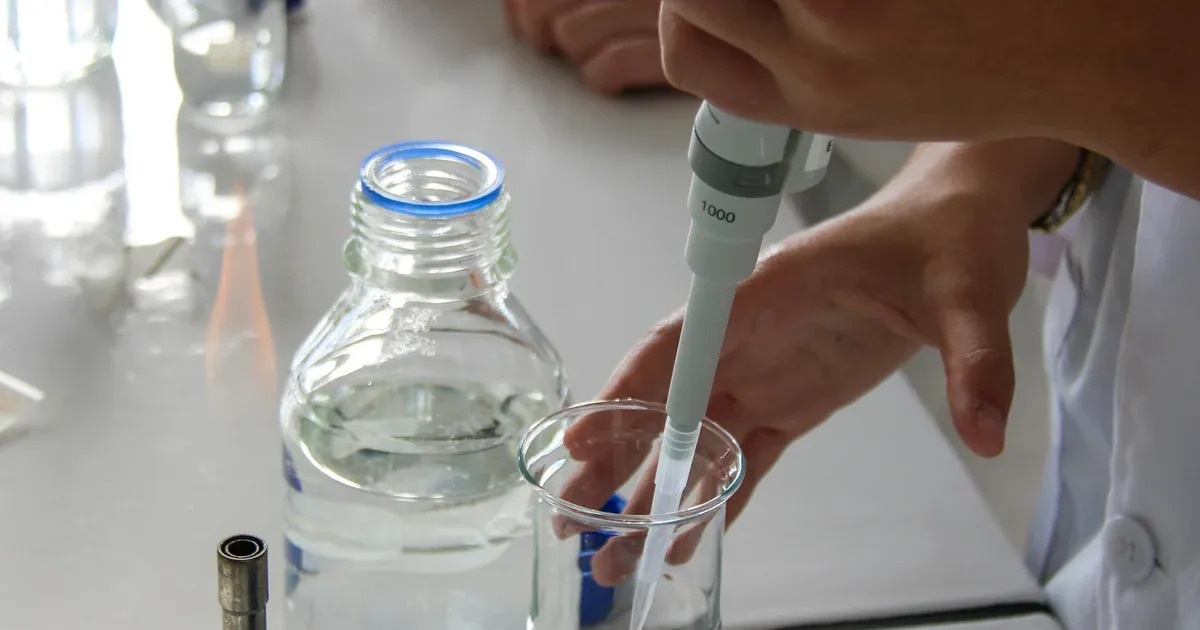
Ask a venture capitalist about the future of medicine and they will point to a pipette, but they should be looking at the delivery truck. The current obsession with genetic sequences and stem cell potential is a distraction from the uncomfortable reality that we have been failing at basic logistics for twenty years. These recent breakthroughs in nanogels and amino acid cocktails are not just clever engineering. They are a desperate admission that our most advanced treatments have been functionally useless because they could not survive a simple injection. The biotech industry has spent decades selling the dream of a cure while ignoring the plumbing.
While it is easy to celebrate a 2026 where stem cells finally stay alive in a throat muscle, we must ask why it took this long to realize that a cell needs a home, not just a needle. The industry continues to prioritize high-priced miracles over the foundational physics of biology. If we are to truly revolutionize healthcare, we must stop treating the human body as a passive recipient and start acknowledging it as a hostile environment that requires rigorous, protective engineering.