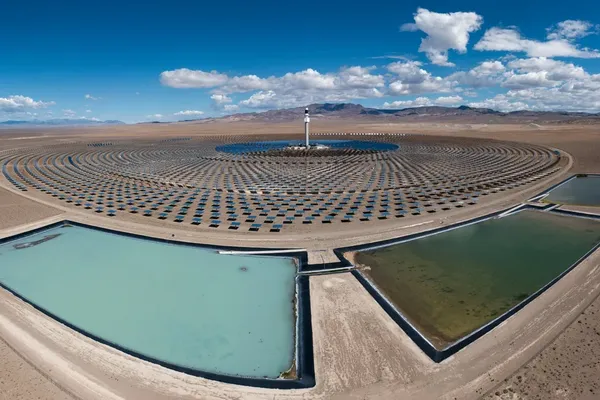
Liquid Air, Molten Salt and Sand Target Different Energy Gaps
Liquid air can return electricity to the grid, while molten salt and sand store heat and sweat cells harvest tiny amounts of wearable power.
Showing 1-12 of 177 articles
Liquid air can return electricity to the grid, while molten salt and sand store heat and sweat cells harvest tiny amounts of wearable power.
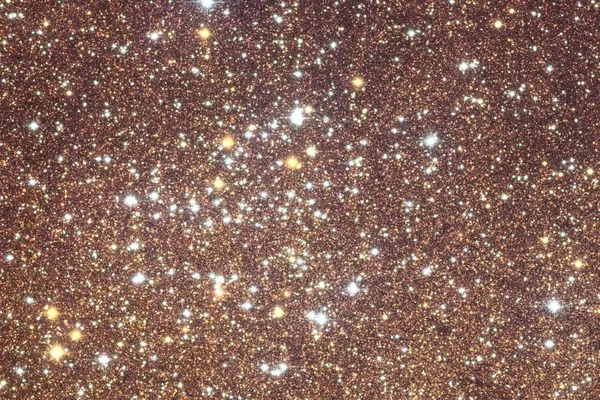
Europe's Euclid space telescope has turned a survey of the Milky Way's crowded center into a new tool for astronomers hunting planets beyond the solar system.
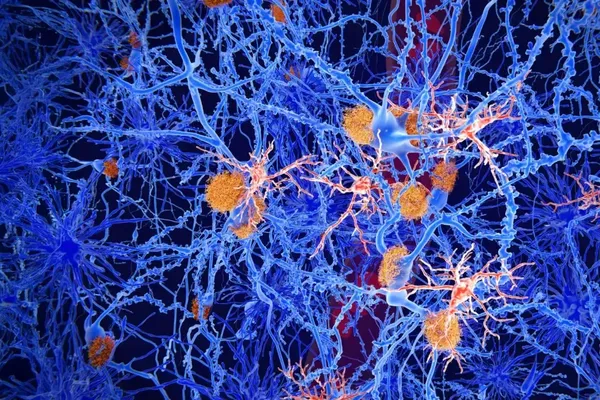
Researchers report that an OLE molecule helped reprogram microglia and reduce amyloid plaque effects in Alzheimer’s models.

A small meteor caused a double boom across parts of New England, prompting explosion reports and dozens of sightings from Delaware to Montreal.
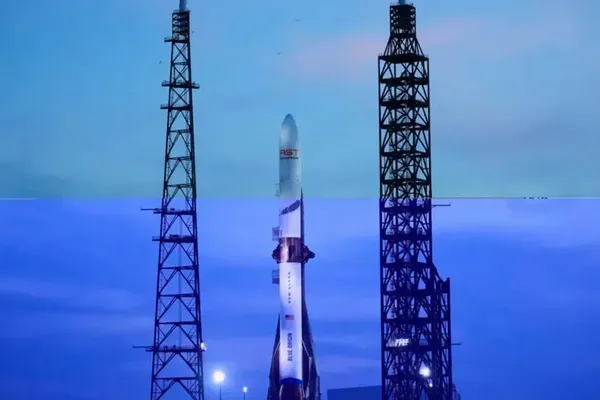
Blue Origin technicians are investigating the destruction of a New Glenn flight vehicle following a major test failure at Cape Canaveral.
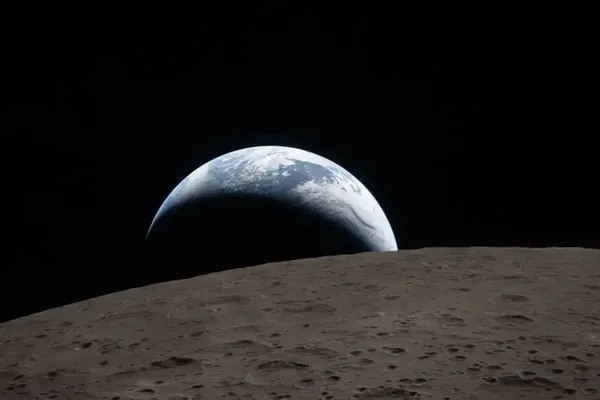
NASA officials outlined a series of technological deployment phases aimed at establishing a sustained human presence on the lunar surface.
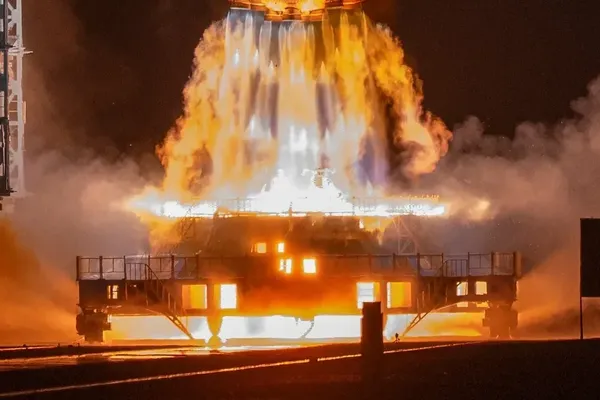
China launched Shenzhou 23 toward the Tiangong space station with one astronaut scheduled for a yearlong mission in orbit.
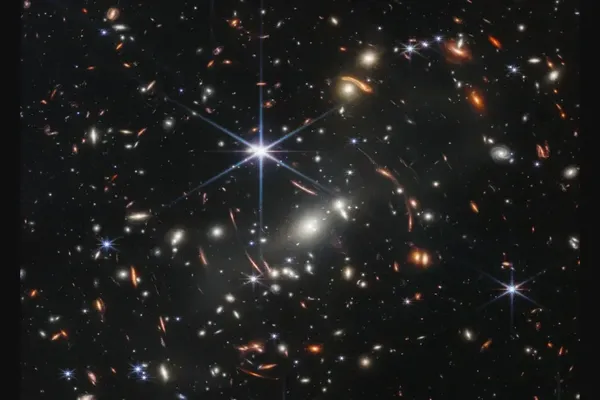
Thai paleontologists have officially identified a new species of giant titanosaur discovered in the northeastern reaches of the kingdom.
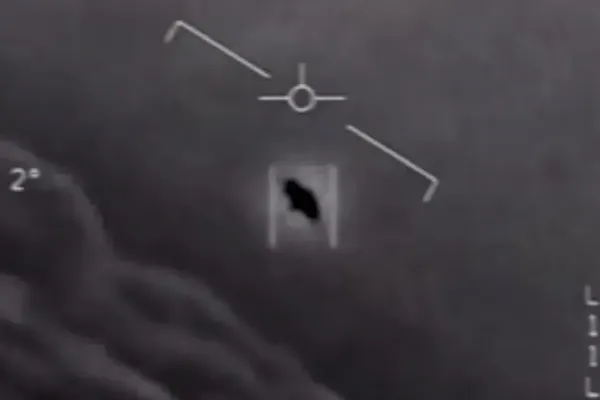
Defense Department officials unsealed the first major collection of declassified UFO dossiers in decades after years of mounting pressure from legislative committees and the public.
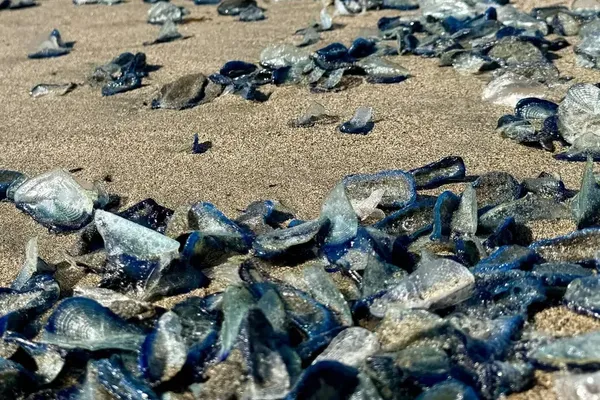
California coastlines became the landing site for thousands of blue marine organisms known as by-the-wind sailors this week.
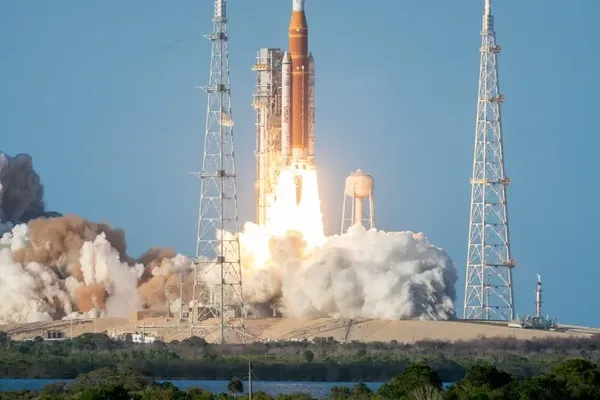
The Artemis II astronauts described their lunar test flight, Orion performance and the emotional weight of seeing Earth from deep space.

Harbor seal whiskers help track fish trails in dark water, showing how marine predators use flow cues instead of sight alone.