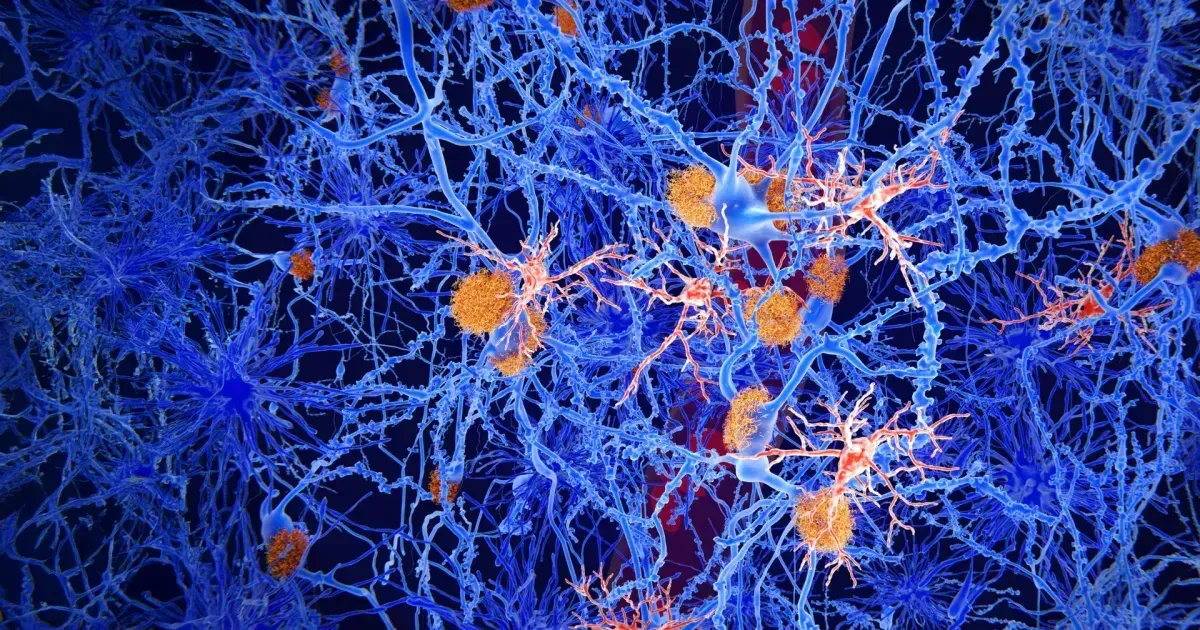
Researchers say an experimental molecule called OLE helped reprogram brain immune cells in Alzheimer's disease models, pointing to a possible way to make the brain's own defenses more protective. The findings were highlighted on June 19, 2026, and remain early, but they add weight to a growing focus on microglia as a treatment target. Alzheimer's research has spent years debating how much benefit comes from attacking plaques directly; immune-cell work asks whether the brain can be pushed into handling pathology more effectively.
The study describes how OLE influenced microglia, the brain's resident immune cells, in models of Alzheimer's disease.
OLE and microglia are the center of the finding. The molecule is linked to PM20D1 biology and appears to push microglia toward a state that better surrounds amyloid plaques and limits their harmful interaction with nearby neurons. That is a different therapeutic idea from simply trying to dissolve plaques after they form.
Microglia Are More Than Cleanup Cells
Microglia are often described as the brain's immune sentries, but their role in Alzheimer's is complicated. The same cells that help wall off damage can contribute to harmful inflammation if their response becomes poorly regulated. That dual role is why reprogramming them is scientifically attractive but biologically delicate. They can help contain damage, yet chronic activation can also feed inflammation or leave plaques poorly controlled.
Medical Xpress reported that OLE helped restore microglia to a more protective state in the models studied. That matters because Alzheimer's research is increasingly looking beyond plaque removal alone and asking how the surrounding brain environment responds. A plaque's effect can depend on inflammation, immune signaling and whether nearby cells contain damage or amplify it.
The promise is not simply clearing plaques, but changing how the brain's immune cells behave around them.
If microglia can be guided into a protective mode, future therapies might reduce damage without relying only on direct plaque-targeting antibodies. That is still a hypothesis, but it is a meaningful scientific direction. It could also fit with combination strategies if future research shows that immune modulation works alongside other approaches rather than replacing them.
Preclinical Results Need Careful Framing
The study reported reduced toxic plaque effects and improved memory measures in disease models. Those outcomes are encouraging, but they do not mean OLE is ready as a human treatment.
Alzheimer's disease models are useful for understanding mechanisms, yet many promising findings fail when they move from laboratory systems to people. Human Alzheimer's is biologically diverse, slow-moving and affected by age, genetics, vascular health and other diseases.
That is why the result should be read as a research advance rather than a clinical breakthrough. It identifies a pathway worth testing, not a therapy patients can use now. The difference is crucial for families following Alzheimer's research, because promising laboratory results can be emotionally powerful while still being far from clinical care.
The Larger Shift Is Toward Brain Resilience
The work fits a broader movement in neurodegeneration research: treating the brain's support systems, not only the most visible disease markers. If support cells can be shifted toward repair and containment, researchers may have more ways to slow damage even when disease pathology is already present. Microglia, inflammation, metabolism and barrier function all shape whether neurons survive stress.
For Alzheimer's research, that shift could be important because amyloid and tau do not act in isolation. The immune environment around plaques may help determine whether pathology turns into rapid cognitive decline or remains more contained.
The next step is replication, dosing work and safety testing that can show whether OLE's effects are durable and specific enough to justify more advanced development. Researchers also have to learn whether the molecule can reach the right brain regions, avoid unwanted immune activation and produce benefits that last beyond short experimental windows. Until then, the finding is best understood as a promising map of where Alzheimer's science may move next. Its value is in clarifying a mechanism and giving researchers a more specific target for future safety, dosing and delivery studies. That makes the result scientifically useful even while clinical use remains distant.