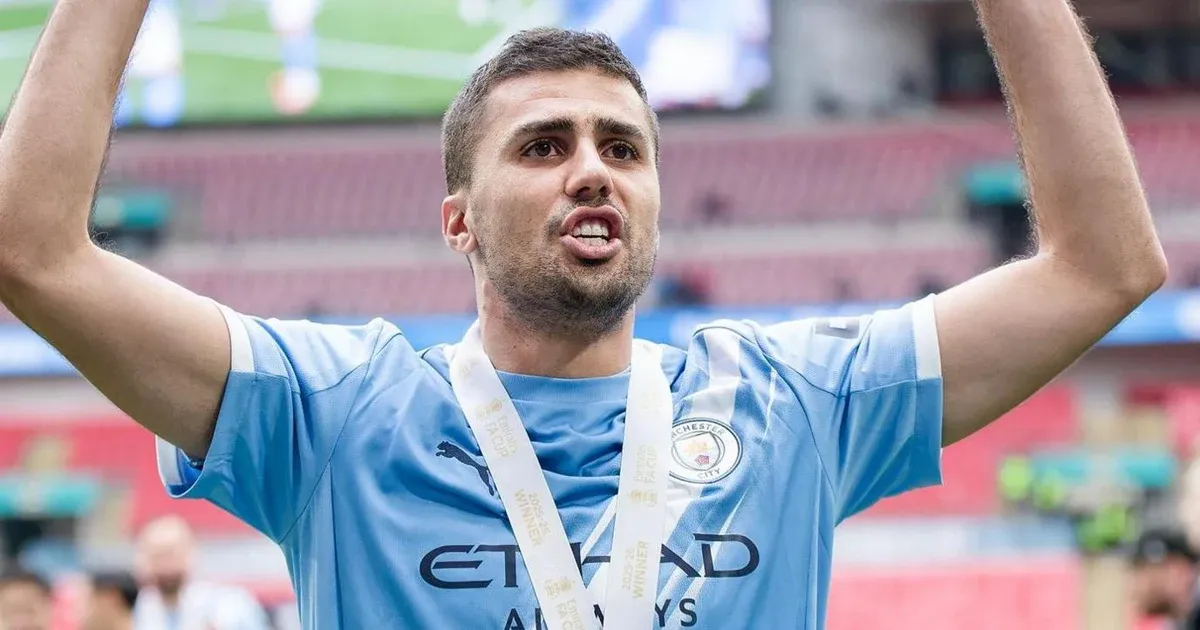
Manchester City have rejected Barcelona's opening £38.5m offer for Rodri, leaving at least £21.5m between the bid and the price City are reported to want. The rejection came on August 7, 2026. The response stops the negotiation before it reaches the harder questions of payment terms or a replacement. It does not close the transfer, because Barcelona's interest and Rodri's preference for the club remain part of the talks.
Rodri, now 30, can leave without a fee next summer because only one season remains on his City agreement; no extension has been signed. Barcelona made the offer after receiving approval from the player's side to begin negotiations. BBC Sport reported that City would seek more than £60m, while Sky Sports said the opening figure was considered too low and talks had paused.
Contract Time Gives Both Clubs a Different Kind of Leverage
City's position is conditional rather than contradictory. The club wants to extend Rodri's contract and is not actively trying to sell the midfielder, according to Sky. It would, however, allow him to leave if he formally asked for a move. BBC's account of a price above £60m supplies the threshold for that possibility. Barcelona can wait for the final contract year to run down, but waiting also gives another bidder time to re-enter. City's timetable is shorter for a different reason. With the transfer window moving into its second week of August, the club wants enough time to secure any replacement before the market closes.
Real Madrid no longer appear to be that bidder. BBC reported that their discussions had ended after Rodri chose another offer, with Spanish radio network Cadena Ser tracing the decision through his agent. Barcelona had already been told there was no guarantee of an agreement, then submitted the £38.5m proposal on Friday. Cadena Ser said Real's approach came just after Spain's World Cup triumph and involved two weeks of positive discussions. The Spanish club's president and chief executive were both reported to have supported the attempt before being informed of Rodri's decision on Friday. The rejection therefore establishes a valuation gap without changing the player's reported destination preference.
Rodri's recent seasons make the timing unusually complicated. A serious knee injury removed him from much of 2024-25, a hamstring problem interrupted the following campaign and back surgery in July has kept him out of action. He is expected to rejoin City's squad in Manchester early next week. Those absences give Barcelona a medical and availability question, but his return at the World Cup restored the sporting case: the 2024 Ballon d'Or winner captained Spain to the title and was named the tournament's best player. Elite Tribune's account of Spain's World Cup victory also records how he controlled midfield in the final. City can set that tournament performance beside almost 200 club appearances since he arrived from Atletico Madrid in 2019.
Bouaddi's £86m Price Makes the Sale Fee Only Half the Decision
City cannot judge Barcelona's offer in isolation from the cost of filling Rodri's role. Lille have set an £86m price for Ayyoub Bouaddi, the 18-year-old Morocco midfielder now in City's talks. The age gap makes this a comparison between an established elite midfielder and a long-term development asset. Selling a proven starter for a figure below £60m and then paying substantially more for a younger replacement would require City to treat the difference as an investment in age and contract length, not a like-for-like exchange.
The alternatives also point to more than one midfield job. Sky in Italy identified Chelsea's Enzo Fernandez as a preferred signing for City manager Enzo Maresca if circumstances change. Sky Sports had reported earlier in the summer that Fernandez was not under consideration because City were focused on retaining Rodri. The same report said the changing situation could lead City to seek two players if Rodri joins Barcelona. Elliot Anderson can cover parts of the role, but Sky's analysis cast him as a developing option rather than a direct substitute for Rodri's control of possession and match tempo.
That is why the rejected bid is not simply an opening round of bargaining. City paid about £60m for Rodri and have almost 200 appearances of evidence for what the position contributes. Keeping him for the final contract year preserves a player central to a title challenge but risks losing the transfer fee later. Sky analyst Jamie Carragher argued that a £40m-£50m return would not compensate for losing a midfielder of Rodri's influence during a title campaign. Selling now creates funds, yet the reported Bouaddi valuation shows that the proceeds may not purchase an immediate equivalent. A free transfer next year is therefore a real financial risk, but so is weakening the team for less than the cost of the replacement path now being discussed.
The next move belongs to Barcelona, but City have two decisions of their own. A higher offer must be large enough to change the replacement calculation, and Rodri must decide whether to request the transfer or continue discussing a new contract. A revised bid alone will not settle the player's choice or City's contract proposal. Until both conditions move, the practical outcome is a pause: Barcelona have identified their target, City have identified their floor, and an £86m replacement benchmark keeps the distance between them visible.