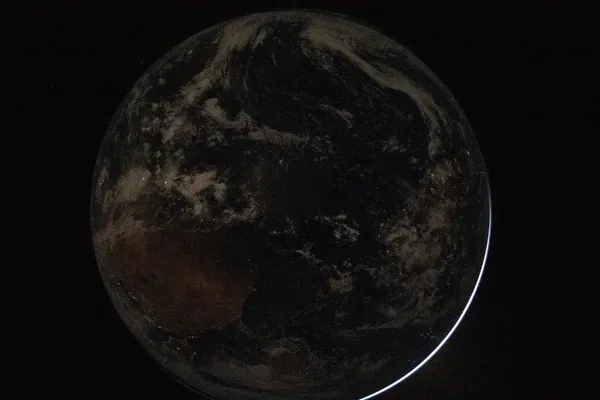
NASA Prepares for Silent Phase of Artemis Lunar Flyby
NASA prepared Artemis II for a silent lunar flyby phase when Orion would lose contact behind the Moon.
Showing 25-36 of 177 articles
NASA prepared Artemis II for a silent lunar flyby phase when Orion would lose contact behind the Moon.

A public AI trust study found that factual knowledge can shift views more than direct personal experience with automation.
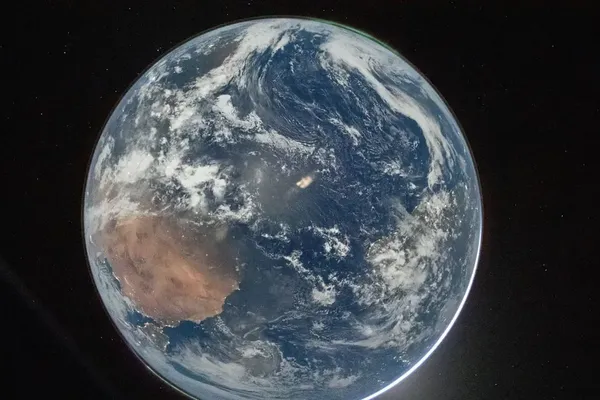
NASA said Artemis II transmitted new lunar far-side images as Orion tested communications and data handling for future Moon landings.
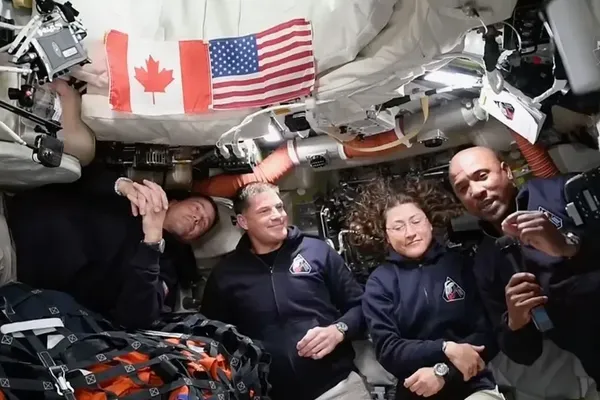
Artemis II astronauts reached the final leg of their lunar journey while managing an Orion waste-system issue.
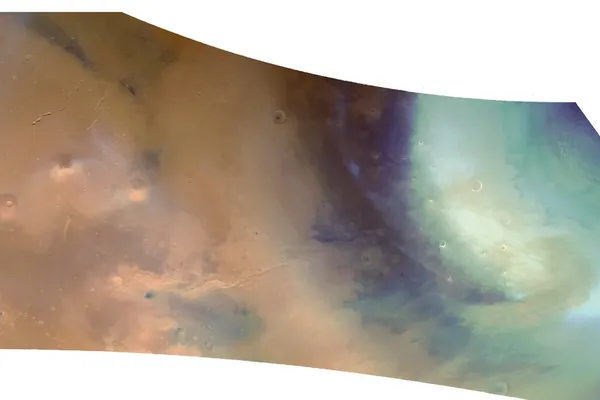
New research suggests Martian dust storms can generate electrical discharges that alter surface chemistry and complicate rover and habitat planning.

Arctic permafrost systems in northern Alaska discharged vast quantities of ancient carbon on April 5, 2026, marking a rapid change in regional river chemistry.
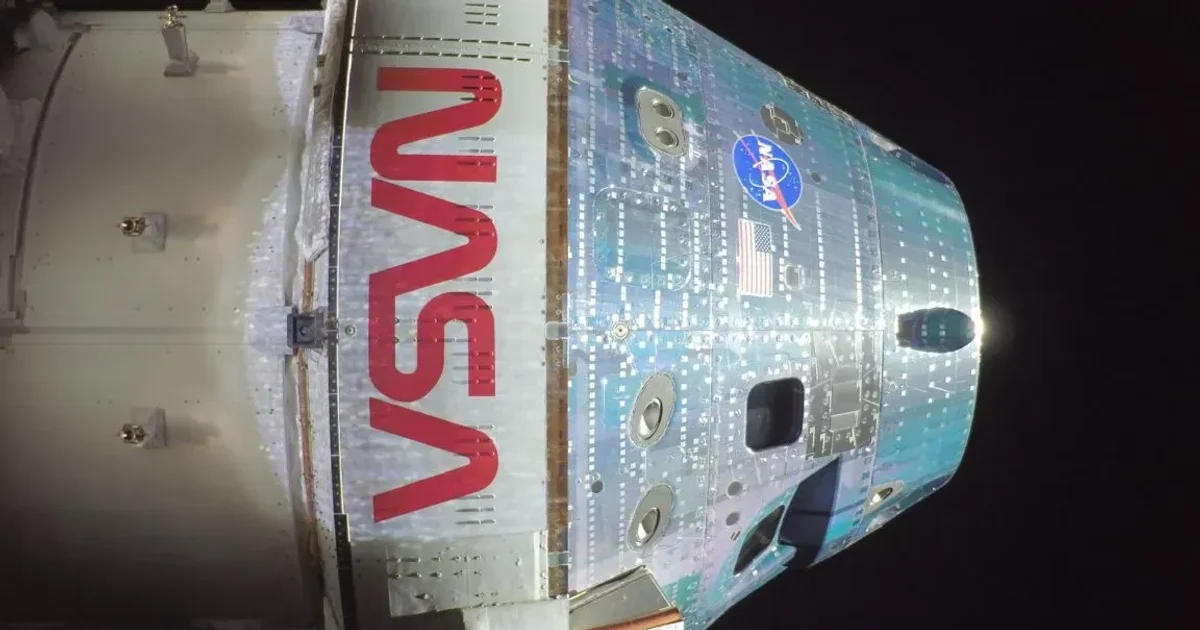
NASA's Orion spacecraft moved deeper into the lunar phase of Artemis II as engineers reported strong systems performance and a minor toilet-system fix.
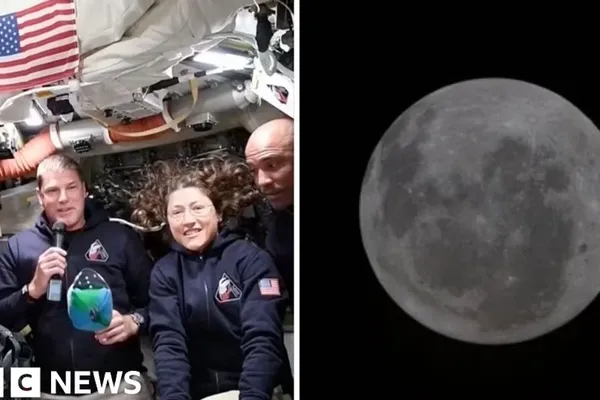
NASA astronauts aboard the Orion capsule entered their third day of deep space operations on April 5, 2026, while navigating the gravitational influences of the lunar far side.

Algorithms used in environmental visualization tools began generating sanitized versions of nature on April 5, 2026, obscuring the inherent dangers of rewilding projects.

Jeremy Hansen peered through the thick windows of the Orion spacecraft on April 4, 2026, as the vessel crossed the halfway point of its journey toward the moon.

Donald Trump finalized research spending reductions on April 4, 2026, forcing US institutions to brace for a loss of technical expertise to international competitors.
Research published by ScienceDaily on April 4, 2026, indicated that catastrophic asteroid strikes may have helped catalyze terrestrial biology.