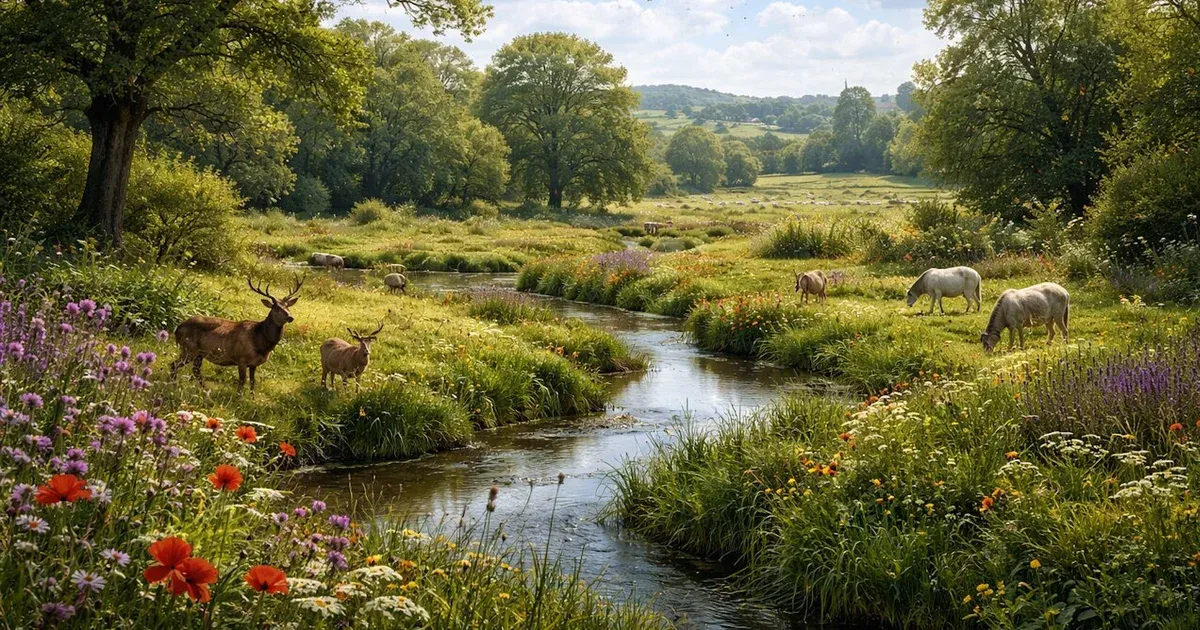
Algorithms used in environmental visualization tools began generating sanitized versions of nature, obscuring the inherent dangers of rewilding projects. Ecological researchers identified a growing trend where generative software produces hyper-aesthetic depictions of restored wilderness that lack the biological reality of rot, decay, and conflict. These digital visions influence how the public perceives conservation efforts. Visual biases within neural networks favor vibrant greenery and crystal-clear water over the mud and carcasses that define a functioning ecosystem. The April 5, 2026 findings exposed the gap between polished imagery and functioning ecosystems.
Generative AI Training Biases Toward Aesthetic Perfection
Rewilding initiatives require broad public support and financial investment to succeed in populated regions. Developers of platforms like Midjourney have inadvertently created a feedback loop where the most visually appealing images of nature are used to train subsequent models. This technical inheritance ensures that every generated vista looks more like a curated botanical garden than a self-sustaining wild area. Projections show that these sanitized images now dominate social media discussions regarding environmental restoration. Major software packages lack the data to render the unpleasant biological byproducts of a trophic cascade.
Technical constraints within diffusion models limit their ability to portray the chaotic entropy found in the wild. Data sets used for training predominantly feature professional photography from travel magazines and stock photo sites. These sources prioritize high saturation and balanced compositions. Within this digital framework, a wolf is always a majestic sentinel rather than a mud-caked predator standing over a half-eaten elk. DALL-E and similar tools consistently remove the messiness of animal life to satisfy the aesthetic preferences of human users.
Restoration scientists argue that this preference for perfection is a major barrier to realistic conservation goals. When a community expects the lush, silent greenery of an AI-generated forest, the reality of a rewilded terrain can cause immediate backlash. Real wilderness includes the smell of stagnant water and the sight of fallen trees that create impassable barriers. Digital simulations rarely include these details. Researchers argue that the historical tendency to sanitize the natural world has transitioned from the canvas to the code. Patterns in these algorithms reflect a deep human desire to control and beautify the untamed. Humans have always imagined the natural world. From Ice Age cave paintings to the modern day, we depict the animals and landscapes we value, and ignore those we don't.
Biological Decay Disappears in Algorithmic Ecosystem Models
Functioning biomes depend on the presence of death and decomposition to cycle nutrients back into the soil. Synthetic imagery ignores these phases of the life cycle. Instead of bone piles and insect swarms, the AI provides sun-drenched meadows. This visual omission creates a cognitive dissonance when voters visit actual restoration sites. Evidence suggests that public dissatisfaction rises when the real-world environment fails to match the high-definition promises of digital promotional materials.
Biological diversity includes the smell of carrion and the sight of mud.
Scientific observers note that the lack of decay in AI models makes nature appear static. Real wilderness is a site of constant struggle and rapid change. $4 billion in global conservation funding relies on visual storytelling that may be setting unrealistic expectations for stakeholders. Without the inclusion of biological waste and predators, these models present a version of rewilding that is functionally impossible to achieve. Policymakers often use these images to sell restoration projects to skeptical urban populations.
Public Perception Gap Threatens Local Conservation Support
Property owners living near rewilding zones frequently express concern over the unpredictability of introduced species. Digital simulations do nothing to address these fears, often depicting wolves and bears as docile components of a peaceful vista. This aesthetic bias masks the genuine risks associated with living alongside apex predators. When a real animal kills livestock or approaches a residential area, the shock is intensified by the previous exposure to sanitized AI art. Local resistance often stems from this disconnect between the digital fantasy and the physical reality.
AI Nature Images Hide Rewilding Complexity
AI nature images are useful only if they do not erase the disorder that makes ecosystems work. Rewilding involves mud, decay, conflict and uncertainty, not only clean green scenery.