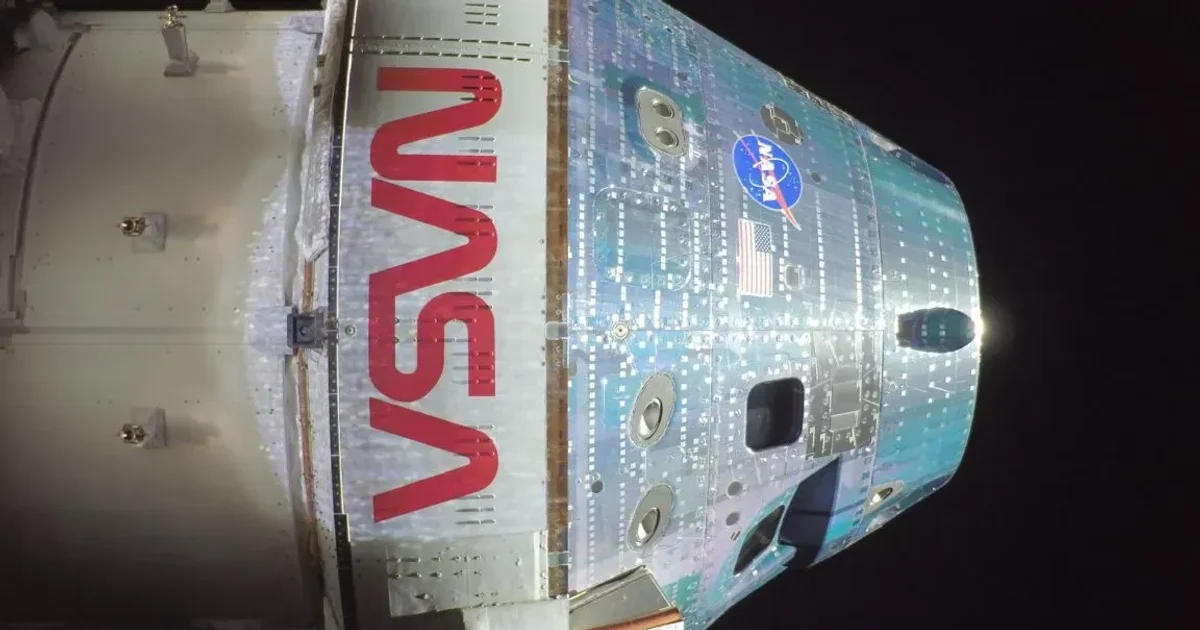
Artemis II moved deeper into its lunar phase with NASA's Orion spacecraft performing better than expected. The next data points will come from the flyby, the long coast home and re-entry. Each phase tests a different part of the system: trajectory control near the Moon, crew endurance inside Orion, ground-team coordination and the heat shield that must survive the return through Earth's atmosphere. NASA does not need every moment to be dramatic. By April 5, 2026, the crew had passed a key point in the mission profile and was closer to the Moon than Earth. The agency needs the spacecraft, crew and controllers to build a chain of ordinary successes strong enough to support the higher-risk missions that follow. For the crew, that repeatability is not boring; it is the foundation of safe exploration beyond low Earth orbit. The spacecraft is teaching NASA how procedures feel when real astronauts have to live with them, not just how they look in simulations. That human feedback will shape training, checklists and equipment choices before crews attempt more demanding lunar work. The operational value lies in that calm test flight. Mission control depends on that evidence. The flight has been smooth enough that one of the most discussed issues involved the spacecraft's waste management system. Engineers said the crew resolved a minor pump problem by adding more priming water, keeping the mission on track without affecting core navigation or life-support goals. Mission managers still have to separate clean telemetry from public excitement because a lunar flyby leaves little room for complacency.
Orion Systems Stay Ahead of Plan
Artemis II is designed to test Orion with astronauts aboard before NASA attempts a later lunar landing mission. The spacecraft must prove that propulsion, communications, thermal control and crew systems can handle the stresses of a deep-space flight. So far, the mission has offered engineers a largely positive data set. The waste-system issue was useful precisely because it was manageable. Human spaceflight depends on unglamorous systems working reliably for days at a time. A pump that needs more priming water is not mission-threatening, but it gives NASA information about how hardware behaves under real crew use.
Mission coverage noted that Artemis II was going so well that attention turned to frozen urine and spacecraft plumbing.
Lunar Flyby Data Matters for Artemis III
The mission's larger purpose is to reduce uncertainty before Artemis III. A crewed lunar flyby tests procedures that cannot be fully simulated on the ground, including communication delays, radiation monitoring and the daily realities of living inside Orion.
Each clean system check gives NASA more confidence in the spacecraft's readiness. Each small anomaly gives engineers a chance to refine procedures before a mission that will carry astronauts closer to a landing attempt. Even minor hardware behavior therefore matters.
The crew's ability to troubleshoot without drama is also part of the test. Future lunar operations will require astronauts to handle small failures quickly while preserving mission timelines and conserving supplies. Routine work such as eating, sleeping and communicating in deep space generates lessons that uncrewed tests cannot capture.
The flight also matters politically because Artemis has to show visible progress after years of cost and schedule pressure. A calm Artemis II mission gives NASA a stronger argument that the architecture is maturing, even if the program still faces scrutiny over budgets, contractors and the pace of lunar return.
Moon Flyby Still Carries Risk
The smooth start should not make the mission routine. Artemis II remains a complex human-spaceflight test with limited rescue options once Orion is deep in its trajectory. Navigation accuracy, heat-shield performance and re-entry planning remain central to the mission's final risk profile.
NASA will study the spacecraft's performance through the lunar flyby and return to Earth. The most important test may come at the end, when Orion re-enters the atmosphere at high speed and validates the systems that will protect future lunar crews.
The waste-system fix fits that pattern. It is not a dramatic failure, but it is the kind of small operational detail that can affect crew comfort and workload on longer missions. NASA will fold those lessons into procedures before astronauts fly closer to a landing attempt.
Public perception is part of the mission environment as well. Artemis is not only a technical program; it is a long political commitment funded across administrations and Congresses. Smooth operations help NASA defend that commitment, especially when critics question whether the lunar architecture is too expensive or too slow.
For now, the mission is doing what NASA needs: producing real flight data without major disruption. Uneventful days are evidence in this context. Each stable communications pass, normal system reading and crew procedure completed on time reduces uncertainty for the missions that follow.