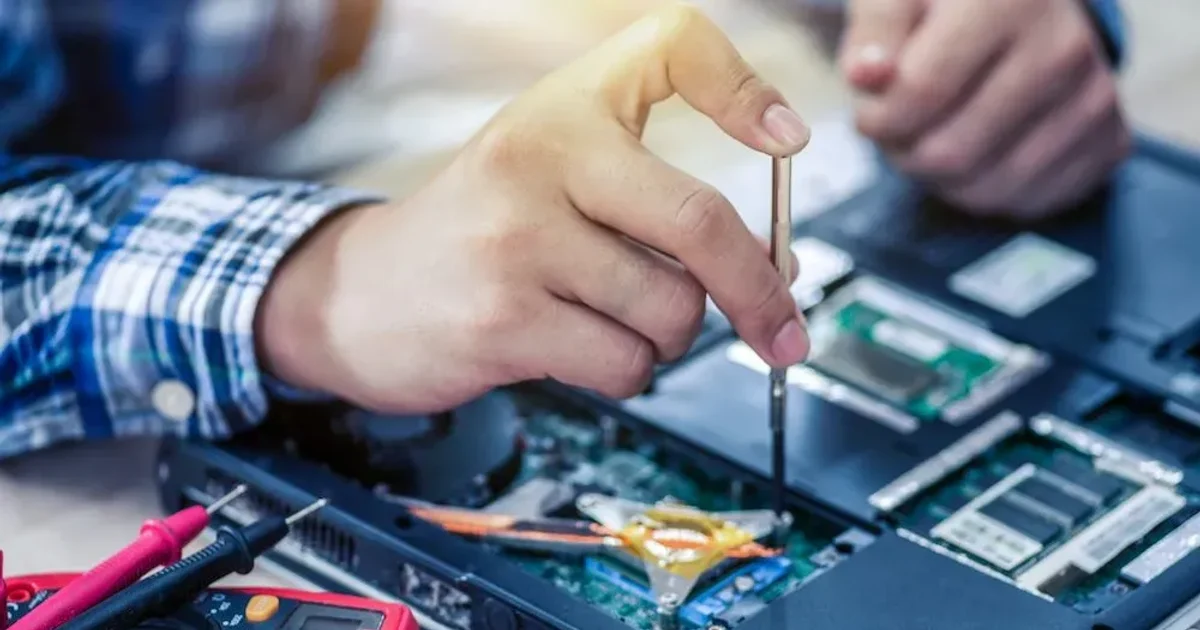
Colorado legislators and consumer advocates convened on April 5, 2026, to address a coordinated effort by hardware manufacturers to weaken state consumer protections. Local activists warn that global technology firms are deploying sophisticated lobbying tactics to dismantle the nation's most complete repair legislation. These maneuvers aim to restore corporate control over the maintenance of essential machinery and personal electronics. Corporate legal teams have identified Colorado as a critical battleground that could dictate the future of ownership in the digital age.
Voters in 2022 began a series of legislative victories that expanded the rights of residents to fix their own property. Initial efforts focused on powered wheelchairs, where users faced months of delays for simple repairs due to manufacturer monopolies on proprietary parts. Subsequent bills expanded these protections to include complex agricultural machinery and consumer handheld devices. This legislative sequence transformed Colorado into a testing ground for the national right-to-repair movement. National advocacy groups now view the state as the gold standard for consumer autonomy.
Colorado Legislative Record and Repair Scope
State lawmakers successfully passed three separate bills between 2022 and 2025 to curb unfair repair restrictions. Each measure required manufacturers to provide the same diagnostic tools and manuals to independent shops as they do to authorized dealers. Proponents argue that open access to information lowers costs for rural farmers and urban families. Danny Katz, executive director of CoPIRG, noted that the state now leads the nation in repair accessibility. Critics, however, claim that these laws invite security vulnerabilities into proprietary software systems.
Agricultural equipment became a focal point when farmers discovered they could not clear software errors without an authorized technician. Some growers in the eastern plains reported waiting 48 hours for a technician to arrive during peak harvest windows. Lost productivity from these delays cost the local economy an estimated $12 million annually. Statutory changes forced manufacturers to release diagnostic software to independent mechanics. Compliance has been inconsistent across the industry.
Consumer electronics represent the largest volume of repair requests handled under the new framework. Colorado residents now have the legal right to purchase genuine batteries and screens directly from the original equipment manufacturers. Before the 2022 reforms, many companies restricted these parts to a narrow network of high-priced service centers. Repair costs for common smartphone damage dropped by 20% in the first year of the mandate. Independent repair shops grew in number by 15% across the Denver metropolitan area.
Parts Pairing and Software Barriers
Hardware manufacturers have pivoted to digital obstacles known as parts pairing to bypass the physical requirements of the law. This practice involves linking individual components to a device motherboard via unique serial numbers encrypted in software. If a technician replaces a broken screen with a genuine part from another device, the software may disable features like biometric sensors or camera functionality. Manufacturers argue this ensures the integrity of the device. Advocates describe it as a digital padlock that violates the spirit of the 2022 statutes.
Software locks effectively neuter the legislative intent by making physical access to parts irrelevant. Even if a consumer possesses the correct tools and hardware, the device remains hobbled until a manufacturer-controlled server authenticates the repair. CoPIRG has documented dozens of instances where firmware updates rendered third-party repairs useless. Legislative updates in 2026 aim to ban parts pairing specifically to address this loophole. Industry groups have spent $4 million in lobbying to prevent these updates from reaching the floor.
Digital security concerns serve as the primary defense for companies maintaining these software gates. Representatives from the consumer technology sector testified that open access to firmware could allow hackers to bypass encryption. They argue that authorized repair channels protect user data from malicious actors. Consumer groups counter that security is often used as a pretext for revenue protection. Documented cases of independent shops compromising device security are statistically rare.
National Influence and State Precedents
Success in Colorado triggered a cascade of similar legislative attempts across the United States. Repair bills reached the floor in every US state by the end of 2024, reflecting broad bipartisan support for consumer ownership. Currently, eight states have signed versions of these protections into law, though most are narrower than the Colorado model. California and New York adopted versions that exclude heavy machinery or medical equipment. Colorado continues to hold the most expansive set of mandates in the country.
"Colorado has the broadest repair rights in the country. We should be proud of leading the way.", Danny Katz, Executive Director of CoPIRG.
Federal lawmakers are monitoring the state-level friction to determine if national standards are necessary. Manufacturers prefer a single federal standard over a patchwork of 50 different state laws. Such a federal law would likely preempt the stronger protections found in Colorado. Lobbyists for the telecommunications industry are pushing for a federal bill that limits repair rights to basic battery replacements. Advocates fear a federal compromise would strip away the progress made since 2022.
International observers in the European Union have cited the Colorado model during their own policy debates. European regulators recently adopted rules requiring manufacturers to make spare parts available for ten years. Colorado's focus on software access and diagnostic tools goes further than current European directives. Global firms worry that Colorado's aggressive stance will set a precedent for other lucrative markets. The conflict has moved from local town halls to international corporate boardrooms.
Corporate Lobbying and Industry Resistance
Lobbying groups representing the world's largest tech firms have increased their presence in Denver. These organizations argue that the right to repair threatens intellectual property rights and trade secrets. They claim that forcing the disclosure of proprietary manuals is a form of government overreach. Recent filings show a 40% increase in campaign contributions from tech-aligned PACs to state legislators. Some lawmakers have softened their stance on parts pairing after meeting with industry representatives.
Contractual agreements between manufacturers and authorized dealers also complicate the enforcement of state laws. Dealers risk losing their official status if they sell proprietary tools to non-affiliated shops. This internal pressure creates a shadow market for repair information. Colorado officials have threatened civil penalties for companies that discourage dealers from complying with transparency mandates. Only two fines have been issued since the law took effect. The Attorney General is currently reviewing twelve additional complaints.
Environmental impact studies suggest that extended device lifespans could reduce electronic waste by 15,000 tons annually in the state. Repairing existing equipment uses considerably less energy than manufacturing new replacements. Companies, however, rely on frequent upgrade cycles to satisfy shareholder expectations for growth. Legislating for durability directly conflicts with the prevailing business model of planned obsolescence. The 2026 session will determine if consumer rights or corporate profits dictate the next decade of tech development.
The Elite Tribune Strategic Analysis
Does the concept of private property still exist if the manufacturer retains a digital veto over its function? The current clash in Colorado is not merely a dispute over screwdriver bits or service manuals; it is a fundamental battle over the definition of ownership. For decades, the tech industry has successfully transitioned from selling products to selling licenses, hiding behind the veil of intellectual property to ensure that the consumer remains a perpetual subscriber. Colorado's defiance of this trend is the first meaningful blow against a corporate architecture designed to make every purchase temporary.
The industry's pivot to parts pairing is a cynical but effective counter-insurgency. By moving the barriers from the physical to the digital area, manufacturers are betting that legislators are too technically illiterate to understand the encryption schemes that lock down a tractor or a tablet. It is a game of cat-and-mouse where the mouse has a multi-billion dollar legal department. If these companies successfully neuter Colorado’s laws, they will have perfected a blueprint for rendering all future consumer protection legislation obsolete through software updates.
State-level victories are fragile. The tech lobby's ultimate goal is federal preemption, a strategy that would replace Colorado's solid protections with a watered-down national standard written by industry insiders. Skepticism is the only rational response to corporate promises of voluntary repair programs. Without the threat of state-enforced civil penalties, the right to repair will be reduced to a marketing slogan. Consumer autonomy is under siege.