a notable shift in cardiovascular screening as clinical investigators released data from the TARTAN-HF trial during the American College of Cardiology conference. Researchers gathered in New Orleans to address a persistent gap in chronic disease management that leaves millions of patients at risk. ACC.26 attendees reviewed evidence showing that a high proportion of people living with diabetes suffers from undiagnosed heart failure, a condition often masked by other metabolic symptoms. The TARTAN-HF data were presented on March 31, 2026, during the American College of Cardiology conference.
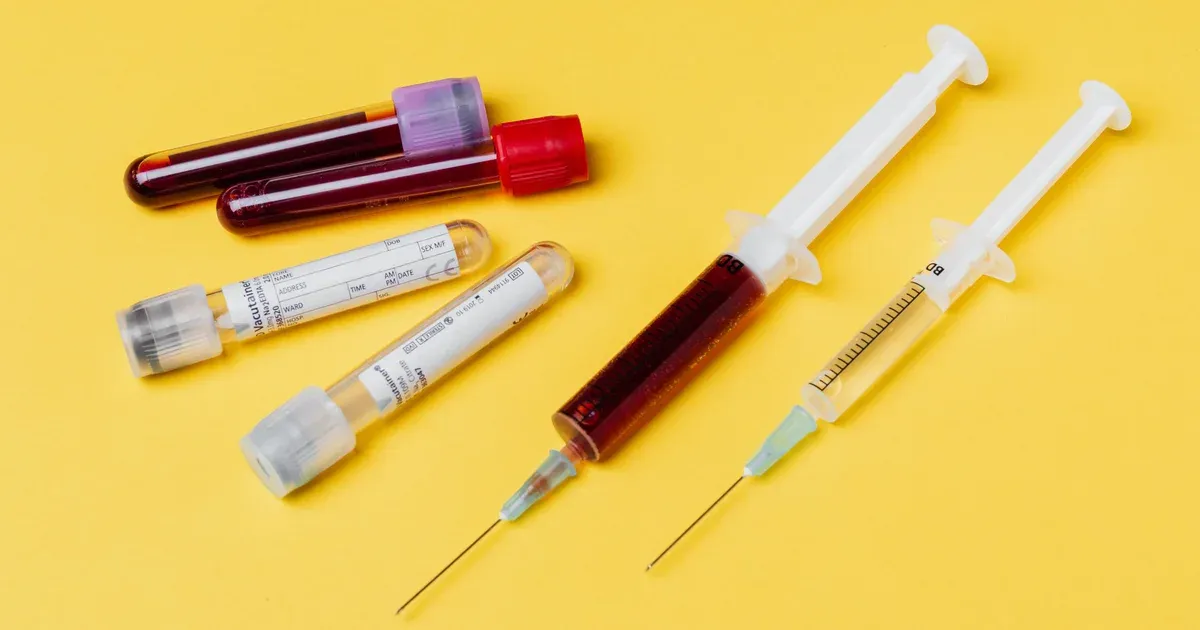
Clinical teams presented findings that suggest a standard blood test could serve as a frontline defense against cardiac deterioration. Screening protocols using specific biomarkers allow physicians to identify structural heart issues before they reach a crisis stage. Data from the trial indicates that many patients attribute their fatigue or shortness of breath to their diabetic condition or general aging. This misidentification frequently prevents the initiation of life-saving therapies that are currently available to the public.
TARTAN-HF Trial Reveals High Heart Failure Prevalence
Heart failure remains a primary driver of hospitalization for the diabetic population, yet the diagnosis often comes only after an emergency event. The TARTAN-HF study examined a broad cohort of patients to determine how many were living with asymptomatic left ventricular dysfunction. Results showed that nearly one in four participants exhibited markers of heart failure that had gone unnoticed during routine checkups. This discovery suggests that the current standard of care in primary clinics is insufficient for detecting early-stage cardiac stress.
Diagnostic inertia continues to be a major obstacle in the integration of cardiology and endocrinology. Physicians often focus on glycemic control while overlooking the subtle signs of myocardial stiffening that occur alongside high blood sugar. The presentation in New Orleans highlighted that simple screening programs could bridge this gap. By measuring levels of N-terminal pro-b-type natriuretic peptide, or NT-proBNP, doctors can gauge the pressure levels within the heart chambers without expensive imaging.
Early detection through these blood tests allows for the immediate use of disease-modifying drugs. SGLT2 inhibitors and other modern medications have shown immense promise in protecting both kidney and heart function in diabetic patients. The trial data confirms that patients identified through screening are far more likely to receive these prescriptions before permanent damage occurs. Researchers noted that the cost of a single blood test is negligible compared to the expenses associated with a week-long cardiac hospitalization.
New Orleans Conference Evaluates New Screening Standards
Delegates at the American College of Cardiology meeting discussed the logistical hurdles of implementing universal screening for all diabetic patients. ACC.26 sessions focused on how to integrate NT-proBNP testing into the existing panel of annual blood work. Laboratory facilities already possess the equipment to process these tests, meaning no new infrastructure is required for a national rollout. The primary challenge involves updating clinical guidelines to ensure that primary care providers feel comfortable interpreting the results.
A simple heart-failure screening program for people living with diabetes could dramatically improve diagnosis rates, enable the earlier implementation of disease-modifying treatments, and may reduce the risk of hospitalization and death.
Experts in New Orleans argued that the benefits of early intervention outweigh the initial costs of increased testing. Heart failure is a progressive disease, and the transition from asymptomatic to symptomatic stages can happen rapidly. Proactive screening provides a window of opportunity to stabilize the heart muscle through lifestyle changes and pharmacotherapy. Many attendees expressed concern that the current reactive model of medicine fails to use the diagnostic tools already sitting on lab shelves.
Diabetes induces a specific type of damage known as diabetic cardiomyopathy, which changes the structure of the heart over several years. This process is often silent, lacking the sharp chest pains associated with traditional heart attacks. The TARTAN-HF trial demonstrated that the prevalence of this silent damage is much higher than previously estimated by health authorities. Using the blood test as a routine filter would catch these cases during the reversible phase of the disease.
Diagnostic Breakthroughs and Therapeutic Implementation
Implementing a national screening program would likely change the prescribing habits of thousands of clinicians. When a blood test confirms heart stress, the justification for aggressive treatment becomes much clearer for both the doctor and the insurance provider. The American College of Cardiology has long advocated for a holistic approach to metabolic health, yet cardiology and diabetes care are still treated as separate silos. ACC.26 presentations emphasized that the heart and the pancreas are closely linked through inflammatory pathways.
Chronic inflammation driven by insulin resistance directly weakens the cardiovascular system. Patients with diabetes often develop a form of heart failure with preserved ejection fraction, which is notoriously difficult to diagnose without specific biomarkers. The blood test acts as a red flag, prompting further investigation with echocardiograms or specialized consultations. TARTAN-HF researchers found that identifying these patients early led to a clear reduction in long-term mortality rates.
Public health officials are now looking at the New Orleans data to determine if the NT-proBNP test should be mandated for all patients over the age of fifty who have a type 2 diabetes diagnosis. Such a policy would align with existing screenings for diabetic retinopathy and kidney disease. Early results from the trial indicate that the screening program is most effective when combined with a clear referral pathway to specialists. Without a plan for follow-up care, the test remains an isolated data point rather than a tool for change.
Screening Pathway
Medical specialization has created a dangerous vacuum where the heart and the pancreas are treated as if they belong to different patients. For decades, the healthcare establishment has ignored the obvious biological link between glucose metabolism and myocardial integrity, resulting in thousands of preventable deaths. The TARTAN-HF data presented in New Orleans is not just a scientific breakthrough; it is a scathing indictment of the silos that define modern medicine. We have had the tools to detect this silent killer for years, yet we chose to wait for patients to collapse before acting.
A simple blood test costing less than a steak dinner could have saved the global healthcare system billions if implemented a decade ago. The resistance to universal screening is rooted in a flawed economic logic that prioritizes short-term lab costs over long-term survival. Insurance companies and government health bodies must stop haggling over the price of an NT-proBNP test and look at the mounting invoices from intensive care units. If a physician manages diabetes without checking the heart, they are only doing half the job.
Diagnostic inertia is the silent accomplice of chronic disease. The medical community must move beyond the ACC.26 presentations and demand a total overhaul of diabetic care pathways. We are no longer at a time where ignorance is an excuse for late-stage diagnosis. Data is clear, the technology is available, and the patients are waiting. Anything less than a mandatory screening protocol for every diabetic patient is a failure of clinical leadership. Stop testing only when people are dying.