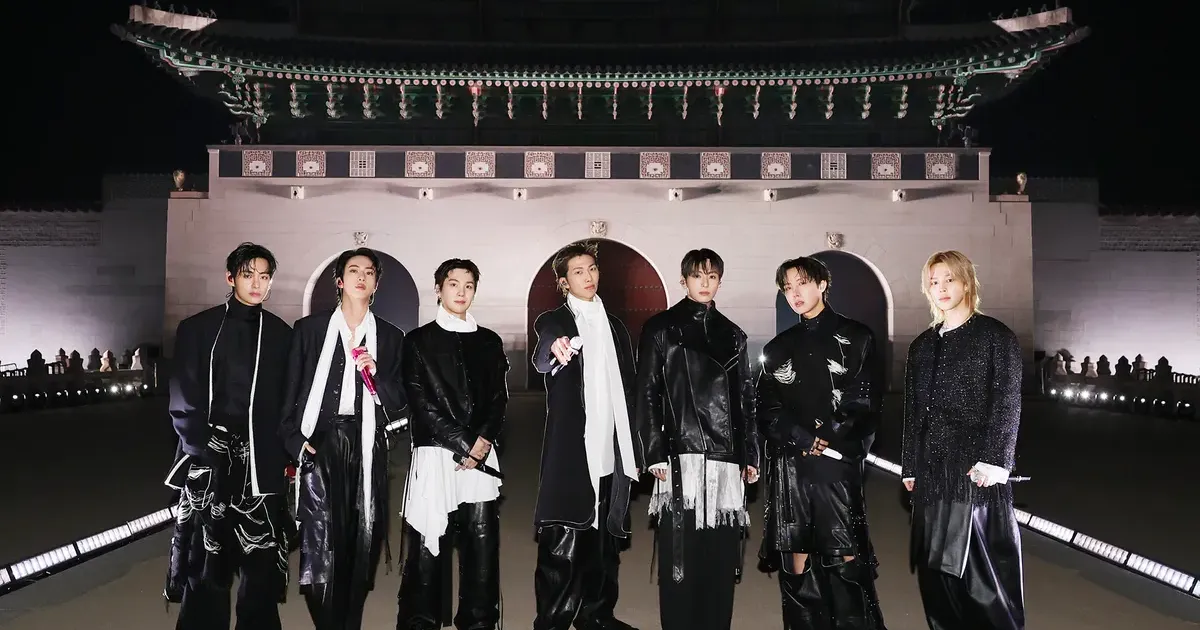
The chart result turned a comeback cycle into a global industry signal. For fans, the release also restored a familiar ritual. BTS returned to the summit of the global music industry on March 29, 2026, when the group's latest studio effort Arirang secured the number one position on the Billboard 200 chart. Success arrived through a coordinated promotional campaign that spanned three continents and targeted both traditional collectors and digital listeners. Final data confirmed the album moved 641,000 equivalent album units in its first seven days.
Such figures represent the largest single-week total for any group in more than ten years.
Data provided by Luminate and reported by Billboard showed that 532,000 of those units came from pure album sales. Physical copies, including multiple collectible CD editions and vinyl records, drove the bulk of domestic consumption. Digital downloads also contributed sharply to the final tally, while streaming accounted for the remaining 109,000 units. These results highlight a persistent demand for physical media within the K-pop genre, a trend that continues to defy broader industry declines in plastic disc manufacturing.
Statistical Breakdown of Arirang Sales Performance
Arirang marks the seventh time BTS has reached the top of the American album charts. Achievement on this scale places the septet in an elite bracket of artists who maintain high-volume commercial viability long after their initial debut. Pure sales figures are particularly striking, as most contemporary pop releases rely on streaming equivalent units to inflate their chart positions. The 532,000 pure sales for Arirang suggest a consumer base that prioritizes ownership over temporary access. BTS has earned its seventh No. 1 album on the Billboard 200 with Arirang, scoring the biggest sales week for an album by a group in over a decade, Variety reported.
Collectors purchased various versions of the album to acquire exclusive photobooks and randomized trading cards. This strategy, common in the South Korean music industry, ensures that single fans often buy multiple copies of the same record. Individual sales counted toward the Billboard total as long as they met the retail price thresholds established by the chart's governing body. Retailers reported stock shortages for the deluxe edition within forty-eight hours of the release date.
Comparative Analysis of Group Records Since 2016
Comparison with previous record holders illustrates the magnitude of the current achievement. No musical group has reached these heights since the mid-2010s, a period when the industry still leaned heavily on digital track sales. Recent chart-toppers from the Western pop world typically peak between 200,000 and 400,000 units. BTS, however, managed to nearly double those benchmarks without the benefit of an enormous radio airplay lead-in for the lead single. Market observers point to the high-level of organization within the group's fan base as a primary driver for these numbers. Fans can look forward to seeing the group's March comeback featured in upcoming television performance appearances.
While Bloomberg suggests the group's power stems from corporate cooperation, Reuters' sources claim the grassroots mobilization of fans is the true catalyst. Both perspectives agree that the traditional marketing funnel has been replaced by a direct-to-consumer model. This model bypasses traditional media gatekeepers. Revenue from merchandise bundles, once a staple of chart manipulation, was excluded from these totals due to updated Billboard rules. The absence of such bundles makes the 641,000-unit figure even more serious for the group's legacy.
Strategic Return After Six Year Studio Hiatus
Fans waited six years for a full-length studio LP, the longest gap in the group's history. During the intervening years, members focused on mandatory military service in South Korea and individual solo projects. Absence appears to have increased market appetite. Analysts at Big Hit Music reported that pre-order volumes for Arirang exceeded those of their 2020 release, Map of the Soul: 7. The hiatus provided a natural reset for the group's sonic direction, allowing them to experiment with traditional Korean instruments and folk melodies. Arirang derives its name from a traditional Korean folk song often considered the unofficial national anthem of the country. Choice of this title reflects a desire to ground the group's global stardom in their cultural heritage. Lyricism throughout the album addresses themes of identity, homecoming, and the passage of time. Music critics noted that the production quality is a stay against the trend of overly compressed, short-form tracks designed for social media virality. Longer track lengths and complex arrangements characterize the majority of the eighteen-song tracklist.
Physical Sales Resilience in a Streaming Economy
Streaming platforms like Spotify and Apple Music recorded over 150 million plays for the album tracks within the first week. Despite these high digital numbers, the physical product remain the dominant force in the BTS economic engine. Vinyl production for the album was outsourced to three different plants to meet global demand. International shipping logistics presented a minor hurdle, yet the majority of pre-orders reached customers by the Tuesday following the release. Target and Walmart reported that Arirang was the most searched item in their entertainment departments throughout March.
Growth in the vinyl sector for K-pop artists indicates a change in how younger audiences value real goods. Rare pressings of the album are already appearing on secondary markets like eBay for triple their retail price. HYBE, the parent company of Big Hit Music, saw its stock price increase by 4.2 percent following the official Billboard announcement. Institutional investors view the success of Arirang as a proof of concept for the group's longevity in the post-military service phase of their career. Global tours are expected to follow this chart success later in the year.
Why The Comeback Landed
Financial analysts who view the music industry through a lens of traditional obsolescence are looking in the wrong direction. The success of Arirang is not a victory for music; it is a victory for a sophisticated, quasi-religious economic ecosystem that operates outside the laws of typical consumer behavior. While other artists struggle with the ephemeral nature of streaming, the BTS machine has successfully commodified loyalty into a high-margin physical asset. This is a masterstroke of supply-chain management disguised as art.
Will this model survive another decade? Skepticism is warranted. The current numbers are strengthened by a backlog of demand from a six-year hiatus, creating a unique spike that may not be repeatable. HYBE is essentially running a luxury goods business where the product is a human identity. The risk stays concentrated in the group's ability to maintain a pristine public image, as any fracture in the parasocial bond would collapse the valuation of these physical collectibles. For now, the group has proven that you can still sell plastic at a premium if you wrap it in enough cultural significance. BTS is the only entity in the world capable of making a CD feel like a gold bar. Total dominance.