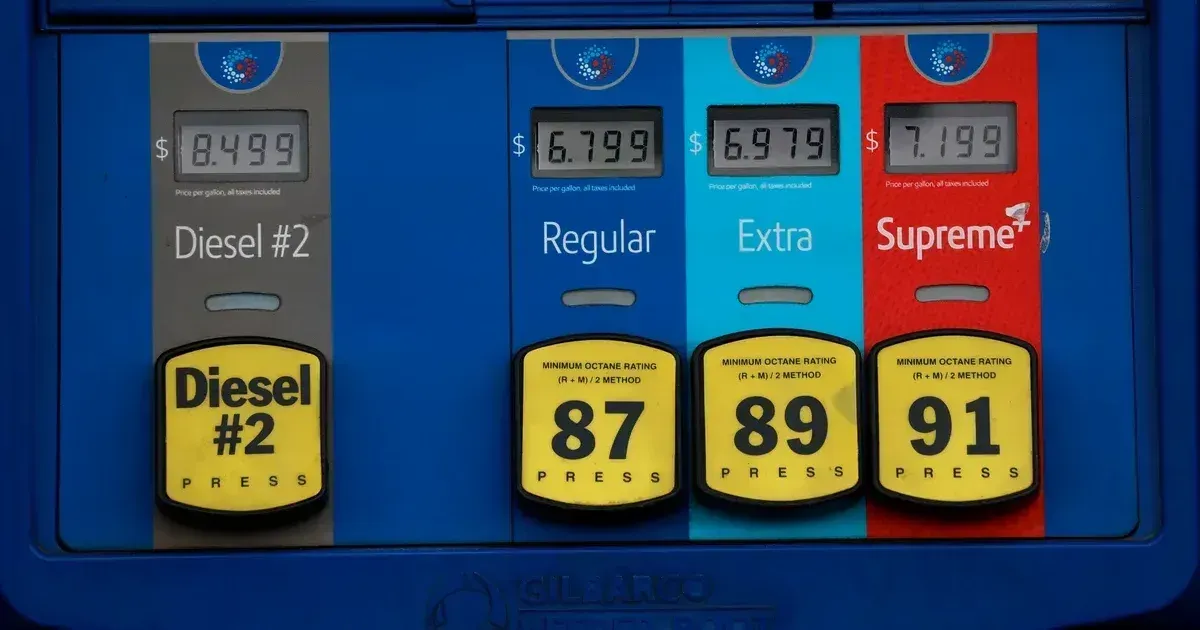
The lawsuit turns a familiar complaint about high pump prices into a newer question about software. Regulators and courts now have to decide when algorithmic pricing becomes coordination. California drivers have sued major gas station operators, alleging that artificial intelligence pricing tools helped coordinate pump prices and extract more money from consumers.
The lawsuit names companies including BP, Circle K, Marathon, 7-Eleven, Walmart and Albertsons, according to Reuters reporting published by the Guardian on June 22, 2026. The complaint is aimed at alleged pricing behavior, not at a single refinery shock or one company's local price decision.
The case accuses the operators of using algorithmic pricing in a way that allegedly aligned prices across competitors rather than simply helping each company respond to market conditions.
The claim arrives as antitrust lawyers, regulators and courts are still working through how old competition rules apply when software, data feeds and pricing recommendations replace smoke-filled-room coordination. The gasoline market is a useful test because drivers see prices daily and regulators already track regional price movement closely.
Algorithmic Pricing Claim
The lawsuit's central theory is that shared or similar pricing technology can become a coordination mechanism. If competitors all feed data into comparable systems and follow similar recommendations, plaintiffs argue the outcome can resemble collusion even without an explicit agreement to fix prices. That is the legal hinge of the case: whether software can create the practical effect of coordination while leaving fewer human communications for investigators to find.
That makes the case different from an ordinary complaint about high fuel costs. California pump prices can move with crude markets, refinery outages, taxes, seasonal-blend rules and local supply disruptions. The plaintiffs therefore have to show that Kalibrate's software produced a separate, coordinated effect rather than merely reflecting those pressures.
The named companies have not been found liable. They can argue that prices reflect wholesale fuel costs, taxes, location, supply conditions and ordinary competitive decisions rather than unlawful coordination. At this stage, the lawsuit is an allegation, and the defendants will have opportunities to challenge the facts, the market definition and the theory that AI tools produced unlawful coordination.
Still, the case fits a larger pattern of scrutiny around automated decision systems, including the EU order forcing Meta to reopen WhatsApp access to rivals.
Antitrust Pressure
Antitrust cases usually look for an agreement among competitors. Here, the plaintiffs invoke California's Cartwright Act and Assembly Bill 325, a state law aimed at algorithmic price-fixing. They point to Kalibrate's AI-based pricing tool and its use of competing-station data. Their theory is that repeated acceptance of the same recommendations can align prices without the direct communications associated with a traditional cartel.
Using pricing software is not illegal by itself. The question is whether each operator continued to set prices independently or whether the tool made rivals' moves more predictable and discouraged discounting.
The complaint says pump prices rose by as much as 30 cents a gallon in areas where a high proportion of stations used the tool. It estimates that every additional penny costs California drivers $134 million a year. Those are allegations, not findings, but they give the algorithmic collusion claim a concrete measure for the court to test.
Market Signal
The case will be watched because it could help define how much evidence plaintiffs need to connect AI pricing tools to real-world price increases. If the complaint survives early challenges, discovery could probe contracts, data inputs, recommendation logs and whether operators overrode or followed software output. Those records could show whether the system merely informed independent decisions or became a practical substitute for coordination across local fuel markets and regional retail corridors. Courts may ask whether the software was shared, whether operators knew how rivals used it and whether prices moved in ways that ordinary market conditions cannot explain.
Regulators are likely to study those same facts. A strong case could encourage more investigations into pricing tools in rent, hotels, groceries, rides, insurance and other markets where companies rely on fast-moving algorithms.
Responsibility will turn on what the records show: which data were shared, how often operators followed recommendations and whether the vendor or its customers understood the effect on discounts. The California case may help define when a pricing system stops informing independent decisions and starts functioning as a coordination mechanism. That boundary will matter well beyond fuel retailing.