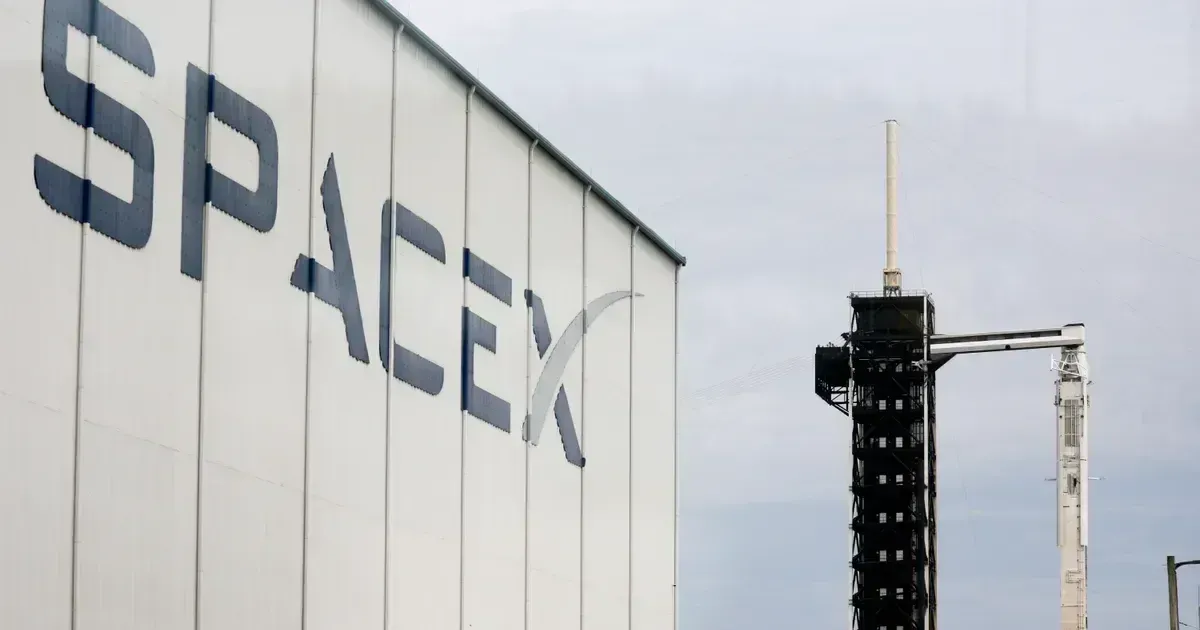
SpaceX is preparing a record-setting initial public offering that could value the company at $1.77 trillion. The company disclosed plans on June 3, 2026, to raise up to $75 billion, setting up what would be the largest stock market debut in history if investor demand holds.
The offering would move one of the world’s most closely watched private companies into public markets after years of speculation, giving analysts their first regular look at financials that private investors have long valued aggressively. That transparency will matter once trading begins, expectations reset and investors compare promises with quarterly operating numbers. It would also give investors direct access to a business built around rocket launches, Starlink satellite internet and long-term plans for space infrastructure. The public filing turns those ambitions into a testable market thesis: investors must decide whether SpaceX should trade like a high-growth technology platform, a defense contractor, a telecom network or some blend of all three.
For founder Elon Musk, the listing could sharply increase personal wealth because of his large ownership stake. The impact would not come only from the first-day valuation; it would also depend on how much control he retains, how voting shares are structured and whether public investors believe SpaceX can keep expanding without losing its technical pace. A debut of this scale would make every disclosure about Starlink growth, launch cadence and capital spending more important than it was while the company remained private. Reports on the filing said the proposed valuation could put him on course to become the world’s first trillionaire if the public-market price is sustained.
A Record IPO With Unusual Scale
The proposed $75 billion raise would easily exceed previous IPO records. SpaceX has already become central to the commercial launch industry, but a listing at this scale would make the company one of the most valuable public corporations from its first day of trading.
Investors are likely to focus on whether SpaceX can justify a valuation normally reserved for the largest technology platforms. The company’s strongest case is that it combines launch services, satellite internet and future space infrastructure in a single business. That combination is difficult to compare with existing public companies, which is why the opening valuation will draw intense scrutiny from portfolio managers and index funds. Its risk is that those ambitions require heavy capital spending and repeated technical execution.
Starlink remains a key part of the financial story. Satellite internet revenue gives SpaceX a recurring business that is easier for investors to model than deep-space projects. The IPO proceeds are expected to support Starlink expansion, rocket infrastructure and other capital-intensive initiatives tied to the company’s long-range plans.
What Public Investors Will Watch
Public status would bring new scrutiny to a company that has operated with more privacy than most firms of its size. Investors who previously relied on private-market estimates would gain regular disclosures, but they would also expect clearer explanations when launch setbacks, satellite costs or development timelines change. Quarterly reporting would give investors a clearer view of margins, capital spending, launch economics and the relationship between SpaceX’s commercial businesses and its government contracts.
NASA and other federal contracts give SpaceX a durable revenue base, but they also expose the company to procurement cycles and political oversight. Commercial launch customers, telecom partners and satellite-service users add other revenue channels, making the company more diversified than a pure rocket manufacturer.
The Starship program remains one of the biggest variables. Successful development could open new markets in heavy-lift launch, lunar missions and eventually Mars-related transport. Setbacks could create pressure on a valuation that assumes SpaceX keeps converting technical milestones into scalable businesses.
Market Pressure and Musk’s Control
A public SpaceX would force major funds to decide how much exposure they want to the space economy. The size of the offering also means the debut would not be a niche aerospace event; it would be a major liquidity moment for technology, industrial and growth investors at the same time. Index inclusion, retail demand and institutional allocations could all affect trading in the first weeks. A deal of this size may also draw capital away from other technology and aerospace names as investors rebalance portfolios.
Musk’s control will be another focus. Founder-led companies can move quickly, but public shareholders often demand clearer governance, steadier communication and more predictable capital allocation. SpaceX’s ability to preserve its engineering culture while satisfying public-market expectations will shape how the listing is received after the initial excitement fades.
The broader question is whether investors will treat SpaceX as an aerospace contractor, a telecom platform, an AI-adjacent infrastructure company or a new category altogether. The answer will determine whether the $1.77 trillion valuation looks like a bold opening price or an early marker for a larger shift in how markets value space-based businesses. Public investors will also want clearer answers on launch margins, Starlink subscriber growth and how much capital future Mars-related projects could absorb.