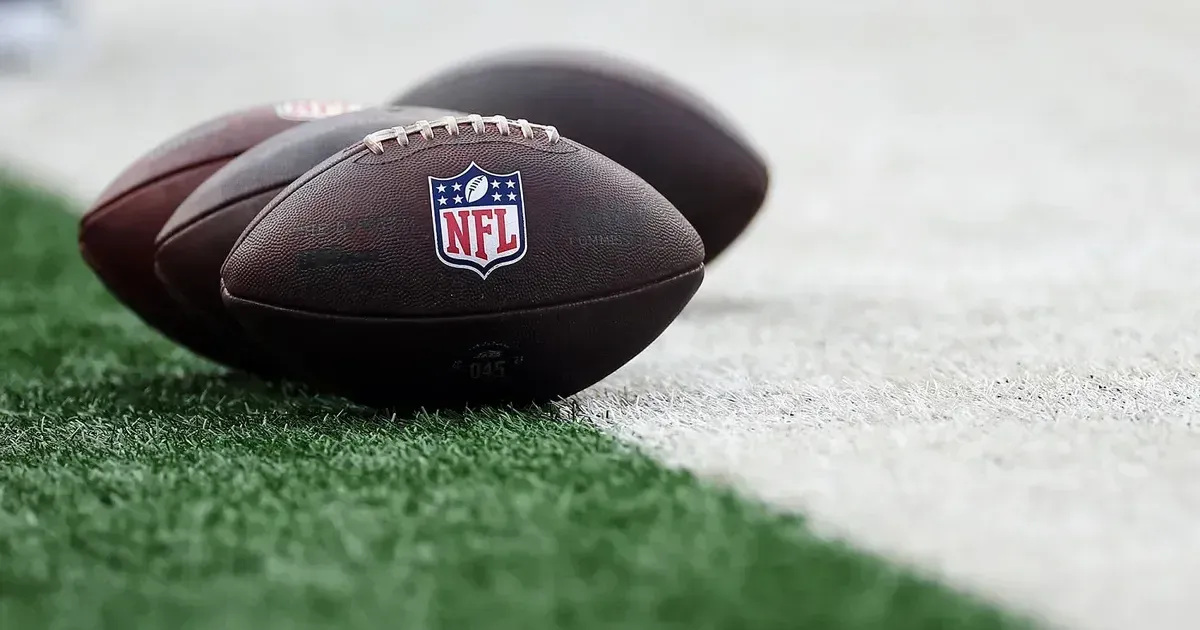
Justice Department officials launched a formal investigation into the National Football League over subscription fees and possible anticompetitive behavior. Investigators are reviewing whether the league used its market power to push consumers into expensive broadcast packages. The probe followed pressure from consumer groups and lawmakers focused on sports media pricing on April 9, 2026. The inquiry arrives as live sports have become the most valuable remaining anchor for television bundles. Fans increasingly need multiple services to follow a full season, and the cost of access can rise even when households are trying to cut traditional cable bills. That tension has made football pricing a regulatory target.
NFL Media Power and Consumer Costs
The NFL's market position is unusual. Its games drive enormous audiences, strengthen streaming platforms and keep broadcast networks relevant. That power gives the league leverage in rights negotiations, but it also invites questions about whether consumers are being forced into inefficient or overpriced packages.
Antitrust investigators will likely examine how rights are divided, how exclusive packages are priced and whether distribution rules limit competition. A high price alone does not prove illegal conduct. The legal issue is whether the structure of deals unfairly restricts consumer choice or protects market power.
Streaming Changed the Complaint
For years, fans complained about cable bundles that included channels they did not want. Streaming promised more choice, but sports rights have often moved in the opposite direction. A fan may need local broadcasts, national networks, a premium Sunday package and a separate streaming service to see every game.
That fragmentation creates political risk for the league. Football remains culturally central, so access disputes are not treated like ordinary entertainment pricing. Lawmakers hear from constituents who believe they are paying more while receiving a more confusing product.
The business stakes are large because national football broadcast, streaming, mobile-package, local-market and playoff rights support an entire media ecosystem. Networks, streamers, advertisers and teams all price their plans around access to games. If regulators force more flexibility, the change could reach beyond one subscription product and alter how future sports packages are built.
What Regulators Could Examine
The Justice Department could look at contracts, exclusivity terms, revenue-sharing arrangements and communications with media partners. It may also compare NFL practices with other leagues to determine whether football's structure creates unique barriers for rivals or consumers.
The league will argue that media rights fund teams, players, production quality and broad availability across multiple platforms. It can also point out that premium sports packages have existed for decades. The question is whether the modern version crosses a legal line as streaming changes how consumers buy access.
The investigation does not guarantee enforcement. It does, however, put pressure on the NFL and its partners to explain why the current system benefits fans as well as rights holders. If regulators find harmful restrictions, the probe could influence future broadcast negotiations and the design of football streaming products.
Teams and broadcasters will also follow the probe closely. Media revenue supports salary caps, franchise valuations and long-term planning across the league. Any regulatory pressure on packaging could therefore ripple through contracts that were negotiated around assumptions of exclusivity and premium pricing.
Consumers, however, experience the issue more simply. They want to know why watching a full season requires so many payments and logins. That frustration gives the investigation political force even before any legal conclusion is reached.
The most likely near-term effect is caution in future rights talks. Platforms may seek clearer consumer-facing options, while the league may try to show that its distribution model still offers broad access. If the Justice Department finds stronger evidence, the case could become a major test of antitrust law in the streaming era.
The probe also arrives as regulators are looking more broadly at platform power and consumer lock-in. Sports rights may seem different from technology markets, but the underlying question is similar: whether a dominant gatekeeper can structure access in ways that leave buyers with little practical alternative. Football's popularity gives the case unusual visibility. A dispute over a niche product might stay inside legal circles. A dispute over NFL access reaches households, bars, advertisers and local broadcasters. That breadth is why the league will treat the investigation as both a legal matter and a public relations challenge. For fans, the legal framing matters less than the outcome: whether the next media cycle makes football easier to watch or more expensive to follow. That consumer test will shape the public response to whatever investigators eventually find. The investigation may also influence negotiations before any case is filed. Leagues and media partners often adjust contract language when regulators begin asking questions, especially if consumer anger is already visible. That means fans could see changes in packaging or transparency even without a courtroom fight. The NFL's challenge is to defend the value of its rights while showing that access has not become needlessly fragmented. If it cannot make that case, the legal risk will be matched by reputational pressure. Sports leagues depend on public loyalty as much as on contract language, and fans will judge the investigation by what happens to access and pricing.