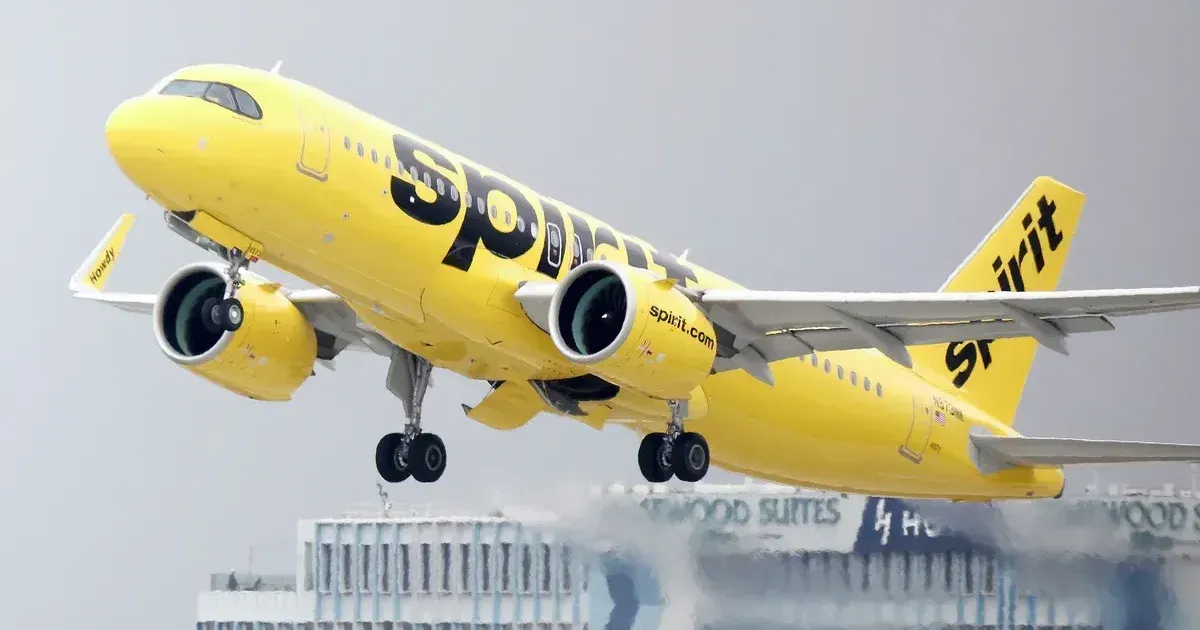
Spirit's shutdown turned a failed rescue negotiation into an immediate travel problem. Federal bailout talks collapsed just before Spirit Airlines announced that it would stop flying. Executives confirmed the shutdown on May 2, 2026, after the low-cost carrier failed to secure a proposed $500 million rescue package from the Trump administration. The decision ended weeks of uncertainty for passengers, employees and creditors as the airline moved from bankruptcy talks into an immediate operational wind-down. It also made Spirit one of the most consequential US airline failures in years because the carrier had been a major source of fare pressure on leisure routes. Passengers will now have to seek refunds, rebook on rivals or wait for bankruptcy instructions on unused tickets. Airports that depended on Spirit for low-cost volume could also lose service on routes that larger carriers had little incentive to price aggressively. The shutdown also changes bargaining power for rival airlines. If capacity disappears from vacation-heavy routes, competitors can raise fares more easily and airports may have fewer tools to attract replacement service quickly. Labor groups will watch the shutdown closely because airline failures can scatter workers across airports, maintenance vendors and reservation systems. The result is more than fewer flights; it is a sudden employment shock in cities where Spirit had become a regular employer. Regulators will also face questions about whether intervention came too late or whether the airline had become too weak for public money to stabilize it. That distinction will shape how Congress talks about future bailouts for distressed carriers. The episode also gives consumer advocates a concrete example of how quickly budget-airline disruption can become a national service problem. That example will matter the next time a carrier asks Washington for emergency help. Investors will compare that outcome with earlier airline rescues and bankruptcy fights.
Spirit said it had begun an orderly shutdown of its network, including the grounding of aircraft and the cancellation of active flight schedules. The company framed the decision as a structured exit rather than a disorderly airport collapse, but the practical effect was immediate for travelers holding tickets and employees waiting for instructions. Spirit had already been operating under severe financial stress after a second bankruptcy filing and rising fuel costs tied to the broader Iran war shock.
Bondholders played a decisive role in the carrier's failure to land a rescue. CBS News and other outlets reported that talks over a federal aid package stalled after creditors balked at proposed restructuring terms. The administration had considered support partly to preserve competition in the budget travel sector, but the plan depended on a broader agreement over debt, claims and future control of the airline. Earlier reporting said the government proposal could have involved a large federal ownership stake, making the talks politically sensitive as well as financially complex.
Bailout Talks Collapse
The proposed aid package was tied to the airline's second bankruptcy in less than two years. Spirit had been squeezed by heavy debt, higher fuel costs and the operating pressure that comes with an ultra-low-cost model. A bailout could have bought time, but it did not solve the deeper question of whether the airline had a credible path back to sustainable profitability. The carrier had already tried to restructure around a business model that depends on high aircraft utilization, ancillary fees and enough demand from price-sensitive travelers to offset thin margins.
Creditors reportedly resisted terms that would have changed the seniority of claims or limited future financial upside. Government officials, meanwhile, faced the political risk of putting taxpayer money behind a carrier already struggling to prove that it could survive. Once those interests failed to align, the $500 million lifeline was no longer enough to keep the airline flying.
Spirit's shutdown also shows how fragile discount aviation can become when fuel prices rise and debt service consumes cash. The airline built its brand around low fares, optional fees and high aircraft utilization. That model can pressure larger rivals during stable periods, but it leaves little room when financing, labor and fuel costs all move against the carrier at once.
Passenger and Employee Impact
The most immediate consequences fall on passengers with future bookings. Reports advised customers to watch the airline's official channels for refund instructions and to contact credit card providers if paid services are not delivered. Rival carriers said they were prepared to assist some stranded customers, though replacement seats may not match Spirit's usual fare levels. That distinction matters for families who chose Spirit because the base fare was low enough to make a trip possible in the first place.
Employees also face a sudden transition. Pilots, flight attendants, airport staff and maintenance workers now have to navigate a shutdown that affects schedules, pay, benefits and potential transfer opportunities. Even when a wind-down is described as orderly, aviation workers can be left dealing with stranded crews, uneven information and a compressed job-search timeline.
The shutdown is likely to affect airports where Spirit had meaningful route share. Fewer ultra-low-cost seats can reduce fare pressure on larger airlines, especially on leisure routes where Spirit competed aggressively. Some capacity may be absorbed over time, but passengers are unlikely to see every route replaced at the same price point.
Market Impact for Budget Travel
Spirit's exit removes one of the most visible price disruptors from the American aviation market. Larger airlines may benefit from reduced fare competition, while other budget carriers will face pressure to prove that their own balance sheets can withstand fuel volatility and tighter credit. Investors will watch whether lenders demand stricter terms from similar high-risk operators.
The failed bailout also sets a policy signal. Washington showed interest in preventing a major low-cost carrier from disappearing, but not at any cost and not without creditor cooperation. That precedent may matter for other capital-intensive companies that hope federal support can bridge a liquidity crisis.
For travelers, the long-term question is whether ultra-cheap domestic flying becomes less common. Spirit helped normalize bare-bones fares even for customers who never flew the airline, because competitors had to respond to its pricing. Without that pressure, the budget end of the market could become smaller, more expensive and more dependent on a few surviving carriers.