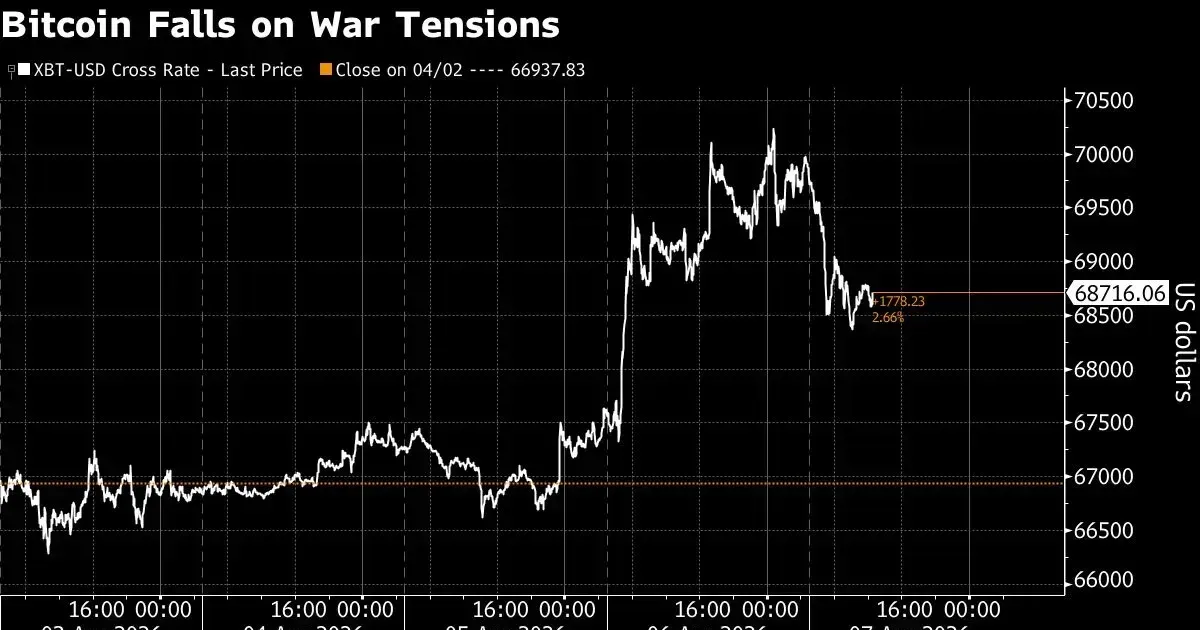
Markets moved defensively as the White House deadline on Iran pushed energy risk back to the center of trading. Oil climbed, crypto weakened and investors treated the Strait of Hormuz as the main variable in the next inflation shock.
The pressure intensified on April 7, 2026, after Donald Trump tied the ultimatum to the reopening of the waterway. For traders, the question was not only whether a strike would happen, but how long shipping, insurance and fuel costs would stay disrupted. That uncertainty changes hedging behavior before any missile is launched, because companies with fuel exposure cannot wait for perfect clarity.
Oil Prices Move on Supply Fear
Oil prices rose for a third session as traders prepared for the possibility that Gulf shipping could become unreliable. Brent crude moved toward the upper end of recent ranges, while insurers and freight operators reassessed the cost of sending tankers through the Persian Gulf. The move also forced airlines, refiners and logistics firms to revisit assumptions built only weeks earlier.
The Strait of Hormuz matters because it is not an ordinary route. A substantial share of global crude and liquefied natural gas passes through the chokepoint, so even a temporary disruption can raise fuel, transport and food costs far from the Middle East. The effect would reach consumers through gasoline, diesel, airfares and imported goods rather than through one visible market alone.
Energy desks were also watching whether governments would release strategic reserves or wait for clearer signs of military action. That decision matters because early reserve use can calm prices for a few days, but it cannot replace a functioning shipping lane if the crisis lasts.
Refiners in Europe and Asia face the most immediate planning problem. If cargoes are delayed or diverted, they must either pay more for replacement barrels or draw down inventories at a moment when traders are already nervous about future supply.
Bitcoin Trades Like a Risk Asset
Bitcoin weakened during Asian trading as investors moved toward the dollar, gold and shorter-duration cash positions. The move challenged the idea that digital assets automatically behave like havens during geopolitical stress. In practice, the asset often reacts to liquidity conditions, leverage and sentiment before it reacts to long-term narratives.
Institutional flows help explain the shift. When portfolios face a sudden oil shock, managers often sell liquid risk assets first to raise cash or reduce volatility. Crypto can fall in that process even if some long-term holders still describe it as an alternative store of value.
The reaction also affected technology shares and emerging-market currencies. Higher energy costs make inflation harder to control, and that raises the chance that central banks keep rates restrictive for longer than investors expected. A longer restrictive period can pressure growth companies whose valuations depend on cheaper future financing.
That matters for borrowing costs. If investors believe the oil shock will last, bond yields can rise even as growth expectations weaken, creating an uncomfortable mix for companies already dealing with higher input costs.
Hormuz Risk Spreads Through Freight
Shipping companies began evaluating delays, rerouting and higher insurance costs before any formal closure occurred. Some vessels can wait outside the Gulf, but that choice tightens supply because cargo arrives later and refineries must compete for replacement barrels. The delay itself becomes a cost even if a full blockade never happens.
The most exposed economies are those that import large amounts of energy and have limited fiscal room to shield households. A price near $110 per barrel can quickly move from a market headline into fuel subsidies, transport bills and political pressure. Governments then face a difficult choice between absorbing the shock through budgets or allowing households to pay more directly.
Manufacturers also face second-order costs. If freight rates climb at the same time as energy, importers pay more for raw materials, shipping and financing. That combination can weaken margins even in countries not directly involved in the conflict.
Currency markets are part of the same chain. Energy importers often see their currencies weaken when oil rises, which makes the next shipment even more expensive in local terms and forces central banks to defend stability. That feedback loop is why a regional security event can quickly become a balance-of-payments problem for countries with heavy fuel imports.
Markets Need an Exit Ramp
The market is not pricing rhetoric alone. It is pricing the possibility that a shipping chokepoint handling a major share of global oil could become unreliable for weeks or months. That is why risk premiums can remain elevated even when there is no immediate physical shortage.
An exit ramp matters for the same reason. Without a diplomatic off-ramp, every headline around Hormuz becomes a pricing event for energy, transport, currencies and risk assets. A credible pause would not erase the shock immediately, but it would give traders something other than worst-case assumptions to price.