Central bankers in Washington, Frankfurt, and Moscow responded to escalating market volatility on April 24, 2026, by charting radically different paths for interest rates. Conflict in the Middle East has fractured the post-pandemic recovery, creating a landscape where national priorities outweigh global cooperation. Economic data released during the last 24 hours suggests that the era of synchronized monetary policy has effectively ended. Rising energy costs drove consumer prices higher in the United States, while growth stagnation in Russia forced a surprising cut in borrowing costs. Markets now face a period of prolonged uncertainty as different regions prioritize domestic stability over global inflation targets.
Economists at major financial institutions revised their US inflation forecasts upward on April 24, 2026. High energy costs, a direct consequence of the Iran war, have seeped into the core components of the American economy. Previous expectations for multiple interest rate reductions by the Federal Reserve have evaporated. Wall Street analysts now anticipate only a single rate cut for the remainder of the year. This shift reflects a stubborn inflationary environment that refuses to cool despite previous tightening cycles. Gasoline prices at the pump reached a nationwide average of $5.15 per gallon.
US Inflation Forecasts Rise with Energy Costs
American households are feeling the strain of a conflict located thousands of miles away. Transportation costs for consumer goods rose by 14% over the last fiscal quarter. Supply chains, already fragile, suffered fresh disruptions as shipping through the Strait of Hormuz remained contested. These factors forced the Federal Reserve to maintain its hawkish stance longer than most traders anticipated. Economists at Bloomberg Economics noted that the resilience of the labor market provides the central bank with the necessary cover to keep rates elevated. Unemployment remains steady at 3.8%.
Persistent price pressures have fundamentally altered the timeline for monetary easing. Jerome Powell and his colleagues at the central bank face a delicate balancing act. Raising rates further could trigger a recession, yet cutting them prematurely might allow inflation to spiral out of control. Most analysts agree that the risks are currently skewed toward the latter. Consumer confidence indices fell to a twelve-month low as the public adjusted to a higher-for-longer interest rate reality. The cost of a thirty-year fixed mortgage has stayed above 7% for three consecutive months.
Energy remains the primary culprit for the stalled progress on inflation. Brent crude oil prices breached $105 per barrel as military operations continued in the Persian Gulf. Domestic oil production in the United States has not been sufficient to offset the loss of Iranian supply and the resulting anxiety in global markets. Refineries are operating at near-maximum capacity, but the high cost of crude keeps the price of refined products elevated. Diesel prices, which impact the cost of nearly every physical good, reached record highs in the Midwest.
Peter Kazimir Signals European Rate Hikes
European Central Bank Governing Council member Peter Kazimir introduced a new layer of complexity to the global outlook. While the United States considers when to cut rates, some European officials are now discussing the need for a potential increase. Kazimir suggested that the inflationary shock of the Iran war might require more aggressive intervention to keep price expectations anchored. This position contrasts sharply with the dovish sentiment prevalent in Frankfurt only a few months ago. Energy dependence on external sources makes the Eurozone particularly vulnerable to Middle Eastern instability.
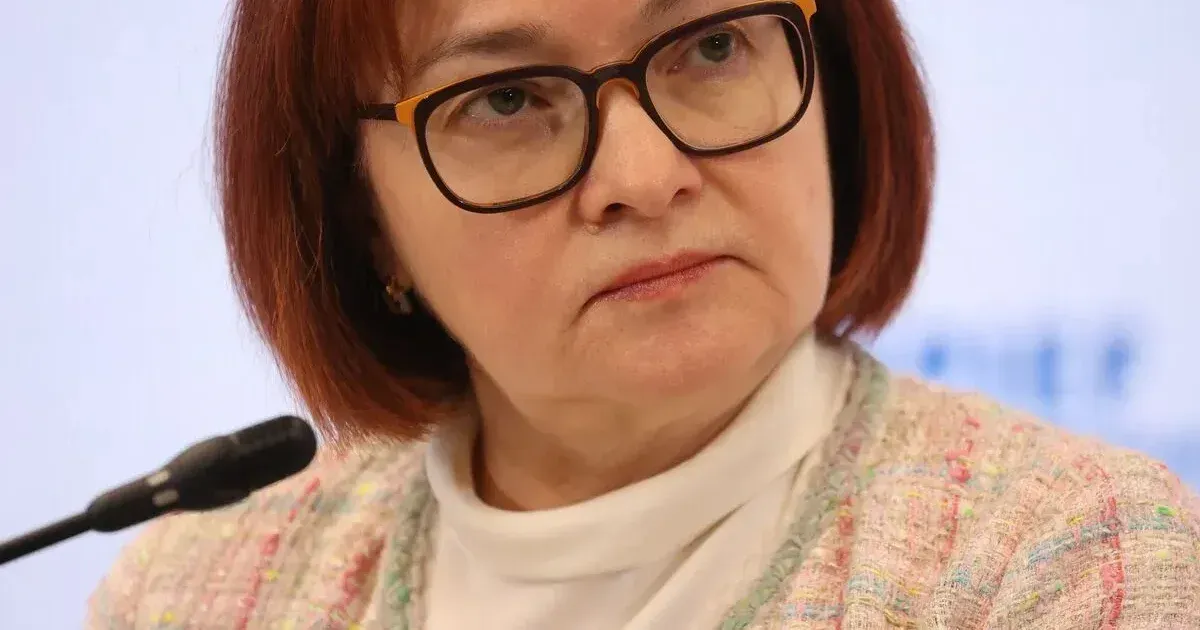
Russia’s central bank continued lowering borrowing costs, delivering some relief to an economy that was losing steam while moving cautiously amid uncertainty over the budget and the war in the Middle East.
Kazimir argued that ignoring the current geopolitical reality would be a mistake. He pointed to the rising costs of imported energy as a secondary inflation driver that could eventually affect wages. Labor unions in Germany and France are already demanding higher pay to compensate for the loss of purchasing power. If a wage-price spiral takes hold, the European Central Bank will have little choice but to tighten policy. Such a move would be controversial given the stagnant growth currently observed across much of the continent. Industrial production in Italy fell for the fourth straight month.
Divergent views within the Governing Council reflect the geographic unevenness of the economic impact. Eastern European nations, more sensitive to energy price fluctuations, tend to align with the more hawkish perspectives. Southern European economies, burdened by high debt levels, prefer a more cautious approach to rate hikes. The disparity in national interests makes reaching a consensus difficult for ECB President Christine Lagarde. Every basis point increase in interest rates adds millions to the debt servicing costs of nations like Greece and Spain.
Russian Central Bank Lowers Rates Despite Budget Risks
Moscow pursued a different strategy on April 24, 2026, as the Central Bank of Russia delivered a rate cut. Officials there are focused on providing relief to a domestic economy that is losing momentum. The ongoing conflict has placed an immense strain on the Russian budget, requiring a delicate management of interest rates to prevent a full-scale contraction. Elvira Nabiullina, the bank's governor, acknowledged the risks but emphasized the need for liquidity in the private sector. Military expenditures now account for nearly 40% of the total government budget.
Fiscal uncertainty in Russia remains high. The government is attempting to balance the costs of the war with the need to maintain social stability. Cutting interest rates is a tool to encourage domestic investment, but it also risks further devaluing the ruble. A weaker currency would eventually feed back into higher inflation through more expensive imports. Despite these concerns, the immediate priority for the Kremlin is sustaining industrial output and ensuring that the banking sector remains functional. The federal budget deficit reached $32 billion in the first quarter alone.
Russia faces a unique set of challenges compared to its Western counterparts. Sanctions have limited its ability to access international capital markets, making domestic monetary policy the only lever available. The central bank must navigate a path between supporting growth and managing the inflationary pressures caused by a tight labor market. Many working-age men have been diverted to the defense sector, creating acute shortages in civilian industries. This labor scarcity is driving up wages in the manufacturing and construction sectors.
Global Energy Insecurity Redefines Monetary Policy
Oil markets have become the ultimate arbiter of central bank decisions. The price of crude is no longer just a commodity metric but a geopolitical weapon and a fiscal constraint. Since the outbreak of hostilities, the volatility of energy prices has made forward-looking economic projections nearly impossible to maintain. Hedge funds and institutional investors have increased their positions in energy futures, betting on a long-term supply deficit. The speculative activity further inflates the prices paid by consumers and businesses. Shipping insurance premiums have reached levels that threaten the viability of certain trade routes. Any vessel transiting near the zone of conflict must pay an excessive surcharge. These costs are passed down through the supply chain, eventually landing on the balance sheets of retailers and the wallets of shoppers. Global trade volumes through the Suez Canal dropped by 22% compared to the previous year. Ports in Asia are seeing a backlog of goods that cannot be safely transported to European markets. Monetary policy alone cannot fix a supply-side crisis driven by military action. Central banks can suppress demand by raising rates, but they cannot produce more oil or secure shipping lanes. The limitations of the tools available to Jerome Powell and Christine Lagarde are becoming increasingly apparent. Policymakers are essentially trying to treat a structural geopolitical wound with a cyclical monetary bandage. The realization has led to a growing sense of frustration among market participants who crave stability. Gold prices hit a new all-time high as investors sought a safe haven from the turbulence.
War Turns Monetary Divergence Into a Lasting Split
Why do we persist in the fantasy that central bankers can manage the fallout of a major regional war with the blunt instrument of interest rates? The divergence we see on April 24, 2026, is not a sign of economic health but a symptom of a global system in retreat. The Federal Reserve is trapped by energy-driven inflation, the ECB is paralyzed by its internal divisions, and Russia is desperately printing its way out of a slowing economy. It is the death of the globalized monetary order, and the funeral is being held in the halls of central banks from Washington to Moscow. Investors should stop looking at CPI prints and start looking at satellite imagery of the Persian Gulf. The physical reality of closed shipping lanes and destroyed oil infrastructure will always outweigh the theoretical projections of a spreadsheet. We are entering a period when geography is destiny. Nations with domestic energy security will survive, while those dependent on global trade will suffer chronic, unfixable inflation. The idea that a single rate cut or hike can stabilize this mess is a dangerous delusion marketed by those who benefit from the status quo. Fiscal policy has failed, diplomacy has failed, and now monetary policy is being exposed as a secondary actor in a primary geopolitical drama. Prepare for a decade of fragmentation. The era of cheap money and stable prices is over. Buy hard assets and ignore the noise.