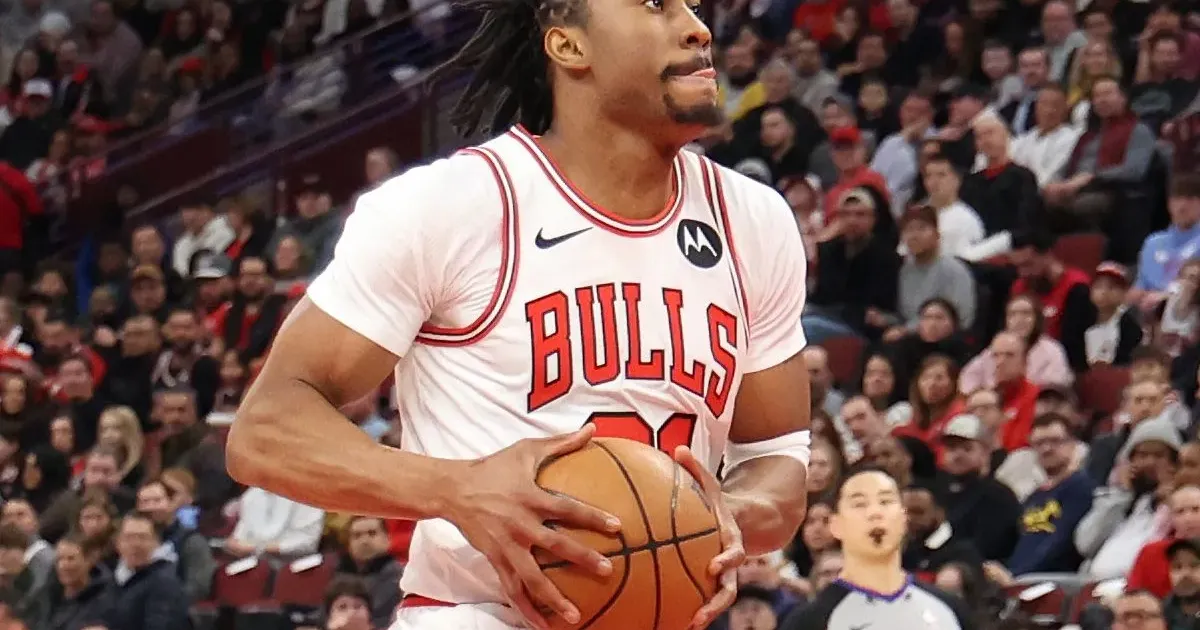
Jaden Ivey left the Chicago Bulls that week when the franchise waived the fourth-year guard following a series of viral social media posts targeting the NBA and its support for Pride Month. Chicago management officially released the former lottery pick citing conduct harmful to the team. The waiver followed the posts as they spread across NBA circles. On March 30, 2026, team announcements confirmed that Ivey, who arrived in Chicago via a trade from the Detroit Pistons, will no longer be part of the organization. Problems began when Ivey used his Instagram account to broadcast lengthy religious rants that questioned the league's inclusivity initiatives.
Fans and league officials noticed the shift in tone as Ivey struggled to return from a meaningful knee injury sustained before the 2025-2026 season. Observations of his social media activity showed a sharp increase in posts focused on religious exclusivity and opposition to LGBTQ visibility.
Chicago Bulls Terminate Ivey Contract for Conduct Harmful
Chicago officials took decisive action after Ivey directly challenged the league's annual celebrations. Ivey specifically targeted the marketing strategies used by the professional basketball community. Public records show the player had been under scrutiny for similar, though less aggressive, posts earlier in the year. Team statements emphasize that the decision stems from a breach of conduct standards rather than a specific theological disagreement. Ivey criticized the way the league invites fans to celebrate identities he described as unrighteous. Tensions within the locker room reportedly grew as these posts became more frequent during his rehabilitation process.
Experts in sports law point to the standard player contract which allows teams to sever ties if a player's public behavior damages the franchise reputation. Ivey is currently in the fourth year of his career and faces an uncertain future as a free agent. Team executives met with Ivey multiple times before the waiver to discuss his digital presence. Records indicate these meetings failed to change the player's approach to social media. $12 million in remaining salary could be subject to dispute depending on how the league office views the conduct harmful claim.
The world proclaims LGBTQ, right? They proclaim Pride Month, and the NBA do too. They show it to the world. They say, ‘Come join us for Pride Month, to celebrate unrighteousness.’
Ivey delivered these remarks during a live stream that quickly circulated across various sports news platforms. Responses from the player's union have yet to be publicized. Legal analysts suggest that Jaden Ivey may file a grievance through the National Basketball Players Association. Such filings are common when a team utilizes the conduct harmful clause to void future salary obligations. Chicago has struggled with mediocrity for several seasons and viewed Ivey as a potential foundation for their rebuilding efforts. This project now faces a setback as the team loses a young guard without receiving any trade compensation.
Detroit originally traded Ivey to the Bulls in a deal intended to give him a fresh start away from the Pistons' rebuilding struggles. Ivey averaged 15 points per game during his last healthy season but saw those numbers evaporate during his injury stint. Physical therapy sessions at the team facility continued until the very day of his release.
Financial Impact of the Jaden Ivey Waiver
Financial implications for the Chicago front office are serious given the current salary cap environment. Ivey was set to earn a large raise in the coming season under his rookie-scale extension. Waiving a player for conduct harmful often leads to a lengthy arbitration process involving the NBA league office. Chicago must now account for the dead cap hit unless they can prove the violation was severe enough to void the entire contract. Internal documents from the Bulls organization suggest they were prepared for this financial risk to maintain team culture.
Market analysts at Bloomberg have noted that team values are increasingly tied to their corporate social responsibility standing. Ivey’s comments created a conflict with several major sponsors who partner with the team for Pride Month events. Marketing departments at these firms expressed concern over being associated with the player’s recent rhetoric. Corporate partners like United Airlines and BMO Harris Bank have enduring ties to the Chicago sports community. Ivey ignored warnings from the team’s public relations staff regarding the impact of his statements. Records show at least three separate warnings were issued to the player since January.
History of Jaden Ivey Performance and Injury Struggles
Injury issues have plagued Ivey since his arrival in the Windy City. A torn meniscus suffered in late 2025 sidelined him for the majority of the current campaign. Rehabilitation progress was slower than the medical staff anticipated, leading to frustration from both the player and the front office. Ivey spent more time on his phone than on the practice court during his recovery weeks. While Detroit Pistons fans once viewed him as a foundational piece, his shooting percentages dropped sharply before the knee injury occurred. Chicago scouts believed his speed would translate well to their fast-break system.
This hope never fully materialized on the hardwood. Bench minutes became his primary role shortly before the injury took place. Teammates often described Ivey as a quiet professional until the recent shift in his social media behavior. Coaches noticed a disconnect between his on-court performance and his increasing focus on external controversies. Scouts from other teams now question whether his knee will ever return to its explosive pre-injury state. This physical uncertainty makes the waiver even more costly for Ivey’s future market value.
Team Conduct Standard remains the practical lens for what follows.
The Bulls? decision shows how quickly off-court speech can become a roster issue. For teams, the question is no longer whether social posts matter, but how fast they undermine workplace standards and sponsor relationships.