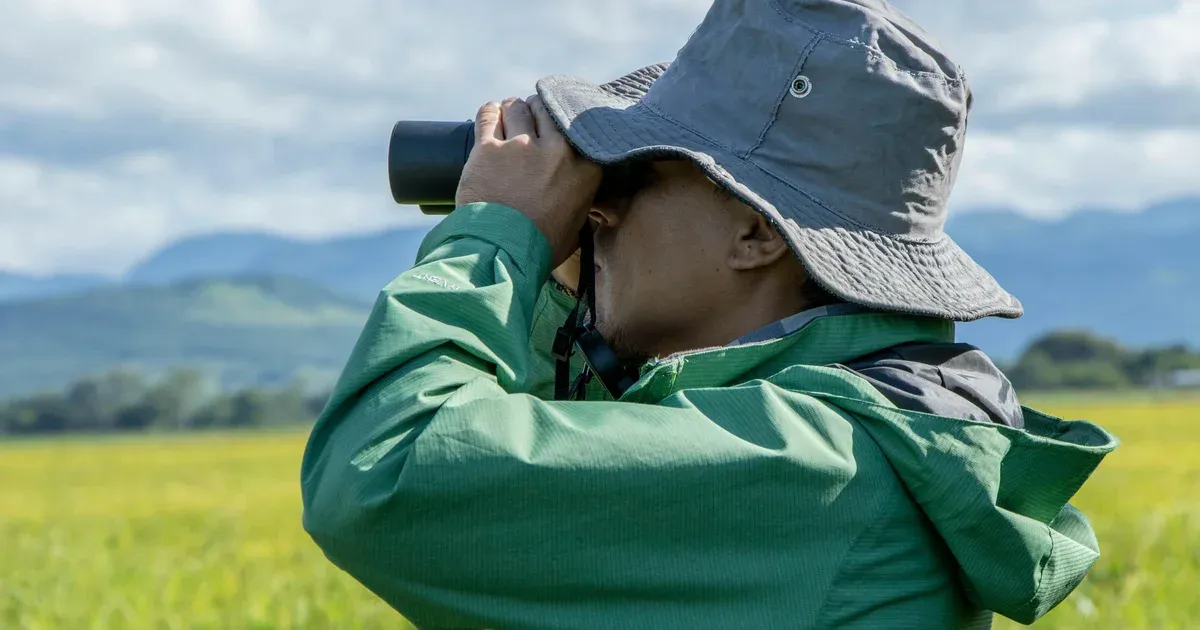
Nature-based citizen science may offer a short-term wellbeing benefit, but the evidence is more limited than a claim that it improves mental health scores across the board. A 2025 study followed 253 adults taking part in five biodiversity and environmental monitoring programs in Australia and Germany. Participants reported how they felt immediately before and after an activity.
The activities ranged from 15 minutes to 48 hours and included work in urban green spaces, forests and freshwater environments. Researchers used established self-report questionnaires to measure depression, anxiety and stress symptoms, positive and negative emotions, and three dimensions of connection to nature.
Many responses moved in a favorable direction. Across the combined sample, 55.8% of participants reported less negative emotion, 47.7% reported fewer stress symptoms and 42% reported more positive emotion after taking part. Those figures describe short-term changes reported by volunteers. They do not show that citizen science treated a mental health condition or caused a lasting clinical improvement.
The Study Used Immediate Before-and-After Surveys
Researchers recruited adults through outreach by the five participating programs and social media. Volunteers completed questionnaires at the event site before beginning and again immediately after finishing. The final analysis included 253 complete surveys from 278 received.
Mental health symptoms were measured with the 21-item Depression, Anxiety and Stress Scale, known as DASS-21. Emotional states were measured with the Scale of Positive and Negative Experience, while nature connection was assessed with the Nature-Relatedness scale. These are structured self-report instruments. They are not blood tests, diagnostic interviews or evidence that a person's medical condition changed.
The study did not measure cortisol or another biological stress marker. It did not track medication use, compare prescription rates or test a clinician-led treatment plan. It also did not report a trial in which 90 minutes of data collection outperformed 90 minutes of indoor exercise. Those claims cannot be inferred from questionnaire responses gathered around a single event.
The design was observational and lacked a randomized comparison group. People chose to join programs and knew they were participating in nature-focused activities. A more positive response afterward could reflect time outdoors, physical movement, social contact, satisfaction from completing a task, expectations about the activity or a combination of those factors.
Results Varied Substantially Between Programs
The combined percentages are only one part of the result. After the researchers adjusted for age, gender, work hours and recent time in green space, participation was not consistently associated with improvement across the five programs and eight measured outcomes.
The Queensland Trust for Nature program was associated with reductions in reported depression, anxiety and stress symptoms as well as more positive and fewer negative emotions. It was the longest program and included group interaction. A German stream-monitoring program was associated with lower stress symptoms. Other projects did not produce the same pattern of statistically significant adjusted results.
That variation supports a narrower interpretation: program design may matter. Duration, repeated participation, social interaction, physical demands, environmental quality and the meaning participants attach to their contribution could all influence the experience. The study cannot isolate one of those elements as the active ingredient.
Sample sizes also differed sharply. The five groups ranged from eight participants in one German project to 93 in another. The researchers identified the very small group and possible social-desirability bias as limitations. Because participants reported their own feelings in a setting associated with nature and conservation, some may have given answers they believed were expected.
Participation May Combine Several Wellbeing Supports
Citizen science asks volunteers to observe, identify or record features of the natural world. Projects such as eBird, iNaturalist, FrogID and Redmap turn those observations into data that researchers can use. For participants, the activity can combine time in nature with movement, learning, attention to detail, social contact and a visible sense of purpose.
A separate 2024 perspective paper examined 95 biodiversity citizen science initiatives in seven countries. It proposed looking at frequency, duration and intensity of participation when designing programs for health and wellbeing. That paper offered a framework for future evaluation; it did not establish a medical dose or prove that more participation will produce a predictable clinical response.
The researchers who discussed the work in Medical Xpress emphasized that regular participation may be more useful than a single event and that most citizen science programs were not designed around health outcomes. They also warned that longer-term mental health conditions have many causes and usually require sustained support. Citizen science was presented as a possible support for wellbeing, not a substitute for medical care.
Access is another constraint. Fieldwork may exclude people with limited mobility, little free time, unreliable transport or poor access to safe green space. People already connected to nature are also more likely to volunteer and tend to report better health, creating a selection problem and a risk that programs reinforce existing inequalities.
A Promising Activity Is Not Yet a Clinical Intervention
The study gives program organizers a reason to measure participant wellbeing more carefully. It suggests that longer, social and purposeful activities may produce stronger immediate responses than brief or solitary events. It also gives researchers specific questions to test with larger, more balanced samples and longer follow-up.
What it does not provide is evidence for social prescribing programs already operating across multiple states, reductions in cortisol, changes in medication use or improved clinical outcomes. No such measures appeared in the study. A favorable survey response after looking for wildlife cannot be converted into a treatment effect without a control group, follow-up and evidence that the change matters in daily life.
Future trials could compare citizen science with an ordinary nature walk, indoor group activity or another form of volunteering. They could measure whether effects persist, whether repeated sessions add benefit and which participants are helped or excluded. Independent clinical assessment would be needed before making claims about depression or anxiety treatment.
Citizen science does not need to be medicine to be worthwhile. It can produce ecological data, teach people about local species and create opportunities for movement and connection. The honest health claim is smaller: some participants felt better immediately after some programs, and the strongest adjusted results came from a long, social project. Turning that signal into a prescription before stronger evidence exists would outrun the science.