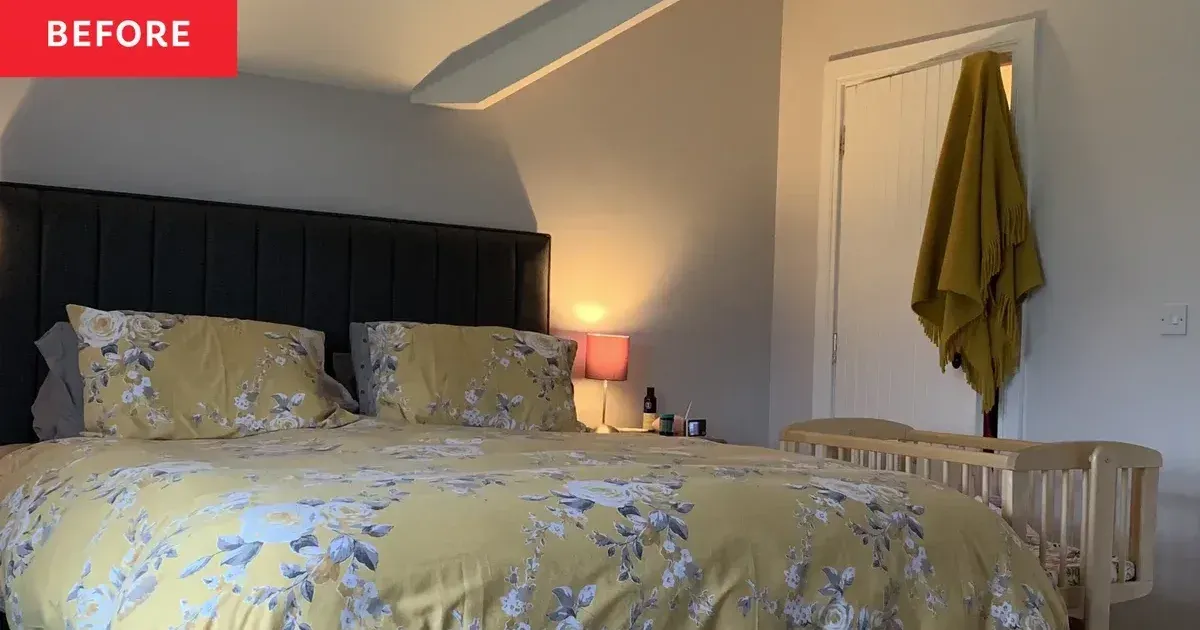
Claire M. transformed a dull bedroom with IKEA hacks, custom shelving and a stronger color palette. The renovation used flat-pack furniture as a base for a more personal room rather than a sterile white rental-style space. The project was completed on April 6, 2026, showing how affordable furniture modifications can change both storage and mood without a full structural remodel.
Mass-produced furniture provides the framework for these interventions because the underlying geometry is predictable and affordable. IKEA has dominated the global furniture market by offering modularity that invites third-party modification, a practice now codified in the global design vernacular as hacking. By using a basic $400 shelving assembly, Claire M. established a physical focal point that replaced the vacuum of a blank wall. Personalization through hardware changes and structural reinforcement allows these budget-friendly pieces to mimic the appearance of custom millwork found in luxury properties. Structural integrity is often the primary hurdle for DIY enthusiasts attempting to elevate basic cabinetry. Claire M. focused on the IVAR system, a solid pine series known for its adaptability and raw finish. Sanding the wood surfaces is a non-negotiable step in the process, as factory-applied coatings or even natural resins can prevent paint adhesion. Professionals recommend using a high-adhesion primer, such as Zinsser BIN, to create a shellac-based bond between the wood and the final pigment layer. Skipping this technical requirement results in peeling and visible wear within months of completion.
Custom Modification of Flat-Pack Furniture
Construction techniques used in this project mirrored professional carpentry standards despite the humble origins of the materials. Gap-filling with wood putty and the addition of crown molding at the top of the units created a seamless transition between the furniture and the ceiling. Such details eliminate the characteristic shadows that usually betray the presence of freestanding, flat-pack items. Aligning the vertical trim with the existing baseboards ensures that the new installation feels like a permanent architectural feature of the building. Success in these projects rests on the precision of the measurements and the patience applied during the drying phases.
"The homeowner wanted to combine color and comfort," according to the design documentation published by Apartment Therapy regarding the renovation.
Interior designers frequently observe that the transition from a generic space to a curated one hinges on the tactile quality of the additions. Wood, even when painted, offers a warmth that drywall and laminate cannot replicate. Using the IVAR units allowed for a configuration that maximized vertical storage without encroaching on the limited floor area of the bedroom. Efficiency remains a secondary benefit to the psychological comfort provided by an organized, visually coherent environment.
Psychological Impact of Non-Traditional Color Palettes
Color selection is the most potent tool for altering the perceived temperature and volume of a living space. Claire M. moved away from the widespread grays and beiges that have dominated interior trends for the last decade. Selecting a deep, saturated terracotta shade provided a sense of enclosure and intimacy suitable for a sleep environment. Warm tones with red or orange undertones stimulate a sense of security and physical ease, contrasting sharply with the clinical feel of blue-based whites. Light reflects differently off these pigmented surfaces, softening the shadows in the corners of the room. Scientific studies on environmental psychology suggest that monochromatic rooms can lead to sensory under-stimulation and increased stress levels. Incorporating a bold hue on a large scale, such as an entire wall of shelving, creates a visual anchor that stabilizes the rest of the decor. This specific shade of earth-toned red interacts with natural light to create a shifting atmosphere throughout the day. Morning light brings out the vibrancy of the pigment, while evening shadows deepen the color into a more somber, grounding presence. High-quality paints with matte finishes are preferred for these applications to prevent glare and highlight the texture of the wood.
Achieving a professional finish with bold colors requires multiple thin coats to ensure depth and uniformity. Claire M. applied three distinct layers of paint to the shelving units before the final assembly. Each layer must be lightly sanded to remove imperfections and dust particles that settle during the drying process. This labor-intensive approach distinguishes a high-end DIY project from a rushed renovation. Choosing a color that feels unexpected in a bedroom setting challenges the traditional norms of domestic design and centers the inhabitant's personal taste over resale value.
The project also showed why flat-pack furniture remains useful in home design: it gives renters and homeowners a cheap base for personal changes.
Financial reality dictates the scope of most home improvement projects in the current economic climate. A bespoke built-in library from a high-end contractor can easily exceed $5,000 in labor and material costs. By sourcing the base components from a mass-market retailer, Claire M. reduced the capital expenditure by approximately 90 percent. The value added to the property through such a modification is disproportionate to the initial investment. Potential buyers or renters often perceive built-in storage as a luxury upgrade, regardless of the brand of the underlying wood.
Sustainability experts argue that hacking existing furniture extends the lifecycle of products that might otherwise be discarded. Modifying a durable pine unit allows it to evolve with the changing needs of the household rather than being replaced. The furniture industry contributes sharply to landfill waste, and the DIY movement provides a viable alternative to the cycle of fast-furniture consumption. Using low-VOC paints and water-based finishes further minimizes the environmental footprint of the renovation. Durability remains a hallmark of solid wood systems when they are properly treated and maintained over time.
Market analysts suggest that the rise of the creator economy has popularized these complex DIY projects among younger demographics. Access to detailed tutorials and community forums has lowered the barrier to entry for advanced home renovation techniques. Claire M. leveraged these resources to manage the complexities of structural assembly and paint chemistry. Every successful hack reinforces the idea that high design is no longer the exclusive domain of those with enormous budgets. Creative labor has become the primary currency in the modern quest for a unique and comfortable home.
Color and Flat-Pack Transformation
Ignoring the temporary thrill of a paint swatch reveals the deeper anxiety of a generation stuck in rental cycles and shrinking square footage. The obsession with hacking mass-produced furniture is more than a hobby; it is a desperate attempt to reclaim agency over environments that are increasingly hostile to personal expression. Developers prioritize the frictionless turnover of units, resulting in the beige-washed architecture that Claire M. fought to erase. This project is a snapshot of the tension between corporate standardization and the human need for a sanctuary that does not feel like a hotel room. We are looking at a future where the distinction between luxury and mass-market products is entirely determined by the labor of the consumer. If you can spend forty hours sanding pine boards, you can simulate the lifestyle of the elite without the corresponding bank balance. The democratization of aesthetics is a trade-off, as it places the burden of quality on the individual instead of the manufacturer. The industry relies on this unpaid labor to keep its products relevant in an age of discerning consumers. Skepticism is warranted when we celebrate the saving of a room through sweat equity, as it highlights the failure of the original architecture to provide a baseline of dignity and character.
Design is the new class signifier. The ability to identify an unexpected color and execute a complex modification is a form of cultural capital that cannot be purchased at a checkout counter. Claire M. did not just paint a shelf; she asserted her dominance over a space that was designed to be forgettable. The question is no longer what we can buy, but what we can endure to build. DIY is the final frontier of resistance against the commodification of our private lives.