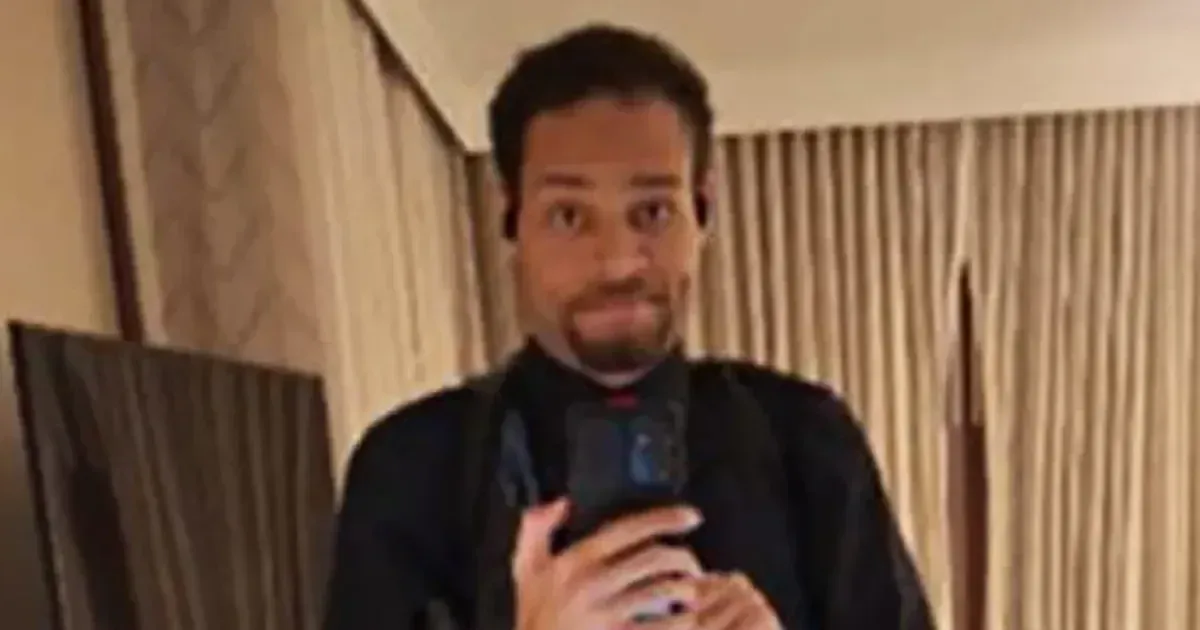
The court record will also determine whether the case remains a narrow criminal proceeding or becomes a broader security warning. Federal marshals escorted Cole Tomas Allen into a Washington, D.C., courtroom as the attempted-assassination case against him moved into its first contested phase. Allen entered a not-guilty plea on May 11, 2026, while prosecutors and defense lawyers began fighting over who should handle the case. The proceedings follow the April 25 shooting at the Washington Hilton during the White House Correspondents' Association dinner. Allen’s not-guilty plea means prosecutors now have to prove intent, planning and the alleged path to a Trump assassination attempt in court.
Prosecutors have charged Allen, 31, of Torrance, California, with four felony counts tied to the alleged attack on President Donald Trump. The indictment includes attempted assassination of the president, discharge of a firearm during a crime of violence, transporting a firearm across state lines and assaulting a federal officer with a deadly weapon. Government lawyers also said the investigation remains active, leaving open the possibility of additional filings as evidence is reviewed.
Charges and Custody Frame the Case
The early record describes a violent confrontation inside the hotel ballroom, where a Secret Service officer was reportedly shot while moving to stop the threat. Witness accounts cited in filings describe attendees taking cover as the protective detail moved Trump away from the room. Investigators say the weapon was transported from California to Washington, a claim that anchors both the firearms count and the government's argument that the alleged planning crossed state lines.
Allen stood shackled in an orange prison jumpsuit during the brief hearing.
Prosecutors have asked that he remain in custody without bond pending trial, citing the seriousness of the charges and the alleged cross-country preparation. Investigators are also reviewing the weeks of planning that prosecutors say preceded the attack, including Allen's travel from California, his arrival in Washington and his movements around the hotel before the dinner. Those details will matter in both the detention fight and the broader attempt to prove intent. A detention ruling could also determine how quickly defense counsel can review sensitive security material, because presidential-protection evidence is likely to require controlled access rather than ordinary document exchange.
Recusal Fight Adds Early Friction
Defense lawyers opened the case with a procedural challenge aimed at U.S. Attorney Jeanine Pirro and acting Attorney General Todd Blanche. Their motion argues that both officials were present at the event and therefore have a conflict if they supervise or participate in the prosecution. The defense also points to Pirro's relationship with Trump as a reason for heightened scrutiny over whether the trial team can remain impartial. That argument does not decide guilt or innocence, but it can affect which officials speak for the government and which prosecutors make strategic decisions before trial.
The government has not conceded that presence in the room turns a prosecutor into a disqualifying victim. Pirro said her office would respond through court filings, while emphasizing that federal prosecutors intend to pursue violence against government officials aggressively. The judge did not resolve the issue at the plea hearing, leaving the recusal fight to become the first major legal test in the case. Courts typically separate political sensitivity from legal conflict, so the defense will need more than public attention to force a change in the trial team.
If the court removes Pirro or Blanche from the matter, the Justice Department could be forced to reassign parts of the prosecution or appoint a different team. That would not end the case, but it could slow discovery, reshape trial strategy and give the defense more room to challenge institutional decisions made in the opening days after the shooting.
What Comes Next in Court
The next hearings are expected to focus on detention, firearm-transport evidence and the timeline that brought Allen from California to Washington. Prosecutors are likely to lean on surveillance footage, hotel security records and testimony from protective personnel. Defense lawyers, meanwhile, are expected to keep pressing for clearer separation between witnesses, alleged victims and the officials directing the prosecution. The court may also set deadlines for motions over discovery, expert testimony and security restrictions on evidence tied to the presidential detail.
The legal stakes are unusually high because the case sits at the intersection of presidential security, courtroom impartiality and public confidence in federal prosecution. Attempted-assassination cases demand forceful enforcement, but they also require careful process because any conviction will be scrutinized for years. The court also has to protect juror confidence before a jury is even seated, since the alleged target is the president and several officials tied to the case have public political profiles. That makes scheduling, discovery access and public statements part of the fairness question rather than background noise. A trial team that survives the recusal challenge will still need to show that its evidence, not political proximity to the target, drives the case.
That makes the early procedural fight more than a delay tactic. It is also a preview of how the defense intends to attack the government's credibility before jurors ever hear the core evidence. The court's ruling on the recusal motion will shape the tempo of the case and the degree of latitude Allen's lawyers receive as they test the boundaries of prosecutorial involvement. If the motion fails, the case can move toward the evidence record; if it succeeds, the calendar could reset around a new prosecution team.
For now, Allen remains a defendant who has denied the charges, while the government must prove each allegation in court.