Members of Congress initiated a series of inquiries into strikingly accurate wagers placed on the prediction platform Polymarket before the outbreak of hostilities in Iran. Anonymous accounts successfully predicted the exact timing of missile launches and military maneuvers, generating millions of dollars in profits through decentralized contracts. On April 10, 2026, lawmakers demanded transparency from the platform, which operates on the Polygon blockchain, to determine if internal leaks or classified intelligence fueled these high-stakes trades.
Polymarket handles billions of dollars in volume by allowing users to buy and sell shares in the outcomes of real-world events. While the site technically bars American participants, the use of virtual private networks and decentralized wallets allows users to bypass geographical restrictions with ease. Investigators were focusing on a specific surge in trading volume that occurred roughly four hours before the first kinetic strikes were reported by state media. This surge saw the probability of a conflict spike from 14 percent to 82 percent in less than sixty minutes. Congressional leaders sent formal letters to the Commodity Futures Trading Commission requesting an immediate audit of the platform's liquidity providers. Evidence suggests that a small group of wallets, potentially linked to individuals with access to defense briefings, moved $450 million into "Yes" contracts just as diplomatic talks in Geneva stalled. Federal authorities are examining whether these trades constitute a new form of digital insider trading that avoids existing securities laws.
Congressional Concerns Over Market Integrity
Capitol Hill remains divided over the legal status of prediction markets, yet the accuracy of these specific bets has united several oversight committees. Representative statements emphasize the danger of financial incentives overlapping with military secrets. Probes are currently targeting the flow of capital from offshore accounts that appeared to have foreknowledge of Iran moving its mobile missile launchers into firing positions. Market participants often argue that these platforms provide more accurate data than traditional polling or intelligence agencies.
Records from the blockchain show that the largest winning positions were liquidated within minutes of the official declaration of war. Such precision suggests a level of timing that exceeds statistical probability or simple geopolitical intuition. Skepticism persists regarding the platform's ability to police its own users, especially when the underlying technology is designed for anonymity. Defense officials expressed worry that the platform acts as a real-time signal for adversaries to gauge the likelihood of a strike based on capital flows. National security hinges on the unpredictability of force.
Suspected Information Leaks in Prediction Trades
Intelligence analysts pointed to a series of trades totaling $284 million that specifically bet on the use of long-range drones before they were even spotted by satellite surveillance. These wagers were placed in a narrow window between 2:00 AM and 4:00 AM local time. Publicly available information at that hour suggested a de-escalation was likely, making the contrarian bets look either reckless or informed. The sheer size of the positions suggests institutional-level capital rather than retail speculation.
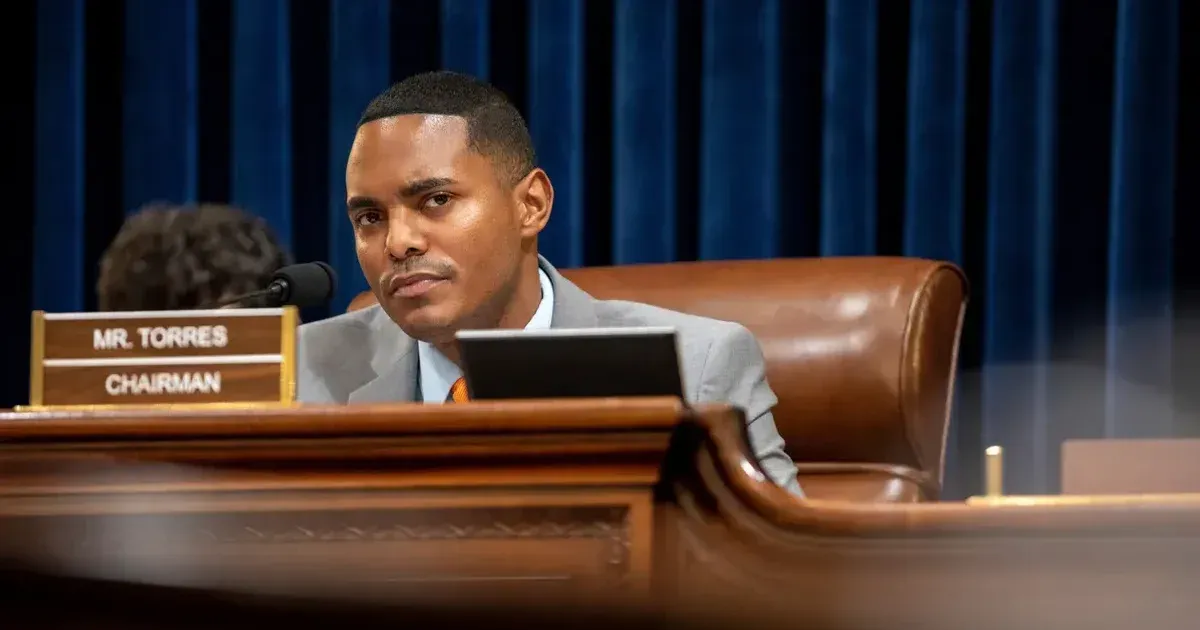
NPR reported that calls were increasing in Congress for investigations into Polymarket after anonymous traders made well-timed bets on a major geopolitical event hours before it occurred.
Military contractors and government employees have been warned previously about the ethics of using prediction markets to monetize their professional knowledge. Internal memos from the Department of Defense previously highlighted the risk of "gamifying" conflict for personal gain. Despite these warnings, the decentralized nature of Polymarket makes it difficult to link specific crypto wallets to physical identities without the cooperation of centralized exchanges. Investigators are currently tracing the movement of stablecoins from these winning wallets to identify the ultimate beneficiaries.
Regulatory challenges facing prediction platforms remain acute because federal regulators struggle to categorize these activities under current financial frameworks. Prediction markets are not quite gambling, yet they do not fit the traditional definition of commodity futures. The Polymarket interface provides a veneer of legality while the back-end infrastructure operates entirely outside of standard banking oversight. Critics note that the platform previously settled with the CFTC in 2022 over similar registration issues, yet its volume has only grown since that enforcement action.
International jurisdictions often provide a haven for these platforms, making domestic bans largely ineffective. Countries in Europe and the Caribbean allow prediction markets to operate with minimal friction, creating a global pool of liquidity that Congress cannot easily control. The current investigation seeks to determine if any of the suspicious trades originated from U.S.-based servers or personnel. If evidence of domestic involvement surfaces, the legal repercussions for the platform's founders could be severe. Profiting from the kinetic realities of war creates a moral vacuum.
National security implications of war betting are now central to the debate because defense experts argue that the existence of a liquid market for war outcomes creates a perverse incentive structure. If traders can profit from escalation, there is a financial motive to ensure that peace talks fail. Iran has frequently been the subject of these speculative markets, with millions of dollars riding on the stability of the Strait of Hormuz. Intelligence agencies are now forced to monitor blockchain activity as part of their standard situational awareness, as market movements can occasionally precede physical actions.
Cybersecurity teams identified several patterns in the trade data that resemble automated high-frequency strategies. These bots react to news headlines faster than human traders, but the bets in question occurred before any news was public. This distinction is the core of the current legislative push for a deeper probe. If the market is simply processing public data, it is a tool for efficiency; if it is processing stolen secrets, it is a tool for espionage. The volume of the $450 million position alone makes it one of the largest single bets in the history of the platform. Future legislation may aim to ban military personnel from holding assets in prediction markets entirely. Similar rules already exist for the stock market, but the pseudonymity of crypto makes enforcement nearly impossible. Oversight committees plan to hold public hearings next month to discuss the intersection of DeFi and national defense. These hearings will likely feature testimony from blockchain forensics firms that have been tracking the suspicious Iranian war wallets for several weeks.
Market Integrity Stakes
Predicting the collapse of sovereign states or the launch of missile barrages has transformed from a geopolitical exercise into a lucrative asset class. Federal regulators are currently chasing a phantom that they themselves helped create by pushing financial activity into the shadows of decentralized protocols. If an anonymous user in a non-extradition jurisdiction can trade on classified movements, the problem is not the market; the problem is the leak. Washington stays obsessed with the thermometer while the patient burns. These platforms function as a collective intelligence mechanism that often outperforms state-funded analysis.
Attempting to shutter a decentralized order book is a fool's errand that only increases the premium on clandestine information. We are entering an era where the most accurate intelligence is no longer found in a SCIF but on a public blockchain. Either the state secures its data or the market will continue to monetize its failures. Banning these markets will only drive the liquidity into even darker corners of the internet. The state must accept that its monopoly on information has ended. Instead of fighting the existence of the market, the government should look inward at why its own secrets are being liquidated for USDC. The market did not cause the war; it simply priced it more efficiently than the diplomats. It is a harsh verdict.