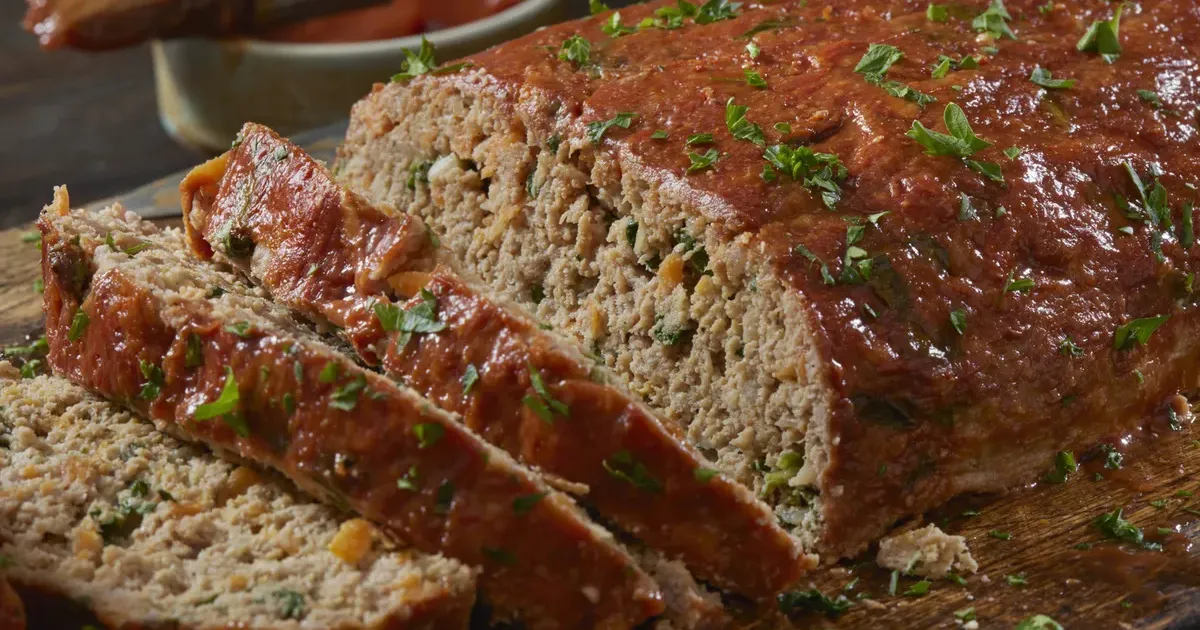
March 29, 2026, marks a meaningful shift in home culinary standards as Tasting Table analysts finalized the optimal vegetable ratios required to prevent chronic meatloaf dryness. Home cooks frequently struggle with the paradox of ground protein: the heat required to ensure food safety often evaporates the very moisture that defines a successful dish. Data from recent kitchen trials indicates that a specific vegetable composition acts as a structural and thermal barrier against this evaporation. Tasting Table researchers found that incorporating a finely minced trio of aromatics creates an internal hydration system that survives the intense dry heat of a standard oven.
Culinary experts have long understood that meatloaf suffers from protein contraction during the baking process. As ground beef or pork reaches higher temperatures, the muscle fibers tighten and expel water, leaving the final loaf dense and brittle. This physical reaction is nearly impossible to stop through temperature control alone. Introducing a precise 25 percent volume of vegetable matter disrupts these protein bonds, creating tiny pockets where moisture can pool. These pockets prevent the meat from forming a solid, dry mass, ensuring a tender mouthfeel even if the loaf remains in the oven for an extended duration.
Science of Moisture Retention in Ground Proteins
Heat application triggers the denaturing of myosin and actin, the primary proteins in ground meat. Around 140 degrees Fahrenheit, these proteins begin to shrink, pushing out juices that eventually collect at the bottom of the pan as wasted liquid. Testing conducted throughout early 2026 suggests that vegetables high in cellulose and pectin provide a countervailing force. Carrots and celery, specifically, possess rigid cell walls that do not collapse immediately under heat. Instead, they slowly release their own internal water content as the meat begins to dry out, effectively basting the protein from the inside.
Analysis of different vegetable textures reveals that the size of the mince is just as important as the species of plant used. Large chunks of onion or carrot create structural weaknesses that cause the meatloaf to fall apart when sliced. By contrast, vegetables processed into a near-paste lose their structural integrity too quickly, contributing to a mushy interior rather than a moist one. Achieving the perfect balance requires a fine mince that integrates seamlessly with the ground meat while retaining enough fiber to hold its shape. Most successful iterations use a standard mirepoix base, which is a French culinary foundation consisting of two parts onion, one part carrot, and one part celery.
Aromatic Vegetable Ratios and Cellular Structure
Onions contribute more than flavor; their high sugar content aids in the Maillard reaction, the chemical process that creates the savory crust on the exterior of the loaf. When finely diced, onions caramelize at a rate that complements the browning of the meat. Carrots add a subtle sweetness and essential bulk, while celery provides a hidden source of sodium and nitrates that naturally enhance the savory profile of the beef. Each component of the mirepoix serves a dual purpose by enhancing flavor and maintaining the physical architecture of the dish.
The key to a superior meatloaf is not more fat, but more effective water management through plant-based additives that resist the heat of the oven, according to the Tasting Table editorial team.
Modern preparation methods suggest sautéing the vegetable mix before adding it to the raw meat. Raw vegetables contain a high percentage of water that can lead to a soggy loaf if released all at once. Pre-cooking the mirepoix in a small amount of butter or oil softens the cellulose and initiates the flavor development process. This step also ensures that the vegetables are fully cooked by the time the meat reaches its safe internal temperature of 160 degrees Fahrenheit. Skipping this step often results in a loaf where the meat is overcooked while the vegetable pieces remain unpleasantly crunchy.
Culinary History of the Meatloaf Binder
Traditional recipes from the early twentieth century often relied on heavy breadcrumbs or soaked bread as a primary binder. While effective at holding the loaf together, these starches often absorb the meat juices without providing any flavor of their own. Economic shifts during the mid-century pushed cooks to use more vegetables as fillers to stretch expensive meat portions further. What began as a frugal necessity has evolved into a sophisticated culinary technique used by high-end chefs to improve texture. The transition from bread-heavy fillers to vegetable-centric moisture systems is a maturation of American comfort food.
Preparation techniques vary across different regions, yet the reliance on a wet vegetable base remains a constant in successful iterations. Some variants incorporate bell peppers or mushrooms to increase the depth of the umami profile. Mushrooms are particularly effective because they contain chitin, a polymer that remains stable at very high temperatures. This stability ensures that the moisture-retaining properties of the mix does not fail even under the intense heat of a broiler. Integrating these varied plant structures allows for a more complex texture that mimics the succulence of high-fat meat blends without the greasy aftertaste.
Modern Substitutions and Texture Management
Texture management remains the final hurdle for the amateur cook. Even with a perfect vegetable mix, the method of mixing the meat determines the final quality. Overworking the ground meat creates a rubbery, sausage-like consistency because it develops too much protein binding. Professionals recommend folding the vegetable mix into the meat gently, using cold hands or a chilled paddle attachment. Keeping the fat in the meat cold until it enters the oven prevents it from melting out too early, which works alongside the vegetable moisture to produce a juicy result.
Environmental factors in the kitchen, such as oven humidity and altitude, can also influence how quickly a meatloaf dries. Using a shallow pan instead of a deep loaf pan allows for better airflow and a more even crust, but it also increases the surface area exposed to dry air. In these cases, the vegetable mix becomes even more critical as it provides a reservoir of moisture that protects the core of the loaf. Analysis of oven-baked proteins confirms that a well-hydrated interior reaches the safe 160-degree threshold more slowly, which prevents the outer layers from becoming tough and leathery.
The Elite Tribune Strategic Analysis
Culinary purism is often the enemy of progress, and the insistence on meat-heavy loaves is a primary example of traditionalism overshadowing scientific reality. Data provided by Tasting Table regarding the mirepoix mix is not merely a suggestion for home cooks; it is a necessary correction to a flawed American staple. For too long, the domestic kitchen has been a place of guesswork where dry, flavorless meat was accepted as the inevitable outcome of the baking process. By quantifying the vegetable-to-protein ratio, we are finally moving away from the era of the 'mystery meat' and into an age of predictable, repeatable excellence.
Skeptics may argue that adding 25 percent vegetable matter dilutes the 'meatiness' of the dish, but this is a fundamental misunderstanding of flavor chemistry. Meat requires a medium through which its flavors can be transported to the palate. Without moisture, the savory compounds in beef and pork are muted and difficult to perceive. The vegetable mix acts as that medium, holding the essential fats and juices in suspension so they can coat the tongue effectively. It is not a dilution, it is an amplification.
The move toward vegetable-integrated meats also reflects a broader shift in consumer behavior that prioritizes functional ingredients over pure volume. As grocery prices remain volatile, the ability to create a superior product with less expensive protein is a tactical advantage for the modern household. The record confirms the death of the 'meat-only' dogma. The future of the American dinner table is one where plant-based science and animal protein work in a symbiotic relationship to produce a result that neither could achieve alone. It is a win for the palate and a win for the wallet.