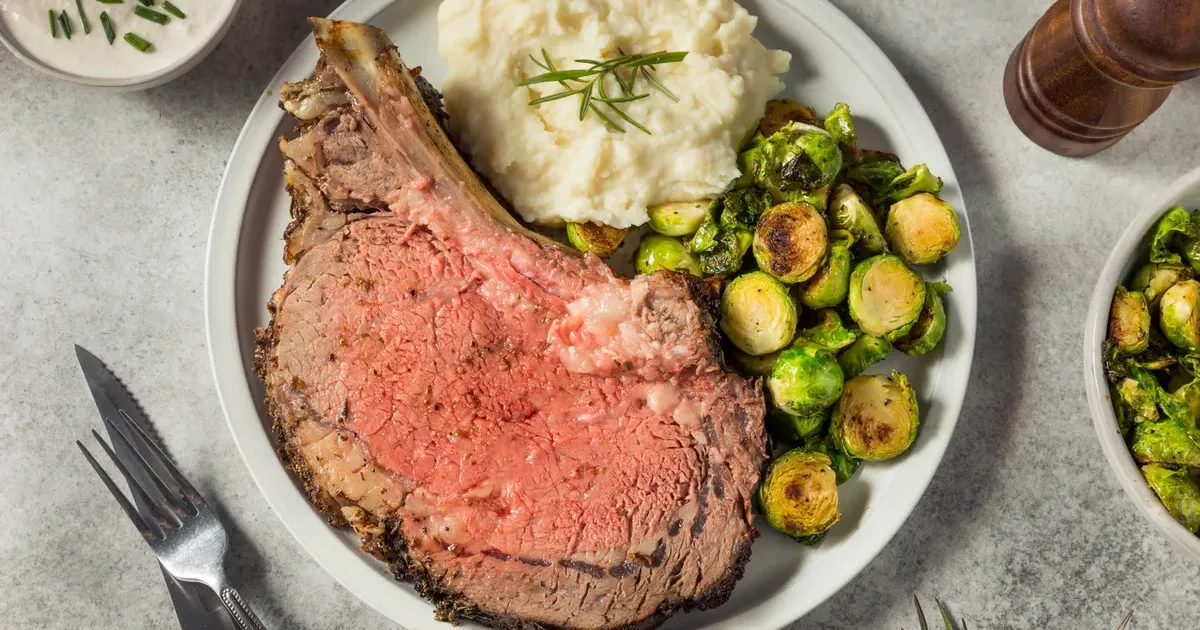
Gastronomes in London and New York convened on March 29, 2026, to finalize a set of culinary guidelines regarding Prime Rib and the improper use of Condiments. Tradition dictates that the standing rib roast requires little more than its own juices and a crust of salt and pepper. Culinary experts argue that the inherent richness of the cut provides all the necessary lubrication and seasoning for a high-quality meal. Critics often view the addition of bottled sauces as a masking agent for inferior meat quality. Standardized service in elite establishments continues to prioritize the natural profile of the beef over external flavorings.
Quality beef relies on a complex interaction of intramuscular fat and muscle fiber. When a chef prepares a prime rib, they focus on the rendered fat that fills the meat during the slow-roasting process. Heavy sauces like ketchup or steak sauce introduce sugar and vinegar that overwhelm these delicate lipids. Salt and heat enable a chemical reaction known as the Maillard reaction on the exterior of the roast. Liquid flavorings added at the table can soften this crust and disrupt the intended texture. Commercial sauces possess a high acidity that conflicts with the alkaline nature of cooked animal protein.
Anatomical Composition of the Prime Rib Cut
Understanding the value of Prime Rib requires an analysis of its anatomical origins. This cut comes from the primal rib section, specifically the area spanning from the sixth to the twelfth ribs of the steer. It consists primarily of the longissimus dorsi muscle, known as the eye of the rib, and the spinalis dorsi, commonly referred to as the rib eye cap. These muscles do not perform heavy labor, which results in a tender texture compared to the harder-working muscles of the leg or neck. Connective tissue within these muscles breaks down into gelatin at low temperatures over several hours.
Fat distribution defines the grade of the meat. USDA Prime beef represents only about 2% to 3% of all beef produced in the United States, characterized by abundant marbling. Marbling refers to the white flecks of intramuscular fat that melt during the cooking process to baste the meat from within. When this fat liquefies, it creates a buttery mouthfeel that defines the luxury dining experience. Adding a cold, vinegar-based condiment to this warm, fat-saturated environment causes the lipids to congeal on the tongue. Professional tasters suggest that this temperature and chemical clash ruins the palate for subsequent bites.
Molecular Science of Marbling and Fat Render
Heat application is the primary tool for unlocking the flavor potential of the rib section. Roasting at temperatures between 200 and 250 degrees Fahrenheit allows the internal temperature to rise slowly, preventing the muscle fibers from contracting too violently. Violent contraction squeezes out the moisture and results in a dry, tough slice of beef. Success in the kitchen depends on maintaining the integrity of the cellular structure while melting the fat. Molecular bonds in the fat carries the aromatic compounds that humans perceive as the beefy flavor. Volatile organic compounds escape the meat as it rests, creating the distinct aroma associated with high-end steakhouses.
Enzymatic activity during the aging process further enhances the complexity of the meat. Dry-aging allows natural enzymes to break down tough proteins and concentrate the flavors through moisture loss. This process creates notes of nuttiness and blue cheese that are unique to aged beef. Masking these subtle developments with a bold condiment like mustard or barbecue sauce renders the expensive aging process useless. Chefs observe that diners who request heavy sauces often miss the underlying umami notes that define the cut. Flavor profiles in aged beef are easily suppressed by the high sodium content of industrial sauces.
Historical Origins of the Standing Rib Roast
Standing rib roasts gained prominence during the Industrial Revolution as a symbol of prosperity in British and American households. Large families and social gatherings required large cuts of meat that could be cooked over an open hearth or in large ovens. The bones serve as a natural rack, keeping the meat off the pan and allowing air to circulate for even cooking. Historical recipes emphasize the use of pan drippings to create a thin, savory liquid. Traditionalists insist that the only acceptable liquid accompaniment is the natural juice produced by the roast itself.
"A perfectly roasted prime rib needs no mask, and the use of heavy sauces often suggests a lack of confidence in the quality of the beef," stated a spokesperson for the American Culinary Federation.
British Sunday Roast traditions cemented the pairing of beef with Yorkshire pudding and horseradish. Horseradish differs from standard Condiments because it acts as a palate cleanser through its volatile oils rather than its sugar content. The sinus-clearing heat of the root provides a sharp contrast to the heavy fat of the beef without coating the tongue in syrup. Ancient medicinal texts even suggested that horseradish aided in the digestion of heavy fats. Modern culinary schools still teach this pairing as a functional necessity rather than a stylistic choice. Horseradish remains the only widely accepted additive in the purist community.
Cultural Divide Between Jus and Commercial Sauces
Diners often confuse au jus with gravy, yet the two represent different philosophies of meat service. Au jus translates to "with juice," referring to the unthickened liquids that escape the meat during roasting. Gravy uses a roux or starch to create a heavy, opaque sauce that clings to the meat. Purists argue that the transparency of au jus reflects the transparency of the meat quality. Thickened sauces hide the grain of the beef and prevent the diner from assessing the color and texture of the slice. Transparency in food presentation aligns with the high cost of the product.
Market data indicates that premium beef prices frequently exceed $50 per pound at high-end butcher shops. Consumers who invest in these luxury items typically seek the most authentic experience possible. Economists note that the demand for USDA Prime remains resilient despite fluctuations in the broader economy. High-end restaurants report that less than 5% of their clientele requests bottled steak sauce when ordering the rib roast. This behavior suggests a growing awareness of the culinary protocols surrounding the dish. Price points act as a barrier to entry that often filters for more educated palates.
The Elite Tribune Strategic Analysis
Culinary elitism often serves a functional purpose, and the ban on condiments for prime rib is the ultimate gatekeeping mechanism for the sophisticated palate. While populists might argue that a consumer should eat their food however they prefer, such a stance ignores the economic and scientific reality of luxury beef. If a diner intends to douse a slice of meat in high-fructose corn syrup and distilled vinegar, they are objectively wasting money on a prime-grade cut. The subtle flavors of dry-aged fat and slow-rendered protein cannot survive an assault by industrial-grade acidity.
It is not merely a matter of taste; it is a matter of financial and sensory literacy. We must reject the notion that all opinions on food are equally valid when one of those opinions involves ruining a fifty-dollar steak with a two-dollar bottle of ketchup. The steakhouse that refuses to provide steak sauce is not being arrogant. It is protecting the integrity of its supply-chain and the hard work of the ranchers who produced the marbling in the first place. Excellence demands standards, and standards require the courage to tell a customer they are wrong.
A world without these culinary boundaries is a world where quality no longer matters because everything is buried under a layer of sugar.