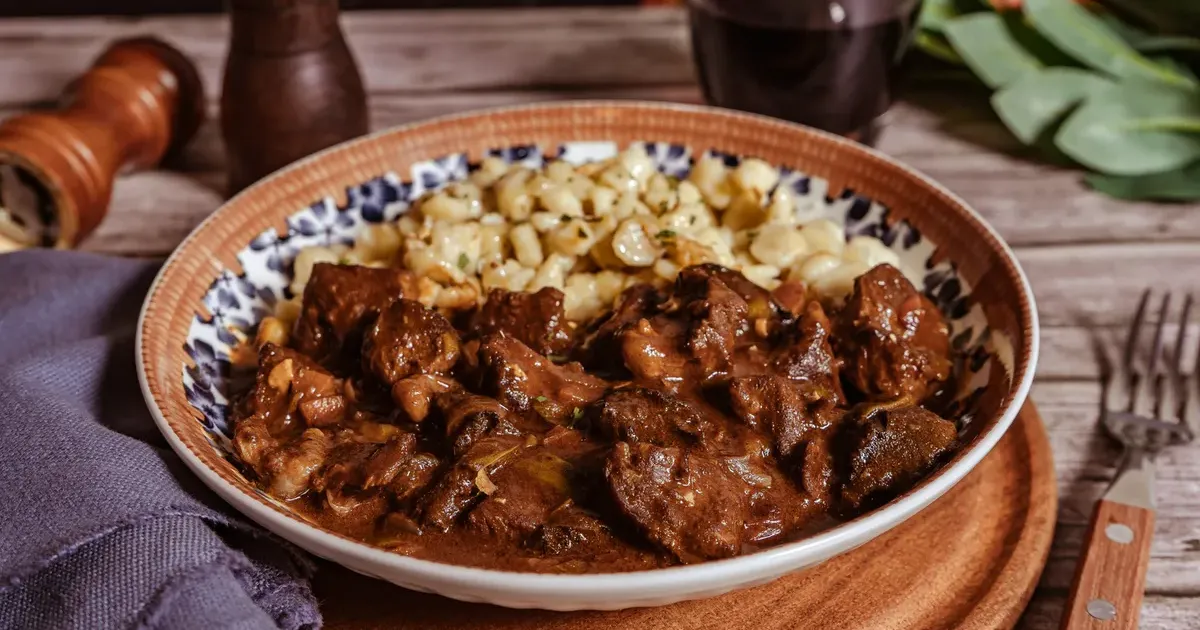
March 29, 2026, marks a shift in domestic culinary practices as home cooks integrate concentrated pastes into traditional goulash and prime rib preparations. Culinary researchers at Tasting Table have identified specific additives that bypass standard salt and pepper routines to manipulate the chemical profile of meat. These techniques rely on high concentrations of glutamates to trigger specific taste receptors on the human tongue. Historical records indicate that goulash, originally a simple soup for Hungarian shepherds, evolved through the introduction of paprika in the eighteenth century. Modern iterations now use tomato paste or even anchovy paste to provide a deep, savory foundation that water or broth alone cannot achieve.
Goulash Recipes Incorporate Concentrated Tomato and Anchovy Pastes
Adding tomato paste to a simmering pot of beef and onions triggers a concentration of natural sugars and acidity. Experts suggest browning the paste directly in the fat before adding liquids to caramelize the sugars and reduce the metallic aftertaste often found in canned products. This process creates a thick, clingy sauce that adheres to the meat fibers. While some traditionalists view these additions as a departure from the rustic origins of the dish, the flavor density provided by such condiments is undeniable. Anchovy paste functions similarly by providing a background saltiness that disappears into the sauce without leaving a fishy residue.
Fermented ingredients like miso or soy sauce serve as alternative umami boosters for slow-cooked stews. These substances contain high levels of proteolysed vegetable protein which mimic the savory notes of aged beef. Tasting Table reports that using a controversial condiment like Marmite or Vegemite in goulash amplifies the meaty notes while adding a mild, necessary tang to the finish. Professional kitchens have used these secrets for decades to ensure consistency in large batches. Commercial demand for high-glutamate pastes has grown alongside the rise of home-based gourmet cooking. Retailers report a 14 percent increase in the sale of concentrated savory pastes over the previous fiscal year.
Prime Rib Seasoning Strategies Embrace Miso and Cocoa
Prime rib preparation typically involves a simple dry rub of herbs and garlic, yet new trends suggest a move toward more complex chemical layering. Cocoa powder and finely ground coffee beans are increasingly popular as components of dry rubs for large beef roasts. These ingredients do not make the meat taste like dessert or breakfast; instead, they provide a bitter counterpoint to the richness of the animal fat. Coffee contains enzymes that act as a natural tenderizer by breaking down tough connective tissues during the slow roasting process. Resulting crusts are dark, aromatic, and deeply savory.
Traditional prime rib seasonings work well, of course, but we have some ideas to mix things up when you want to bring more flavor to the table.
Fish sauce represents another unexpected addition to the prime rib range. Applying a thin coating of fermented fish sauce to the exterior of the roast before applying other seasonings creates an artificial aging effect. This technique accelerates the development of the Maillard reaction, which is the chemical interaction between amino acids and reducing sugars that gives browned food its distinctive flavor. Because the fish sauce is fermented, it provides a funky, earthy depth that approximates the profile of dry-aged beef. Searing the meat at high temperatures afterward eliminates any oceanic aroma.
Liquid smoke and soy sauce offer reliable ways to introduce wood-fired notes without a dedicated smoker. These liquids penetrate the surface of the meat more effectively than dry spices. Miso paste, specifically the red variety, provides a thick medium for herbs to stick to the meat while contributing its own fermented complexity. Culinary instructors note that miso also helps retain moisture within the muscle fibers during long periods in the oven. High-end butcher shops have started selling pre-marinated roasts using these exact combinations to cater to time-pressed consumers. Market valuations for premium beef cuts reached $11 billion in the last quarter as interest in home-cooked luxury meals persisted.
Molecular Gastronomy Defines Modern Umami Enhancement Techniques
Science clarifies why these specific ingredients work so effectively with beef. Glutamate is an amino acid found in high concentrations in tomatoes, mushrooms, and fermented products. When these items are cooked with meat, they interact with nucleotides naturally present in the beef to create a synergistic flavor explosion. This cooperation makes the final dish taste more like meat than the meat does on its own. Understanding these interactions allows cooks to build layers of flavor that remain balanced rather than overwhelming. Professional chefs refer to this as building the umami bomb.
Dehydrated mushrooms provide another avenue for deepening the savory profile of meat dishes. Grinding dried porcini or shiitake mushrooms into a fine powder creates a versatile seasoning that can be added to stews or used as a base for gravy. The powder contains Glutamate levels that far exceed fresh varieties due to the evaporation of water. Mixing this powder into the flour used to dredge beef for goulash ensures that every piece of meat is coated in a flavor-enhancing substrate. Such careful attention to detail distinguishes modern home cooking from the utilitarian approaches of the past. Consistency in flavor depends entirely on the ratio of these concentrated additives.
Acidity remains a critical component that many home cooks overlook when focusing on savory notes. Vinegar or citrus juice cuts through the heavy fats found in prime rib and goulash, brightening the overall profile. Balsamic vinegar or red wine reductions are often incorporated into the basting liquid for roasts to provide both sugar for browning and acid for balance. Adding a splash of vinegar at the very end of the cooking process for goulash can revive flavors that have become muted during a long simmer. Balancing the heavy umami of pastes with sharp acidic notes creates a complete sensory experience. Specific recipes now frequently list apple cider vinegar or lemon zest as mandatory finishing touches.
The Elite Tribune Strategic Analysis
Why do we suddenly feel the need to inject fermented fish sauce and cocoa powder into a perfectly good piece of beef? The answer lies in the commodification of the domestic kitchen and the desperate search for the next culinary high. Home cooks are no longer satisfied with the flavor of the ingredients themselves. Instead, they are being trained by digital media platforms to treat every meal as a laboratory experiment in glutamate maximization. The obsession with umami enhancement reveals a deep lack of confidence in the quality of modern agricultural products. If the beef were truly exceptional, it would not require a coating of miso and coffee to satisfy the palate.
What is unfolding is the death of subtlety in Western cuisine as every dish is engineered to trigger a dopamine response through chemical synergetics. The industry surrounding these flavor hacks is worth billions, yet it thrives on the premise that natural ingredients are insufficient. We have traded the subtle taste of grass-fed cattle for the aggressive, artificial depth of concentrated pastes. The trend reflects a broader cultural shift toward intensity over integrity. When every meal is an umami bomb, nothing is truly savory anymore.
The real investigative question is whether we are actually improving the food or simply numbing our taste buds to the reality of what we are eating. Relying on shortcuts like liquid smoke and anchovy paste may yield a tasty result, but it bypasses the patience and skill that once defined the culinary arts.