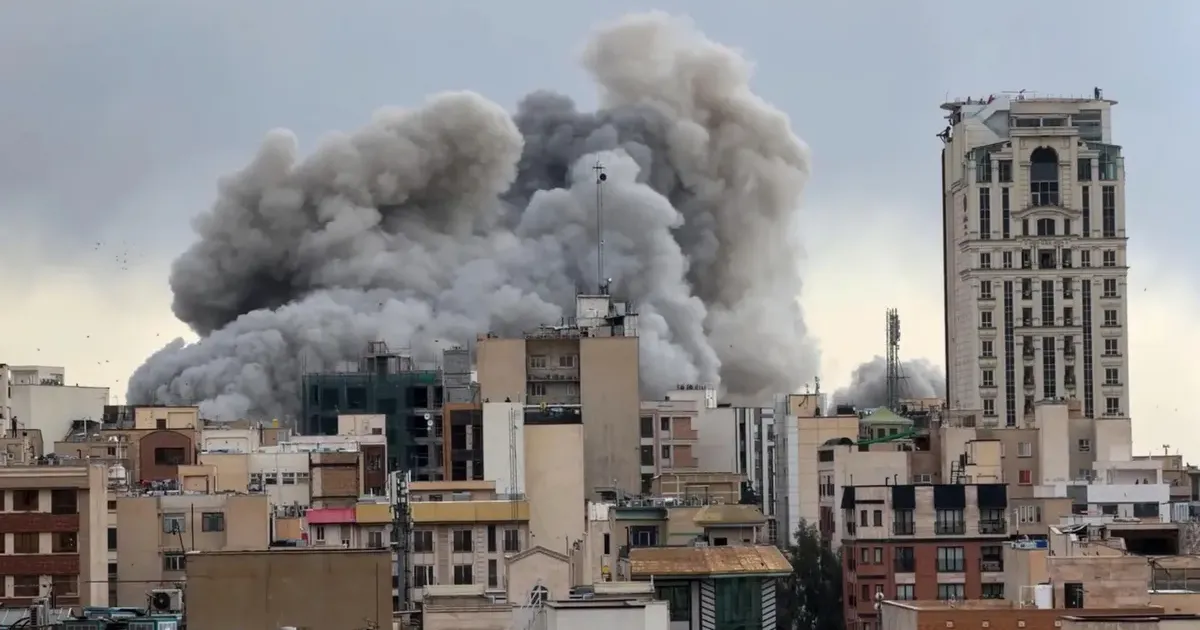
New Delhi officials issued an emergency directive on Saturday to address a growing humanitarian and logistical crisis at its international airports. Ministry of Home Affairs personnel confirmed a blanket 30-day extension for all foreign nationals unable to depart the country because of the escalating conflict in the Middle East. High-level discussions between the Bureau of Immigration and the Ministry of External Affairs resulted in a complete waiver of overstay penalties for those delayed until February 28. Local authorities have started issuing exit permits free of charge to simplify the departure of thousands of stranded tourists and business professionals.
Bureaucratic friction often characterizes Indian visa renewals, but the current emergency has forced a rare moment of procedural flexibility. Foreigners who found themselves trapped in India after their original travel dates passed will no longer face the steep daily fines usually levied by the Foreigners Regional Registration Office. These penalties, which can exceed hundreds of dollars for long-term overstays, had become a point of significant distress for travelers whose home countries or onward destinations are currently inaccessible. Indian officials processed the first batch of these waivers early this morning at the Indira Gandhi International Airport.
Still, the logistical scale of the problem remains daunting for the Ministry of Home Affairs. Official estimates suggest that more than 15,000 foreign nationals may require immediate visa adjustments or exit permits to avoid legal complications. In fact, many travelers had been residing in temporary shelters near major hubs after their flights were canceled or redirected. The government clarified that the 30-day grace period is intended to provide a buffer for airlines to reorganize flight schedules as regional air corridors remain closed.
Home Ministry Policy Waives Overstay Fines
Administrative orders sent to all Foreigners Regional Registration Offices across India emphasize that the penalty waiver is non-negotiable for eligible individuals. But the criteria for eligibility remain strictly tied to the disruptions caused by the regional war. Foreign nationals must provide evidence of a canceled flight or a closed destination border to qualify for the fee-free exit permit. To that end, special desks have been established at major entry and exit points to verify travel documents and issue the necessary 30-day stamps.
By contrast, previous visa crises in India usually required individual applications through an online portal, a process that frequently took weeks to complete. The new directive bypasses much of this red tape by allowing on-the-spot processing for those with confirmed travel issues. According to internal reports from the Times of India, the government is also granting Temporary Landing Permits to passengers on diverted flights who were never intended to enter India in the first place. These permits allow passengers to stay in designated hotels for up to 72 hours while waiting for replacement flights.
India is extending visas for foreign nationals affected by the Middle East conflict.
Separately, the waiver of the exit permit fee is a notable departure from standard Indian immigration law. Usually, any foreigner staying beyond their visa expiration must pay a processing fee also to any accrued fines. For instance, a tourist overstaying by just two days would typically face a minimum fine of 10,000 rupees. The current suspension of these charges applies specifically to those whose visas expired between the onset of the conflict and the new February 28 deadline.
Stranded Travelers Receive 30 Day Visa Extension
Airports in Mumbai and Chennai have reported a surge in inquiries from European and Asian travelers who use India as a transit hub for Middle Eastern routes. Travelers who were originally scheduled to connect through Dubai or Doha are now finding themselves grounded in India for indefinite periods. Meanwhile, the Indian government has instructed domestic carriers to cooperate with the Bureau of Immigration to identify passengers who fall into this category. In turn, these passengers are being prioritized for the new 30-day extension.
For one, the extension is not merely a courtesy but a practical necessity to prevent the clogging of transit lounges. Security personnel at major airports have noted that overcrowding in international terminals creates significant safety risks. Even so, the 30-day window is seen by many analysts as a conservative estimate of how long the regional disruptions will last. Travelers whose situations do not resolve within this period will likely need to reapply for formal visa status through the standard online channels.
Aviation Crisis Forces Middle East Flight Diversions
Flight paths between Europe and Southeast Asia have been radically altered to avoid the active combat zones in the Middle East. Many of these flights now fly over Indian airspace, leading to an increase in emergency landings and refueling stops. In particular, several long-haul flights from London and Paris were forced to divert to Delhi and Mumbai after regional air traffic control centers shut down. Each diversion brings hundreds of passengers who may not hold valid Indian visas into the country.
And the Temporary Landing Permits being issued to these passengers represent a significant security gamble for the Indian government. Each permit requires a background check and the surrender of the passenger's passport to immigration authorities for the duration of their stay. Still, the alternative would be to keep thousands of passengers confined within airport terminals for days on end. The current policy allows for a more humane management of the aviation backlog while maintaining a level of oversight on who enters the country.
Foreigners Regional Registration Office Operations Expand
Resources at the Foreigners Regional Registration Office locations in Delhi and Mumbai have been stretched to their limits. Staffing levels have increased by 40 percent to handle the influx of physical applications and walk-in inquiries. Yet, the electronic visa system has also seen updates to accommodate the new 30-day extension category. For instance, the online portal now includes a dedicated drop-down menu for conflict-affected travelers to upload their cancellation notices and request the penalty waiver.
At its core, this move highlights India's attempts to maintain its reputation as a reliable international transit point. While Bloomberg suggests the economic impact of these diverted flights is minimal, local hospitality sectors in airport cities have seen a sudden spike in occupancy. Many hotels near the Indira Gandhi International Airport are currently operating at 100 percent capacity. These establishments are working directly with the Ministry of Home Affairs to ensure that guests on temporary permits remain accounted for at all times.
The Elite Tribune Perspective
Does the Indian government’s sudden burst of bureaucratic generosity stem from genuine humanitarian concern, or is it a calculated maneuver to preserve its standing as a global aviation hub? Skepticism is warranted when any state apparatus moves this quickly to waive revenue-generating fines. By opening its doors and relaxing its notoriously rigid visa rules, New Delhi is effectively insulating itself from the diplomatic fallout that would occur if thousands of Western tourists were held hostage by paperwork during a regional war.
It is a brilliant display of soft power, one that positions India as a stable, rational actor in a neighborhood currently defined by volatility and chaos. However, let us not ignore the underlying reality of the situation. This policy shift is also an admission that India’s standard immigration infrastructure is wholly unprepared for the realities of modern geopolitical instability. The 30-day window is a temporary bandage on a systemic problem of regional connectivity and air space management.
If the conflict extends into the summer, New Delhi will find that 30 days of hospitality is not nearly enough to manage the debris of a crumbling international travel order. The cost of this hospitality will eventually be tallied in not merely waived fees.