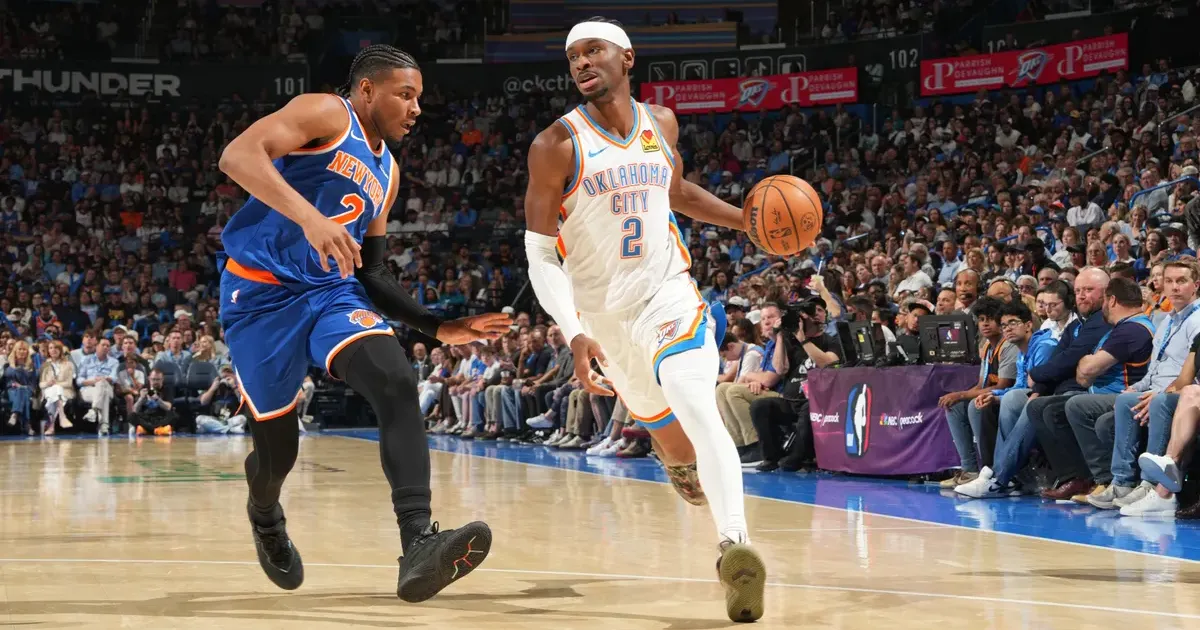
The Knicks loss carried a second problem beyond the scoreboard. The rotation had only just begun to look whole again. That changed in the third quarter on March 30, 2026, when New York guard Deuce McBride left against Oklahoma City after aggravating a groin issue. The timing was awkward because he had only recently returned from a long absence linked to sports hernia recovery. New York treated the moment cautiously, which was understandable given how much time he had already missed.
McBride had missed 28 games before getting back into the rotation. His exit immediately raised questions about how much the Knicks can rely on their bench guards as the regular season closes. The team did not need another injury question at the same moment it was trying to stabilize playoff minutes. Tom Thibodeau teams often lean heavily on trusted guards, so even a short absence can change substitution patterns. The concern is less about one March result than about whether the Knicks can enter the postseason with defined roles.
McBride Injury Alters Knicks Rotation
Deuce McBride had been expected to give New York defensive pressure, ball-handling cover and a lower-usage guard option beside the starters. Losing him again compresses the rotation and puts more responsibility on the primary creators. It also limits the Knicks' ability to change pace when the offense stalls. Those minutes are not glamorous, but they matter in playoff preparation. McBride is not a volume scorer, yet his ability to defend the ball and keep the offense organized helps the Knicks avoid overextending their starters.
The injury came during a matchup that already favored Oklahoma City. The Thunder used their length and late-game shot creation to punish every New York mistake. Once McBride was unavailable, the Knicks had fewer answers for the pressure at the point of attack. The bench also lost one of its cleaner defensive matchups against Oklahoma City guards. That mattered because Oklahoma City can turn a small guard mismatch into a sequence of drives, kick-outs and late rotations.
New York has now lost six straight games to the Thunder. That streak is not only a matchup note; it shows how difficult the Knicks have found it to handle Oklahoma City's combination of spacing, speed and defensive activity. The defending champions have repeatedly forced the Knicks into late-clock possessions and uneven transition defense.
Thunder Finish With Late Control
Shai Gilgeous-Alexander guided the decisive surge, helping Oklahoma City close with a 19-9 run. The Thunder did not need a dramatic tactical change. They got to preferred spots, forced New York into tougher half-court possessions and made the final minutes look controlled. That is the difference between a team searching for rhythm and one that already knows its late-game hierarchy. Oklahoma City looked comfortable deciding which matchup to attack; New York looked like a team calculating what it could still risk.
The injury concern around McBride became the larger New York takeaway because it arrived just as the Knicks were trying to settle their postseason rotation.
That is the useful frame for the injury. The game was not a referendum on New York alone, but McBride gave the night a roster-management consequence that will carry into the next report.
The Knicks can survive one regular-season loss, but a recurring groin issue for a rotation guard is harder to dismiss. McBride's next medical update will matter more than the final margin. If he misses more time, New York must either shorten the bench or ask less natural ball-handlers to absorb playoff pressure. That makes this a narrow injury brief, but not a disposable one: the answer affects how New York manages the final stretch before the postseason. The practical question is simple: whether McBride can defend, cut and change direction without turning a return into another setback. If he is limited, the Knicks also lose one of the few bench pieces who can play meaningful minutes without demanding shots. That is why a brief injury update still needs enough context to explain the roster consequence. The next status report should show whether this was a scare or the start of another availability problem for a team already short on clean bench answers.