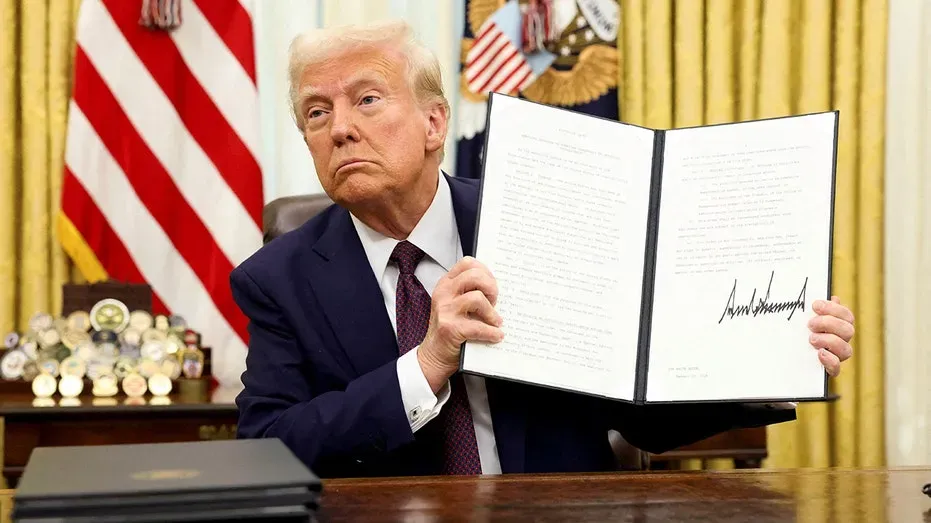
Donald Trump arrived at the Supreme Court to witness oral arguments in a case that could dismantle a century of legal precedent. Solicitor General offices prepared for months to defend an executive order signed in early 2025, which seeks to terminate the automatic granting of citizenship to children born on American soil to non-citizen parents. On April 1, 2026, Trump’s challenge brought birthright citizenship back to the Supreme Court spotlight. Arguments in Trump v. Barbara center on the interpretation of the 14th Amendment, a post-Civil War addition to the Constitution.
Justice department lawyers contend the amendment never intended to provide a pathway for the children of temporary visitors or those entering the country without authorization. Lawyers for the opposition argue the language of the amendment is absolute, granting status to any person born within the territory.
This legal confrontation began immediately after the 2025 inauguration when the administration issued an executive order to halt the long-established practice. Trump told reporters in the Oval Office on Tuesday that the policy had been widely abused by foreigners for decades. Legal challenges from multiple civil rights organizations and state attorneys general led to several injunctions before the case reached the highest court in the land. Supreme Court justices must now decide if a president possesses the authority to override a constitutional interpretation that has stood since the late nineteenth century. Thousands of families across the nation await a ruling that could redefine the requirements for American identity.
Legal Arguments Target Fourteenth Amendment Interpretation
Proponents of the executive order claim the jurisdictional clause of the 14th Amendment requires more than mere physical presence. Attorney General offices from nearly every Republican-led state filed briefs in support of the administration, echoing the sentiment that the original authors intended the clause to address the status of former slaves. Trump v. Barbara specifically addresses whether children of individuals without a permanent legal tie to the United States qualify for automatic status. While previous rulings like United States v. Wong Kim Ark in 1898 affirmed birthright citizenship, administration officials argue those circumstances involved legal residents rather than transient populations.
Barbara, the lead plaintiff, represents thousands of families whose children were born in the United States while their parents held temporary visas.
Critics of the administration point to the clear text of the Constitution, which specifies that all persons born in the United States are citizens. Legal scholars from various universities have submitted amicus briefs stating that any deviation from this standard would require a constitutional amendment instead of an executive order. Several justices during the morning session questioned the limits of presidential power in reinterpreting established civil rights. Hundreds of activists gathered outside the building to protest the potential changes in policy. Trump v. Barbara has become the focal point of a larger debate regarding national sovereignty and the limits of the executive branch.
This is not about Chinese billionaires or billionaires from other countries who, all of a sudden, have 75 children or 59 children in one case or 10 children becoming American citizens. This was about slaves. And if you take a look, slaves. We're talking about slaves from the Civil War.
Specifically, the administration highlights the 1898 Supreme Court decision as a misapplication of the reconstruction-era intent. Documents filed by the Solicitor General emphasize that the 14th Amendment aimed to guarantee the rights of those who had been denied humanity by the state. Millions of people have since gained citizenship through the current interpretation, a fact that defense attorneys believe strengthens the case for maintaining the status quo.
Birth Tourism Industry Faces Federal Scrutiny
Companies and individuals have profited extensively from what the administration describes as a birth tourism industry. Evidence presented to the court suggests that foreign nationals, particularly from China and Russia, pay hundreds of thousands of dollars to travel to the United States specifically to give birth. Donald Trump noted during his Tuesday interview that these individuals seek to reap the benefits of American citizenship without having any long-term commitment to the country. Birth tourism packages often include luxury accommodations and medical care, marketed with the promise of a United States passport for the child. $11 billion are the estimated annual impact of these transactions according to some government estimates.
Millions of dollars flow through these organizations every month. Federal investigators have conducted raids on several California-based birth tourism operations in recent years, though the practice remained largely legal under previous interpretations. Trump v. Barbara aims to shut down these operations by removing the primary incentive for the travel. The administration believes that removing the guarantee of citizenship will effectively collapse the market for such services. Records show that thousands of children are born to visitors on temporary visas every year.
Presidential Presence Breaks Longstanding Judicial Protocol
Presidential attendance at oral arguments is a departure from nearly two and a half centuries of American tradition. Historically, sitting presidents have avoided the courtroom during active cases to maintain a clear separation of powers. Records from the Supreme Court and the Supreme Court Historical Society indicate no official instance of a sitting commander-in-chief attending arguments before today. Donald Trump broke this precedent by occupying a seat in the gallery to observe the proceedings firsthand. Sitting just yards from the justices, the president signaled the high priority his administration places on the outcome of Trump v. Barbara.
Supreme Court officials did not issue a public statement regarding the unique security arrangements required for the visit. Legal observers noted that the presence of the president could be interpreted as an attempt to influences the bench through proximity. Previously, presidents have only visited the court for ceremonial events or the swearing-in of new justices. The move reflects a broader trend of the executive branch engaging directly with judicial processes that affect core campaign promises. Donald Trump continues to challenge norms surrounding the interactions between the three branches of government.
Constitutional Stakes for Trump
The birthright case gives Trump a direct test of executive power over a constitutional rule that has shaped citizenship for generations. The legal fight turns on text, precedent and the practical burden of redefining who is born American.
The political stakes are just as large. A Supreme Court loss would limit one of Trump’s signature immigration arguments, while a win would force states and agencies to rebuild citizenship verification systems.