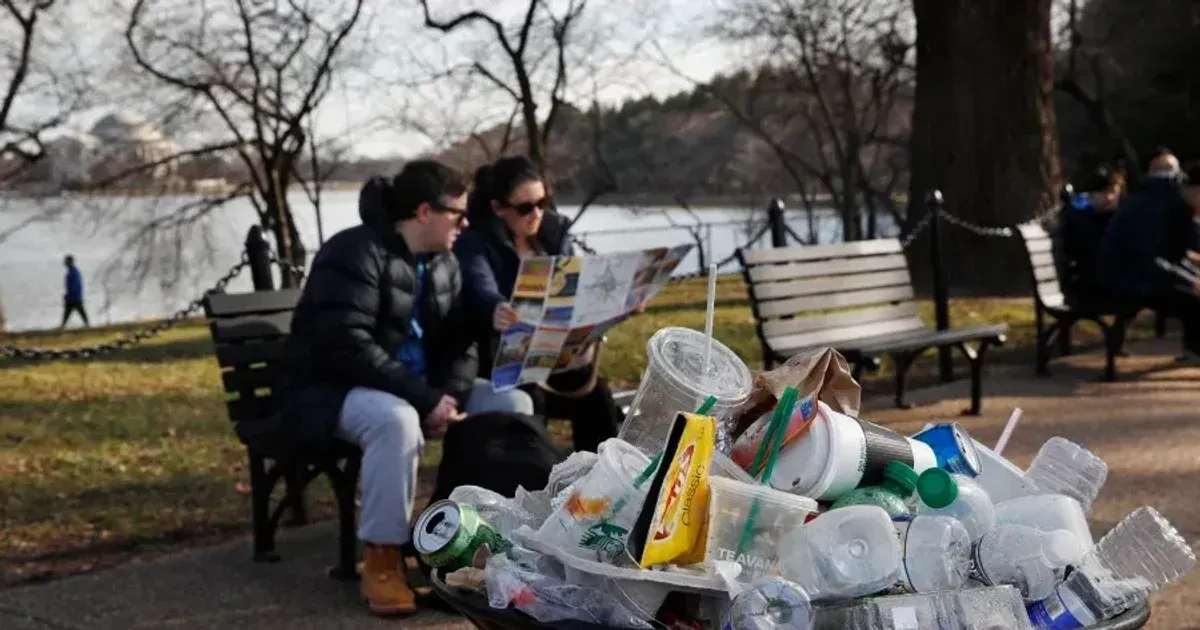
Donald Trump and the Environmental Protection Agency announced a federal strategy on April 24, 2026, to scale advanced recycling technologies across the United States. Policy documents released by federal regulators outline a shift toward chemical recycling methods designed to break down polymers into their original molecular components. Industry leaders describe this transition as a solution to the limitations of mechanical recycling. Current data shows that traditional sorting and melting processes only capture a fraction of global plastic waste.
Advanced recycling involves high-heat processes like pyrolysis and gasification to turn discarded plastics into liquid feedstocks or gases. These raw materials then return to the manufacturing cycle to create virgin-quality resin. Federal officials contend that this method allows for the infinite reuse of materials that previously ended up in landfills or oceans. Success for this initiative requires billions of dollars in private-sector investment for specialized facilities. Several multinational chemical firms have already pledged capital to build these processing plants in the Midwest and Gulf Coast.
Industrial Scale-Up of Pyrolysis Technology
Pyrolysis units operate by heating plastic waste in an oxygen-free environment to prevent combustion. Molecular bonds break apart during this phase, creating a synthetic oil known as pyrolysis oil. $500 million in federal grants and tax credits will support the construction of these units under the new EPA guidelines. Refineries can use this oil to produce new plastics or fuel. Mechanical recycling often degrades the quality of plastic with each cycle, but chemical processes maintain material integrity.
Critics within the scientific community raise concerns about the energy intensity of these operations. Heating materials to extreme temperatures requires substantial power, which often comes from fossil fuel sources. Environmental groups argue that the net carbon footprint of advanced recycling could outweigh the benefits of waste reduction. Supporters, however, point to the potential for creating a circular economy where no new plastic needs to be synthesized from petroleum. Research from the American Chemistry Council suggests that chemical recycling could divert millions of tons of waste annually.
Environmental Groups Challenge EPA Plastic Projections
Advocacy organizations filed formal complaints regarding the reclassification of plastic waste processing plants as manufacturing facilities rather than solid waste incinerators. This regulatory change eases the permitting process for chemical recycling companies. Opponents claim that bypassing stricter air quality standards will lead to increased emissions in communities near these plants. EPA officials defended the decision by stating that pyrolysis does not involve burning waste in the traditional sense. Legal battles over these definitions are expected to reach federal appellate courts by late 2026. Legal challenges to the EPA strategy highlight the long-standing political tensions surrounding the Clean Air Act.
"The strategy focuses on technological innovation to solve an environmental crisis while maintaining the economic utility of plastic materials in the American supply chain," a spokesperson for the Environmental Protection Agency stated during the rollout.
Greenpeace and the Sierra Club released a joint statement questioning the efficiency of these systems. They noted that many pilot programs for chemical recycling have failed to reach commercial viability over the last decade. High operational costs frequently lead to facility closures when oil prices drop. Virgin plastic production remains cheaper than recycled alternatives in many global markets. Low petroleum prices provide little incentive for manufacturers to purchase more expensive chemically recycled resins.
Federal Deregulation of Plastic Waste Processing
Streamlined federal oversight is a foundation of the Donald Trump administration plan to accelerate industrial growth. New rules eliminate several layers of bureaucratic review for companies that prove their technology can achieve a 70% recovery rate. Regulatory relief applies to the handling of post-consumer plastics, which the EPA now classifies as valuable feedstock. State-level regulators in Texas and Louisiana have expressed support for these changes to attract new industrial projects. Local governments hope the facilities will provide high-paying technical jobs for residents.
Market analysts suggest that the success of the program hinges on the reliability of the waste supply chain. Facilities need a constant stream of high-quality plastic scrap to operate efficiently. Contamination remains a serious hurdle because food waste or non-recyclable materials can damage pyrolysis reactors. Investment in advanced sorting equipment at the municipal level is necessary to feed these new industrial plants. JPMorgan Chase analysts estimated that the national infrastructure gap for plastic recovery exceeds $15 billion.
Plastic Policy Rebrands Pollution as Industrial Innovation
Betting the future of environmental policy on unproven industrial alchemy is a gamble that favors the petrochemical industry over ecological reality. The EPA's move to rebrand chemical plants as manufacturing hubs is a transparent effort to circumvent the Clean Air Act. By lowering the bar for entry, the administration invites a wave of speculative projects that may collapse under the first sign of economic volatility. Reliance on high-heat technology does not eliminate waste; it merely converts solid pollution into atmospheric carbon.
Policymakers are ignoring the most logical solution to the plastic crisis, which is a hard cap on virgin resin production. Instead of forcing companies to reduce their output, this plan provides a taxpayer-funded safety net for continued plastic manufacturing. The narrative of 'unmaking' plastic is a linguistic trick designed to soothe public anxiety while maintaining the status quo of a throwaway culture. Expect these facilities to become the next generation of industrial brownfields once the federal subsidies dry up. This is a policy of convenience, not conservation.