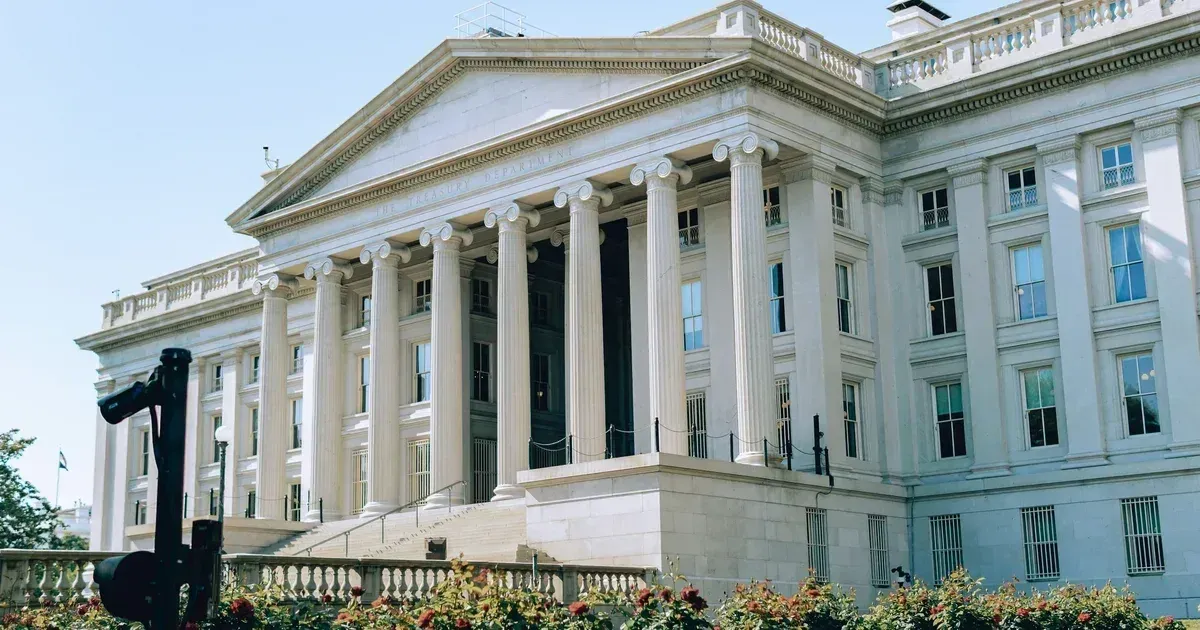
U.S. Treasury Markets and the Dollar Reserve Status
Total U.S. national debt recently surpassed $34 trillion, creating a reliance on foreign buyers that some experts view as a strategic vulnerability. Toby Nangle suggests that the intersection of protectionist tariffs and high fiscal deficits could erode the appeal of U.S. government bonds. Central banks in Beijing and Tokyo currently hold vast amounts of these assets to stabilize their own currencies. By April 14, 2026, significant liquidation by these entities would create immediate upward pressure on interest rates.
American financial dominance rests on the deep liquidity of its bond market and the trust that Washington will honor its obligations. Since the Bretton Woods agreement, the dollar has functioned as the global unit of account for oil, gold, and international trade. This status grants the U.S. what Valery Giscard d'Estaing famously called the exorbitant privilege of borrowing in its own currency. Any policy that questions the sanctity of these debts could invite a generational shift in capital flows.
Robin Wigglesworth recently observed that the institutional framework of the U.S. financial system is facing its greatest test in a century. Investors often move toward the dollar during times of global strife, but a domestic policy shift toward currency devaluation might break this pattern. While some manufacturing sectors benefit from a weaker dollar, the resulting inflation typically hurts the broader consumer base. Real wages often struggle to keep pace with the rising costs of imported goods.
History provides few examples of a global reserve currency being displaced without a corresponding military or total economic collapse. The British pound sterling lost its dominance only after the devastation of two world wars and the rise of American industrial might. Present-day shifts are subtler, occurring through digital currency initiatives and bilateral trade agreements that bypass the SWIFT banking system. Proponents of Donald Trump argue that a controlled retreat from globalism is necessary to rebuild the American middle class.
Federal Reserve Autonomy Under Donald Trump
Independence of the Federal Reserve is a foundation of investor confidence in the American economy. Trump has frequently criticized Jerome Powell and other central bank officials for maintaining high interest rates during his previous term. Concerns are mounting among economists that a second term would see a more direct attempt to influence monetary policy. Markets generally react with extreme volatility when political pressure dictates the cost of capital.
Central bank autonomy prevents short-term political goals from causing long-term hyperinflation. If Donald Trump attempts to use the Federal Reserve to monetize the federal debt, the credibility of the dollar would suffer nearly irreparable damage. Global investors demand a predictable return on their investments, not a return subject to the whims of the executive branch. Institutional safeguards against presidential interference are currently under intense legal and political scrutiny.
Pressure on the central bank could manifest as a refusal to reappoint officials who prioritize inflation controls over growth targets. This potential conflict has led many hedge funds to increase their holdings in gold and private equity. Currency markets remain sensitive to any rhetoric that suggests the central bank is becoming a tool of the White House. The yield on the 10-year Treasury notes has already seen fluctuations based on speculative reports regarding future appointments.
Trade Tariffs and Global Currency Volatility
Protectionist trade barriers often lead to retaliatory measures from major trading partners. Analysts have pointed out that a universal tariff of 10 percent could spark a global trade war. Such a conflict would likely lead to a fragmented global economy where regional currencies gain prominence over a singular global standard. The euro and the renminbi are the most frequently cited candidates to fill the void left by a retreating dollar.
Tariffs act as a tax on domestic importers, who usually pass these costs onto the end user. If Donald Trump implements broad tariffs, the domestic inflation rate could spike, forcing the Federal Reserve into a difficult choice between cooling the economy or allowing price increases. This cycle often leads to stagflation, a condition that hasn't plagued the U.S. economy since the 1970s. International supply chains are currently too integrated to be unraveled without substantial economic friction.
Foreign nations might respond by devaluing their own currencies to maintain their export competitiveness. The race to the bottom creates an environment of instability where long-term investment becomes nearly impossible. Major corporations rely on currency stability to plan multi-year infrastructure projects across borders. A breakdown in this stability would likely reduce the total volume of international trade.
De-dollarization is no longer a fringe theory but a strategic objective for several BRICS members. China and Russia have already established independent payment systems to insulate themselves from U.S.-led sanctions. If the U.S. uses its financial system as a weapon while simultaneously pursuing protectionist domestic policies, it may find itself isolated. Global trade volumes are currently moving toward these alternative systems at an accelerating rate.
Reserve Currency Pressure
The U.S. dollar is facing a sharper political test as investors weigh Donald Trump's fiscal plans against debt levels, tariffs and central bank independence. Analysts framed the issue as a confidence problem rather than a single campaign proposal. By April 13, 2026, the debate had moved from theory into market risk as bond buyers watched Washington's next signals.