Donald Trump announced a new strategy to target Iran's energy and water infrastructure. The president threatened to destroy desalination plants across the Islamic Republic, a move that would jeopardize the survival of millions in the arid region. By March 31, 2026, the threat had expanded the conflict debate from military targets to civilian infrastructure. Military officials confirmed that specialized units are already repositioning to support potential kinetic operations.
Navy SEALs and Army Rangers joined thousands of Marines and paratroopers in a rapid deployment to the Middle East. Sources told CBS News that these elite units provide a flexible range of options for the commander-in-chief. National security analyst Aaron MacLean noted that the arrival of special operations forces indicates a shift toward high-precision raids. Their presence complements the larger conventional force already stationed in the Persian Gulf.
Secret negotiations between Washington and Tehran continue despite the escalating rhetoric. The White House insisted on Monday that these behind-the-scenes talks are making progress. Iranian officials publicly rejected the latest U.S. proposal, maintaining a stance of defiance. Both nations continue to trade strikes on energy infrastructure while diplomats exchange private messages.
Special Operations Forces Move Into Middle East
Elite combat units represent the lead of the new American posture. Navy SEALs and Army Rangers bring specialized capabilities for maritime interdiction and infrastructure sabotage. This influx of personnel includes a clear contingent of Army paratroopers capable of rapid airfield seizure. Defense officials indicated that these forces are moving to undisclosed locations within striking distance of Iranian territory.
Central Command is overseeing the integration of these assets into existing tactical frameworks. Naval assets in the Persian Gulf have increased their surveillance of Iranian coastal facilities. Aaron MacLean, a national security analyst, suggested that the deployment is a physical manifestation of presidential threats. Specialized training exercises in the region now focus on littoral combat and critical infrastructure protection. Operational security prevents the disclosure of exact troop numbers or locations. Nevertheless, the scale of the movement suggests a preparation for sustained engagement. Logistical chains are being reinforced to handle the increased demands for specialized munitions and fuel. Command structures have shifted to a more aggressive footing as the March 31, 2026, deadline for diplomatic clarity approached.
White House Claims Progress in Secret Tehran Talks
Administration officials offered a surprisingly optimistic assessment of the diplomatic track. They stated that negotiators have found common ground on several key issues involving regional security. Iranian leaders, however, have not echoed this sentiment in their domestic media. Public statements from Tehran describe the American proposals as unacceptable infringements on national sovereignty.
Strikes on energy infrastructure have not ceased despite the alleged progress in talks. Iranian-backed groups continue to target regional oil assets with drones and missiles. Washington has responded with targeted air strikes on command centers and storage depots. The disconnect between public hostility and private negotiation creates a volatile environment for global energy markets.
Effective communication channels remain open through third-party intermediaries in the region. Tehran continues to demand the lifting of economic sanctions as a requirement for any formal agreement. The White House maintains that sanctions relief will only follow verifiable changes in Iranian behavior. Both sides appear to be using military pressure to improve their respective bargaining positions.
Desalination Plants Emerge as Strategic Targets
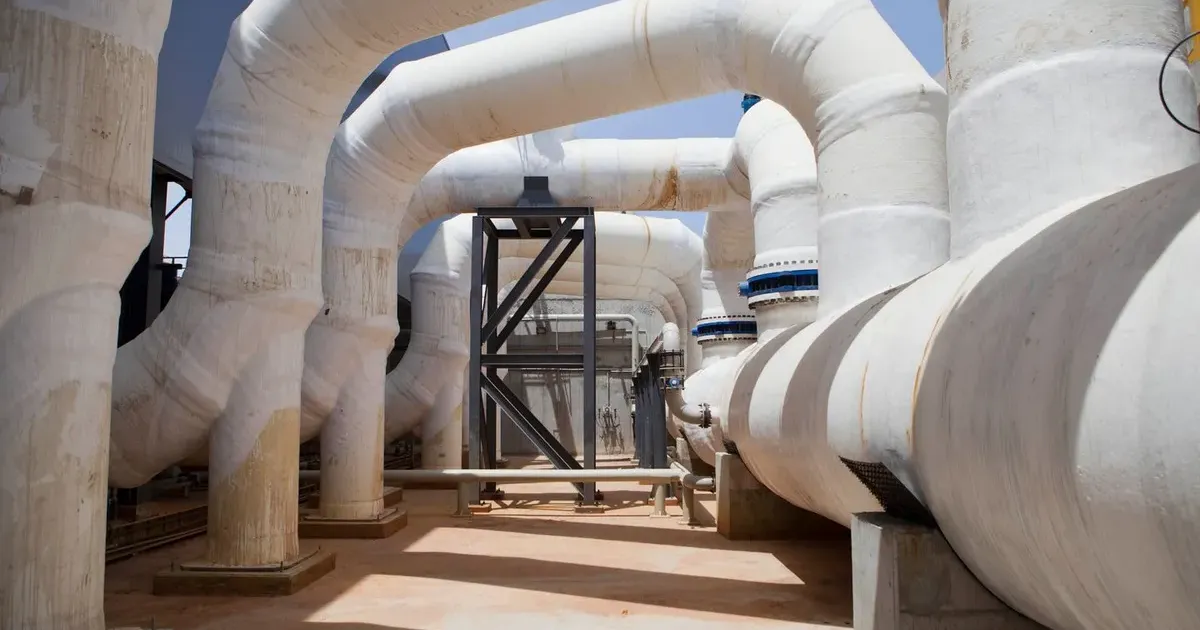
Water security is a critical vulnerability for the Iranian state. Most of the country relies on large desalination plants located along the southern coast for daily consumption. Donald Trump identified these facilities as legitimate targets in a broader campaign to force Iranian capitulation. Targeting these assets would cripple the domestic economy and cause an immediate humanitarian crisis.
The White House insisted Monday that behind-the-scenes talks with Iran are progressing despite public denials from Tehran as both sides traded attacks on critical energy infrastructure. Iran maintains several high-capacity facilities that use reverse osmosis technology. These plants are difficult to replace and require specialized parts that are currently under trade restrictions. A coordinated strike on these nodes would leave millions without reliable access to clean water. Defense analysts warn that such an action would be viewed as an existential threat by the Iranian leadership.
Environmental consequences of destroying these facilities would be severe for the Persian Gulf. Brine discharge and chemical leaks would devastate local marine ecosystems. The economic cost of rebuilding this infrastructure would reach billions of dollars. This strategy moves the conflict beyond traditional military targets into the area of basic survival assets.
Civilian Infrastructure Risk
Leveraging a population's access to water is a gamble that history suggests rarely ends in neat capitulation. Washington appears to be reviving the scorched-earth logic of total war, betting that the threat of mass thirst will break the ideological resolve in Tehran. This approach ignores the reality that existential threats often consolidate domestic support for even the most unpopular regimes. If the United States follows through on targeting desalination plants, it will cross a moral and legal threshold that renders future regional cooperation nearly impossible.
The deployment of special forces suggests that the White House is not merely posturing. SEALs and Rangers are not sent for show; they are sent to dismantle systems from the inside. The military reality contradicts the administration's claims of diplomatic progress, suggesting either a deep internal divide in American policy or a deliberate attempt to deceive the public while preparing for an invasion. The Iranian leadership is likely reading these signals as a prelude to regime change, not a negotiation tactic. Will the Gulf Arab states continue to provide basing rights when their own water supplies are the primary collateral? They are currently being asked to enable a strategy that ensures their own destruction. The incoherence cannot last. The administration is hurtling toward a moment where it must either retreat and lose credibility or strike and trigger a regional apocalypse. Failure is the most likely outcome.