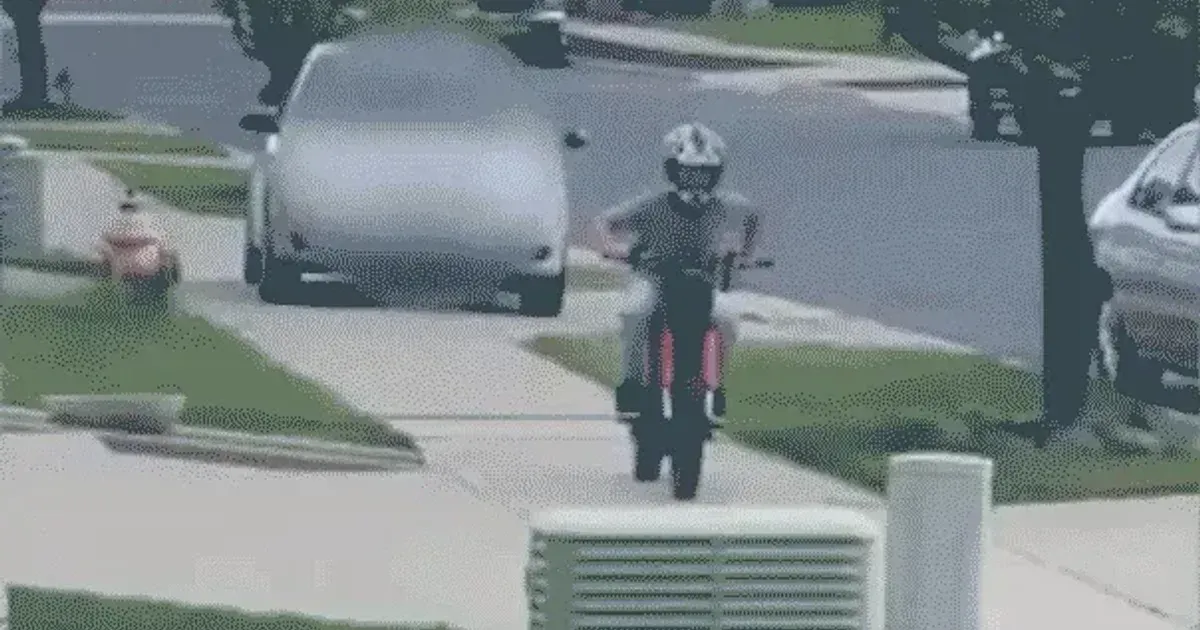
The Spokane arrest also gives police a case that turns on witness accounts and a child's description of fear. Spokane County deputies arrested Wendy A. Clemente after reports that a driver chased a child on a sidewalk and later tried to enter a nearby home. The sheriff's office said the incident began on May 4, 2026, when residents reported a silver sedan driving onto a sidewalk toward a child riding a dirt bike or small bike in a Spokane-area neighborhood.
Video cited in local and national coverage appeared to show the sedan following the child along the pedestrian path before returning to the roadway. Deputies treated the allegation as serious because a vehicle on a sidewalk can quickly become a deadly threat. No physical injuries were reported, but the reported conduct led investigators to pursue attempted assault and impaired-driving allegations. That gap between no injury and serious charges is exactly why vehicle cases can move quickly from traffic enforcement into felony review.
Sidewalk Chase Reported by Neighbors
Witnesses gave deputies a description of the vehicle and helped narrow the search. The sheriff's office said the driver appeared to leave the roadway and track the child on the sidewalk, an allegation that moved the case beyond ordinary reckless driving. The child's ability to get away without injury does not reduce the seriousness of the reported risk.
Investigators have not publicly described a clear motive for the chase. That uncertainty matters because the known facts are already narrow enough: residents reported the vehicle, video showed a dangerous path of travel and deputies later connected the car to Clemente. The case should be framed as an allegation supported by law enforcement reports, not as a final finding by a court.
The sidewalk location is central to the charge decision. Cars do not belong on pedestrian paths, and a child has limited options when a vehicle leaves the street. Prosecutors will likely focus on whether the driving pattern shows intent, recklessness or impairment severe enough to support the felony assault allegation.
The public video also matters because it gives investigators more than competing recollections. Footage can help establish the path of the car, the proximity to the child and whether the driver returned to the roadway voluntarily or because the child escaped. Those details may determine whether prosecutors describe the conduct as a deliberate assault, a reckless impaired-driving episode or a combination of both.
Trespassing Call Leads to Arrest
About an hour later, a homeowner roughly a mile away reported a burglary or trespassing concern after seeing a woman at the property on security video. Deputies responded and found Clemente near a silver sedan. That second call helped officers connect the sidewalk report to a person and vehicle they could investigate directly.
Deputies reported signs of alcohol impairment during contact with Clemente. According to law enforcement accounts cited by Fox News and CBS coverage, she initially denied drinking before later acknowledging alcohol use. Investigators obtained a warrant for a blood sample, a common step when officers need evidence for a driving under the influence case.
The arrest report also described resistance during the process, including an allegation that Clemente struggled with deputies and attempted to kick an officer. Those claims add to the legal exposure, but they remain allegations until addressed in court. The charges now place the case in the criminal process, where prosecutors must decide what counts to pursue and what evidence supports them.
The trespassing report also gives prosecutors a timeline problem to examine. If the same vehicle and driver were involved in both calls, the state can argue the sidewalk chase was not an isolated moment of poor judgment. The defense may instead press for a narrower reading, separating the driving allegation from the later property call and challenging whether impairment, confusion or mistaken identification explains any part of the sequence.
Legal Questions After Release
A court commissioner released Clemente on her own recognizance the next day. That decision drew attention because the allegations include attempted first-degree assault, DUI and first-degree criminal trespass. Release on recognizance does not mean the court dismissed the case; it means the court allowed the defendant to remain out of jail under conditions while proceedings continue.
The release question is likely to remain the most contested part of the story locally. Courts weigh public safety, flight risk, criminal history and the available record at the first appearance. Neighbors who saw the video may view the release as too lenient. Defense attorneys in similar cases often argue that early hearings occur before the state has completed testing, charging review and evidence collection.
The blood-test result could shape the next phase. If laboratory testing supports the DUI allegation, prosecutors may argue that impairment explains part of the driving and trespassing pattern. If it does not, the state will still have to address the video, witness statements and the later property call. Either way, the central question will be whether the evidence proves the alleged use of the car as a weapon.
For now, the case is best understood as a public-safety incident moving into court. A child was not injured, but the allegations describe a dangerous sidewalk pursuit and a separate trespassing call within a short period. The legal process will determine whether Clemente's reported conduct meets the standard for the felony charges described by deputies.