The Palisades Fire case is moving through court as both an arson prosecution and a study of alleged motive. Prosecutors are using the suspect's statements to describe anger before the blaze. That evidence may shape how jurors understand intent, not just ignition. The references to Luigi Mangione add a public-safety dimension to the filing. Prosecutors say the man accused of sparking the deadly Palisades Fire had ranted about Luigi Mangione, capitalism and resentment before the initial blaze began. On May 4, 2026, AP reported that court filings describe Jonathan Rinderknecht as angry, isolated and fixated on grievances in the hours before prosecutors say he started a fire near Pacific Palisades. The filing also gives investigators a narrative for why the initial fire allegedly began where it did. Defense lawyers are likely to challenge how much weight prosecutors can place on online comments and personal grievances.
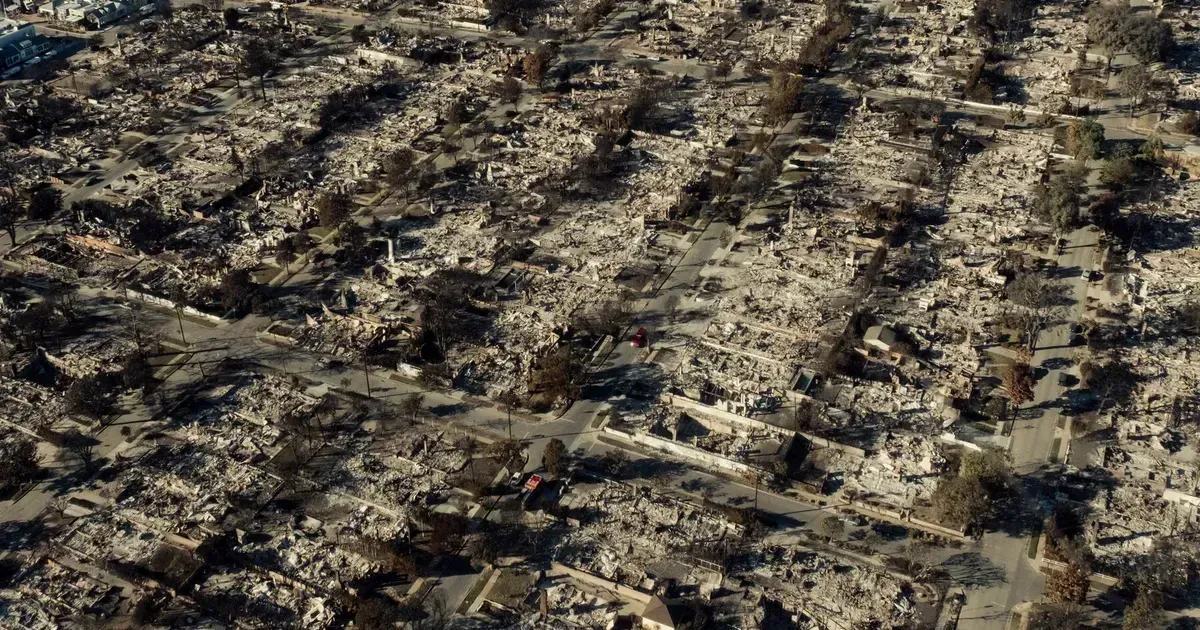
Rinderknecht, 29, has pleaded not guilty. The Palisades Fire began on January 7, 2025, in hillside neighborhoods of Pacific Palisades and Malibu, killing 12 people and becoming one of the most destructive fires in California history. Prosecutors allege that a smaller January 1 fire burned undetected in root systems before flaring back up days later.
The new allegations do not turn the case into a verdict. They are part of the prosecution's attempt to explain motive before trial. Rinderknecht's attorneys have argued that he is being used as a scapegoat for the Los Angeles Fire Department's failure to fully extinguish the earlier blaze.
That defense theory gives the case two tracks. One track is psychological and political, centered on what Rinderknecht allegedly said about Mangione, capitalism and wealthy communities. The other is technical, centered on whether fire investigators can prove that a January 1 ignition point caused the January 7 disaster after days of hidden burning.
What Prosecutors Allege
According to the filings described by AP, Rinderknecht was upset that he had no plans for New Year's Eve and talked to passengers about Mangione, capitalism and vigilantism. Mangione is the defendant in the killing of UnitedHealthcare CEO Brian Thompson, a case that has drawn national attention and a separate federal prosecution.
Court Filing Details
Prosecutors also cited an interview in which Rinderknecht allegedly said someone might commit arson in the Palisades out of resentment toward wealthy people. That language is important because it shows how the government may try to connect the fire to motive. It does not, by itself, prove that he started the blaze or that every grievance described in the filings drove his actions.
The prosecution's theory is narrow enough to state carefully: they allege the suspect's anger, references to Mangione and resentment toward the rich help explain why he set the initial fire. The defense will likely challenge both the factual basis and the relevance of that motive evidence.
Fire Timeline Remains Central
The case still turns on the fire timeline. Prosecutors say Rinderknecht started a smaller fire on January 1, and that the earlier fire continued burning in root systems before reigniting as the catastrophic Palisades Fire on January 7. That theory is technically complex because it links two fire events separated by several days.
Defense attorneys have attacked that link, arguing that investigators are blaming the defendant for a broader firefighting failure. Their argument is that the earlier fire should have been fully extinguished by public agencies. If jurors accept that theory, the prosecution's motive evidence may matter less than the technical evidence about fire origin, suppression and reignition.
Rinderknecht's trial is scheduled to begin June 8. Until then, the public record is a contest between the prosecution's motive narrative and the defense's claim that the government is overstating his responsibility for a disaster shaped by emergency-response failures.
The timing also matters for jurors. If prosecutors can show that the first fire continued burning underground or in root systems until the later flare-up, motive evidence becomes part of a larger chain. If the defense can break that chain, the most inflammatory statements in the filings may become less decisive. That is why the trial is likely to turn as much on fire science, expert testimony and suppression records as on motive.
Motive Evidence Could Help Prosecutors but Prejudice Jurors
The Mangione references are powerful because they make the case sound ideological, but they also create evidentiary risk. A judge may have to decide how much of that material is relevant to motive and how much could unfairly prejudice a jury. Prosecutors will argue that the statements help explain intent. The defense can argue that anger and political talk do not prove arson.
That distinction matters. A criminal trial is not a referendum on whether the defendant held disturbing views or admired a notorious suspect. It is a test of whether prosecutors can prove the charged conduct beyond a reasonable doubt. In this case, that means proving who started the January 1 fire, whether it caused the later inferno and whether the government can connect Rinderknecht's statements to his alleged actions.
The public appetite for a single villain after a deadly wildfire is understandable, but it can also distort the legal process. The Palisades Fire killed 12 people and devastated communities. The trial now has to determine whether the government's account of motive, ignition and causation can survive adversarial testing in court. That burden remains squarely on prosecutors.