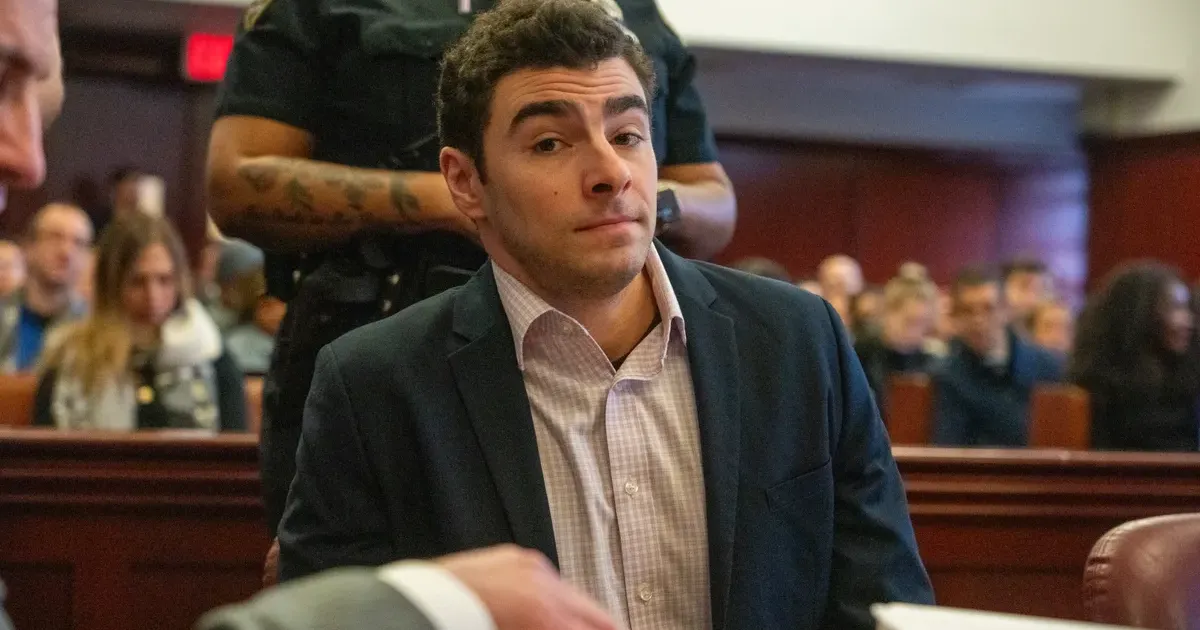
Luigi Mangione entered a Manhattan courtroom to hear a federal judge deny his attempt to postpone a high-profile murder trial until the following year. Judge Margaret Garnett, presiding over the U. The ruling was issued on April 1, 2026. S. District Court proceedings, scheduled jury selection to begin on October 5, 2026. Opening statements in the case will likely follow on October 26 or November 2, depending on the speed of the selection process. This decision forces the defense to prepare for two separate trials within a single calendar year.
Brian Thompson, the late CEO of UnitedHealthcare, was assassinated in December 2024 while attending a work conference in New York City. Prosecutors allege that Mangione, an Ivy League graduate and anti-corporate activist, stalked the 50-year-old executive before shooting him outside a Midtown hotel. New York state authorities have also filed charges against the 27-year-old defendant, creating a complex jurisdictional overlap that has frustrated his legal team for months.
Federal marshals escorted Luigi Mangione into the courtroom at 11:24 a.m. for the hearing. Dressed in a tan jail jumpsuit with his sleeves rolled up, he appeared with leg shackles and no handcuffs. Mangione sat quietly as his lead defense lawyer, Karen Friedman Agnifilo, argued that the current schedule placed an undue burden on her team. She specifically requested a start date in 2027 to allow for adequate preparation following the conclusion of the state-level murder trial.
Judge Garnett showed no interest in state-level delays.
Judge Margaret Garnett Rejects Trial Postponement
Garnett stated clearly that she would not be held hostage by the schedule of a state court judge handling a separate case. Her focus remained on the integrity of the federal proceedings and the right to a timely resolution. While the defense characterized the request for extra months as reasonable, the court prioritized the federal calendar over the logistical preferences of the defense counsel. Garnett noted that her primary responsibility is to ensure Luigi Mangione receives a fair trial within her specific jurisdiction.
Assistant U.S. Attorney Dominic Gentile countered the defense claims by highlighting the overlapping nature of the evidence. He noted that both the state and federal cases will rely on the same set of facts and a nearly identical list of witnesses. Gentile argued that the defense already possesses much of the necessary discovery material because of the ongoing state litigation. He suggested that adjustments to the jury questionnaire would solve any logistical hurdles rather than a total trial delay.
Government lawyers recently moved to change the jury questionnaire schedule because Mangione no longer faces a potential death penalty. Removing the capital punishment element simplifies the selection process sharply. Gentile insisted that the transition from a capital case to a standard murder trial reduces the complexity of pretrial preparation. The prosecution intends to present a streamlined case focused on the physical evidence recovered during the multi-state manhunt that followed the shooting. The legal proceedings against Mangione reflect the intense caseload managed within the Manhattan federal court system.
Defense Team Outlines Strategic Preparations
Karen Friedman Agnifilo maintained that the defense requires more time to analyze the forensic data collected by federal investigators. She argued that the state trial would consume the team's resources and leave them ill-equipped to pivot immediately to the federal courtroom. Under the current plan, the defense must manage thousands of pages of documents while simultaneously litigating the state case. Agnifilo expressed concern that a rushed timeline could lead to procedural errors or an ineffective assistance of counsel claim during the appeals process.
I don't think what we're asking for is unreasonable,
Legal observers noted that the defense strategy hinges on challenging the reliability of the weapon evidence. Lawyers for Mangione have made several attempts to toss evidence related to the murder weapon in state court. If those efforts fail at the state level, the federal trial becomes the primary battleground for the defense. Agnifilo stressed that her client deserves the same level of scrutiny in the federal system regardless of the outcome in the New York state proceedings. Mangione, meanwhile, remains a figure of intense public interest due to his background and the nature of the target. Before his arrest, he was known as a high-achieving student with connections to elite institutions. The prosecution plans to use his writings and digital footprint to establish a motive rooted in anti-corporate sentiment. Brian Thompson was a leading figure in the healthcare industry, and the government believes the shooting was a calculated political statement.
Prosecution Highlights Shared Witness Testimony
Dominic Gentile informed the court that the government is ready to proceed with its witness list. Many of the individuals expected to testify are law enforcement officers who participated in the investigation across several states. Because these witnesses are already preparing for the state trial, Gentile argued that their testimony for the federal case will be refreshed and ready by the October 5, 2026, start date. He dismissed the idea that the defense would be blindsided by any new revelations in the federal phase.
Judge Garnett appeared to agree with this assessment of the evidentiary overlap. She remarked that she does not envision a particularly complex proceeding despite the high-profile nature of the crime. Facts of the shooting are documented, and the primary legal disputes involve the admissibility of specific forensic markers. Garnett reiterated that her role is not to manage the defendant's entire legal portfolio but to keep her specific docket moving toward a verdict.
Security in the Manhattan courthouse will likely be heightened for the duration of the trial. Given the public reaction to the assassination of a major CEO, officials are planning for meaningful media presence and potential protests. Marshals have already coordinated with local police to manage the perimeter of the building during Mangione's appearances. The state trial will likely serve as a blueprint for the security measures needed when the federal case begins in the fall.
Federal Trial Logistics and Jury Selection
Jury selection remains the most serious hurdle for both sides in the upcoming federal trial. The large public attention surrounding the death of Brian Thompson makes finding impartial jurors a difficult task for the court. Garnett acknowledged that the state trial will likely saturate the news cycle just before the federal jury selection begins. This proximity in timing requires a more rigorous screening process to ensure that the final panel has not been prejudiced by state-level testimony.
Court officials will use a specialized questionnaire to filter out individuals with strong preconceived notions about the case. The anti-corporate manifesto allegedly written by Mangione has been widely circulated online, further complicating the search for neutral jurors. Despite these challenges, Garnett insisted that the Manhattan jury pool is large enough to provide a fair cross-section of the community. She ordered both parties to finalize the jury questions by the end of the summer.
Federal Trial Timing Risk
Will the pursuit of swift justice jeopardize the constitutional right to a prepared defense, or is Judge Margaret Garnett correctly identifying a stalling tactic? The decision to deny a trial delay for Luigi Mangione is a blunt rejection of the legal theater often employed by high-profile defense teams. By refusing to be held hostage by the state court schedule, Garnett is asserting the primacy of the federal judiciary and signaling that the court will not tolerate the procedural bloat that often plagues cases involving the corporate elite or their ideological enemies.
Defense attorneys frequently use jurisdictional overlap as a tool to exhaust the prosecution or find favorable rulings in one venue to leverage in another. Agnifilo’s plea for a 2027 start date is a transparent attempt to decouple the federal trial from the immediate public fervor of the state case. However, the federal government has a legitimate interest in resolving this matter while the evidence is fresh and the public interest is high. Delaying the trial would only serve to soften the impact of the prosecution's narrative and provide Mangione with a longer platform for his anti-corporate posturing. Garnett is taking a calculated risk. If the state trial reveals meaningful new evidence or if the defense can prove they were genuinely overwhelmed, the October start date could provide grounds for an appeal. Yet, the sheer overlap in witnesses and facts makes the defense's claim of unreasonableness ring hollow. The court is right to prioritize efficiency. Justice delayed is often justice manipulated.