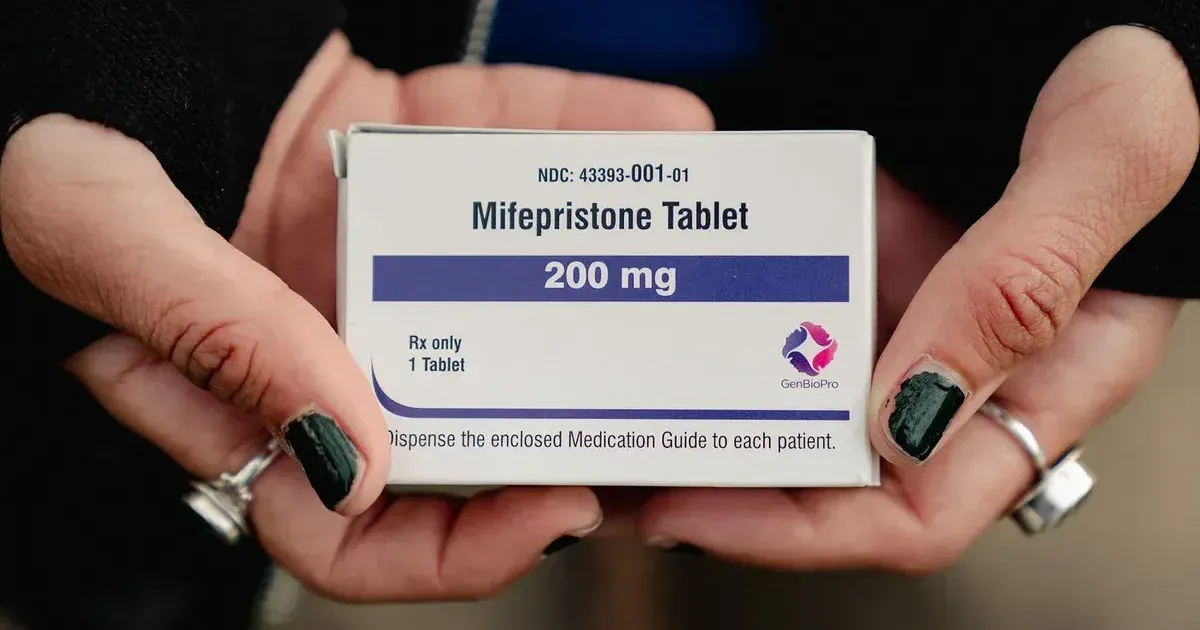
Supreme Court justices intervened to protect nationwide access to mifepristone. The decision arrived on May 4, 2026, as part of a high-stakes legal challenge regarding federal pharmaceutical regulations. By issuing this stay, the high court effectively blocked a lower court ruling that sought to restrict the distribution of the medication through the mail. This procedural move ensures that current Food and Drug Administration guidelines stay in place while litigation continues in the appellate system. For patients and doctors, the stay means existing mailing rules remain available while the lower courts continue to sort through the challenge. That practical effect is immediate even though the Supreme Court has not resolved every legal question in the case. The ruling also gives the FDA more time to defend its scientific review process. Abortion opponents can continue their challenge, but the immediate access question now favors the federal status quo until the next stage of litigation.
Justice Samuel Alito signed the order that temporarily restores the regulatory framework allowing patients to receive the pill without an in-person clinic visit. Previous rulings from a federal appeal court had sought to reinstate older, more restrictive requirements. Those earlier mandates would have forced patients to visit healthcare providers in person to obtain the drug, regardless of their proximity to a clinic. The Supreme Court intervention prevents those restrictions from taking effect immediately across the United States.
Reversal of In-Person Distribution Mandate
Federal appeals court judges had previously moved to block a specific FDA rule that allowed the mail-order distribution of mifepristone. That lower-court decision threatened to sharply reduce availability for millions of people, particularly those in rural or restrictive jurisdictions. Providers warned that a sudden shift back to in-person requirements would create logistical bottlenecks and overwhelm existing brick-and-mortar facilities. The current order from the Supreme Court preserves the 2021 and 2023 regulatory changes that expanded access via telehealth and mail delivery.
Legal experts note that the stay is provisional. It does not resolve the underlying merits of the case but prevents a sudden change in medical access while the courts deliberate the broader authority of the FDA. The government argued that the lower court had overstepped its bounds by second-guessing the agency's scientific findings. Records from the FDA show that the medication has a safety profile established over more than two decades of use. Critics of the restriction pointed out that the drug is used in more than half of all pregnancy terminations in the country.
Mifepristone was approved by the FDA in 2000 as part of a two-drug regimen used to terminate a pregnancy, and access has expanded in recent years.
Court filings from the Department of Justice emphasized the potential for widespread disruption if the mail-order rule was struck down. Attorneys for the government stated that such a move would undermine the regulatory certainty required by the pharmaceutical industry. The Supreme Court appeared to recognize these concerns by maintaining the status quo for the duration of the legal challenge. Access to the drug persists through licensed online pharmacies and traditional healthcare networks.
FDA Regulatory Authority and Historical Context
Mifepristone has long been a foundation of reproductive healthcare since its initial FDA approval in 2000. The medication works as the first part of a two-drug regimen, typically followed by misoprostol, to end early-stage pregnancies. Over the last twenty-six years, the agency has periodically updated its safety protocols to reflect clinical data. Those updates included extending the window for use and removing the requirement for in-person dispensing during the global pandemic. The Supreme Court's latest order keeps those modernized protocols active.
While the legal battle persists, medical organizations continue to support the safety of the current mail-delivery model. Data from healthcare systems suggests that medication abortion is highly effective and rarely results in complications requiring emergency intervention. The appeals court had questioned the rigor of the agency's review process, a move that pharmaceutical companies warned could jeopardize other drug approvals. A stay from the high court provides a temporary shield for the agency's administrative autonomy. The case will now move through further emergency briefing before the justices decide how broadly to address the merits.
Providers have already begun communicating with patients to confirm that mail-order services will continue without interruption. Many clinics had prepared for a possible shutdown of tele-health options, which would have forced them to cancel thousands of appointments. The Supreme Court action provides immediate clarity for these medical facilities. Patients currently holding prescriptions for the medication can fulfill them through existing mail-order channels. The ruling holds the current standards in place until a final judgment is rendered.
The Stay Protects FDA Authority While the Case Continues
How does a temporary stay from the highest court influence the long-term viability of federal agency power? This order suggests a reluctance to allow lower courts to disrupt nationwide pharmaceutical access on an emergency basis. By halting the appeals court mandate, the Supreme Court signals that the established FDA process for drug evaluation and distribution carries substantial weight. It protects the administrative state from sudden, localized judicial interventions that could create a patchwork of drug availability across state lines.
Lower courts may find their ability to restrict established medications limited if the Supreme Court later applies the same reasoning on the merits. If the final ruling aligns with this temporary stay, it will reaffirm the principle that scientific agencies, rather than the judiciary, are the primary arbiters of drug safety and distribution protocols. The result would likely stabilize the pharmaceutical market and provide a predictable environment for drug manufacturers. Legal scholars will be watching closely to see if the court applies this same logic to the final merits of the case.
The decision could ultimately define the boundaries between judicial oversight and executive branch expertise for decades to come. A reversal at the final stage would likely lead to a fragmented system where mail-order access depends entirely on the geographical location of the patient.