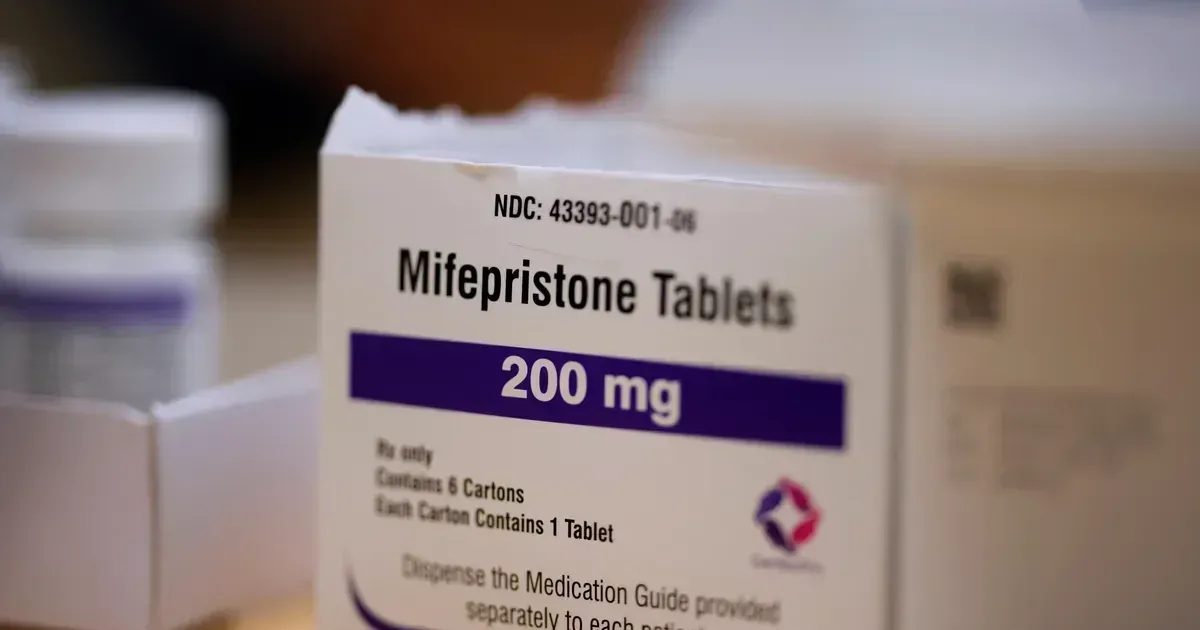
A federal appeals court issued a nationwide injunction to stop the distribution of mifepristone through the postal service. Judges ruled that the medication, used in more than half of all abortions nationwide, cannot be legally sent to patients by mail. The decision took effect immediately on May 2, 2026, and limits a major method used by telehealth providers to deliver reproductive healthcare across state lines. The panel was the New Orleans-based 5th U.S. Circuit Court of Appeals, which moved after litigation tied to Louisiana's abortion ban. The ruling also leaves patients, prescribers and mail-order pharmacies facing a patchwork of rules while litigation continues. Abortion-rights groups argue that the decision will make access depend more heavily on geography and clinic capacity. Opponents of mailing the pills say the restrictions restore oversight to a drug regimen that had moved too far from in-person medical review. The appellate order also keeps the issue moving toward a possible Supreme Court fight if the lower courts remain split on agency authority. The Justice Department can argue that FDA scientists evaluated safety under federal law, while challengers can keep pressing claims about telehealth, mailing rules and emergency care. That makes the case a proxy for how much control states and courts can exert over a federally approved drug. The decision also puts pressure on clinics in states where abortion remains legal. If mail access narrows, patients may travel farther, seek appointments sooner or rely on a smaller number of providers. That operational burden is part of why the case has consequences beyond the parties named in court. For rural patients, even one extra appointment or travel day can determine whether legal access exists in practice. Providers will have to plan around that uncertainty while appeals continue.
Telehealth providers lost their primary distribution channel overnight.
Removing the mail-order option forces patients to travel to physical clinics to obtain the medication. Records from recent years show that medication abortion accounts for a significant part of all reproductive services in the United States, while previous regulatory expansions by the FDA allowed shipping without an in-person visit. Mifepristone was approved in 2000 and is typically used with misoprostol for early pregnancy termination. Access to these drugs became a focal point of legal battles after the Supreme Court overturned Roe v. Wade, and public health experts previously identified telehealth as a critical tool for maintaining clinical availability in states with limited facilities.
Shipping restrictions now require healthcare professionals to dispense the drug in person. Such a shift complicates the logistics for patients living in rural areas where certified providers may be scarce. Courts focused the ruling on the method of delivery rather than the legality of the drug itself. That restriction applies to every state, regardless of local laws that might otherwise permit remote healthcare services.
Telehealth Access Cut by Nationwide Order
Attorneys representing reproductive rights groups expressed concern that the ruling creates an immediate barrier for low-income patients. Clinical data suggest that many individuals relied on remote consultations to bypass the travel costs associated with in-person medical appointments. Distribution networks that used the U.S. Postal Service or private couriers must cease operations related to this drug immediately.
Abortion drugs cannot be sent to patients by mail under the current judicial interpretation of distribution laws. Medication safety protocols were cited in the ruling as a reason for requiring physical oversight during the dispensation process. While the drug is still legal to possess and use in many jurisdictions, the physical hand-off between a certified provider and a patient is now required. Specialized clinics are therefore the central authorized points of contact for obtaining the pills, adding administrative pressure to a healthcare system already strained by state-by-state restrictions.
ABC News reported that the order bars telehealth dispensing and distribution through pharmacies and mail.
Legal Challenges to Mailing Regulations
State-level protections for reproductive rights often clash with federal court rulings on pharmaceutical distribution. Although some states passed shield laws to protect their doctors, federal jurisdiction over the postal system complicates those legislative efforts. Federal judges argued that the previous easing of restrictions by regulators did not adequately account for the risks of remote administration. The panel also noted that FDA officials could not say when a new safety review might be complete. This case now has direct implications for how the FDA manages other high-risk medications in the future.
Legal experts expect an immediate appeal to the Supreme Court as clinics seek to restore mail access. Meanwhile, providers are forced to restructure their business models to include more physical locations or mobile clinics. Large healthcare networks had transitioned to a hybrid model that prioritized remote care for early-stage prescriptions. In-person mandates disrupt these established workflows and could lead to longer wait times for basic medical services.
The Ruling Shifts Drug Access From FDA Science to Judicial Control
The sudden restriction on mifepristone mailing forces a major recalculation of federal regulatory power versus judicial oversight. A courtroom-driven shift suggests that judges, instead of agencies, are increasingly dictating the logistical boundaries of healthcare delivery. Future challenges will likely target the specific authority of the FDA to modify distribution protocols without exhaustive judicial review. Local governments may find their own reproductive health policies neutralized by these federal mandates.
Agencies will need to demonstrate a stronger defense of their administrative decisions to withstand similar litigation. The ruling places a premium on the physical infrastructure of healthcare, potentially disadvantaging providers who invested heavily in digital-first platforms. Lawyers for the government are expected to argue that the FDA holds the sole legal authority over drug safety.