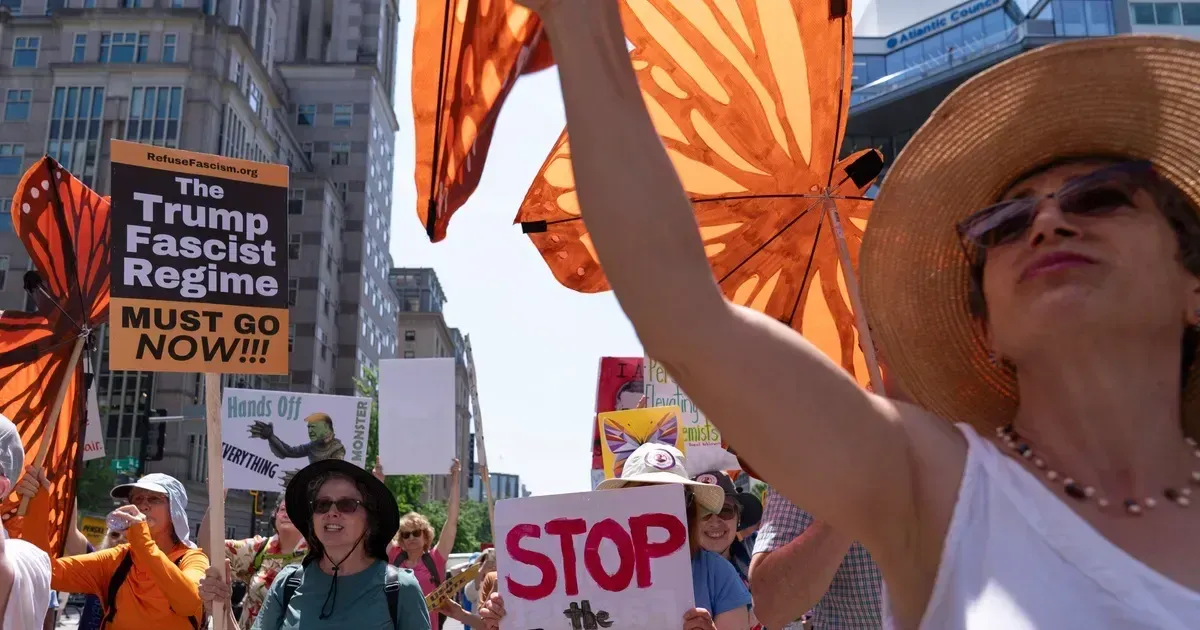
The May Day boycott gives anti-Trump organizers a way to turn street protest into economic pressure. Labor groups and immigrant-rights activists are trying to link workplace action with consumer restraint. Organizers of May Day demonstrations mobilized across major American cities on Friday. These planned actions, scheduled for May 1, 2026, follow a period of heightened political friction and the resolution of a record-breaking Department of Homeland Security shutdown. Activist groups are calling for a stoppage of work, school and consumer spending to draw attention to their platform. They have adopted the "No Kings" slogan to characterize opposition to current executive power and federal policies.
Crowds began gathering in urban centers early Friday morning.
National leaders of the movement emphasize that the tripartite boycott targets the economic foundations of the current administration. By requesting that participants abstain from labor, education and commerce, the movement seeks to demonstrate the collective power of workers. Organizers argue that a coordinated withdrawal from the economy can register dissent against what they describe as a shift toward autocratic governance. Participation numbers are expected to fluctuate throughout the day as different time zones join the work and school walkouts.
Economic disruption is the primary mechanism for this specific protest strategy. Proponents of the movement say traditional marches are insufficient for the current political climate, so they are prioritizing the financial impact of a nationwide consumer and labor strike. Activists have focused their rhetoric on wealthy donors, corporate influence and what they call a billionaire takeover of government. The protest organizers are calling for a boycott of work, school and shopping to challenge Trump administration policies.
Legislative developments provided a complex backdrop for the day's events. Congress recently ended a shutdown of the Department of Homeland Security that set a new record for duration. While the resolution of the funding crisis ensures that security operations continue, protest organizers have linked the shutdown to broader grievances regarding institutional stability. They contend that the lapse in agency funding was symptomatic of deeper dysfunction within the executive branch.
Economic Boycott Targets Executive Authority
Activists are using the "No Kings" mantle to unify groups ranging from labor unions to student organizations. This focus on executive overreach has become a rallying point for those frustrated by recent policy shifts in Washington. Organizers say more than 500 labor unions, student groups, community organizations and local chapters are involved in May Day actions. The National Education Association is one of the most visible organizers, while student climate groups have promoted school walkouts as part of the broader strike. In North Carolina, some public school districts closed because of expected staff absences tied to the demonstrations.
Protest groups have specifically targeted retail hubs, campuses and financial districts. By discouraging shopping, they aim to draw attention from the private sector as well as elected officials. Success for the movement is being measured by the visibility of the boycott, the number of participating organizations and the ability to keep labor issues connected to democracy concerns. Actions were planned in cities including Chicago, Los Angeles, Seattle, New York, Minneapolis, Washington, Albuquerque and Portland.
City officials in New York and Los Angeles increased the presence of local law enforcement near protest sites. While most actions were expected to remain peaceful, the scale of the mobilization prompted caution from municipal authorities. Security protocols were adjusted ahead of afternoon rallies, which often serve as the culmination of the day's boycott efforts. The White House said the administration has supported workers through trade, tax and border policies, signaling that the protests are unlikely to soften the political dispute quickly.
Federal Stability and Growing Labor Dissent
The conclusion of the Department of Homeland Security shutdown has not quelled the momentum of the activists. Federal employees returning to their posts face an environment of continued political uncertainty. Lawmakers reached a deal to restore funding only after weeks of negotiations that affected thousands of government workers. This resolution allowed essential services to resume, yet the friction between the administration and its critics remains high.
National labor organizations have expressed varying levels of support for the May Day actions. Some unions have formally endorsed the walkouts, while others have encouraged members to participate in symbolic ways that do not violate collective bargaining agreements. Organizers have indicated that Friday's actions are part of a longer strategy of civil disobedience, and demonstrations are expected to continue into the evening.