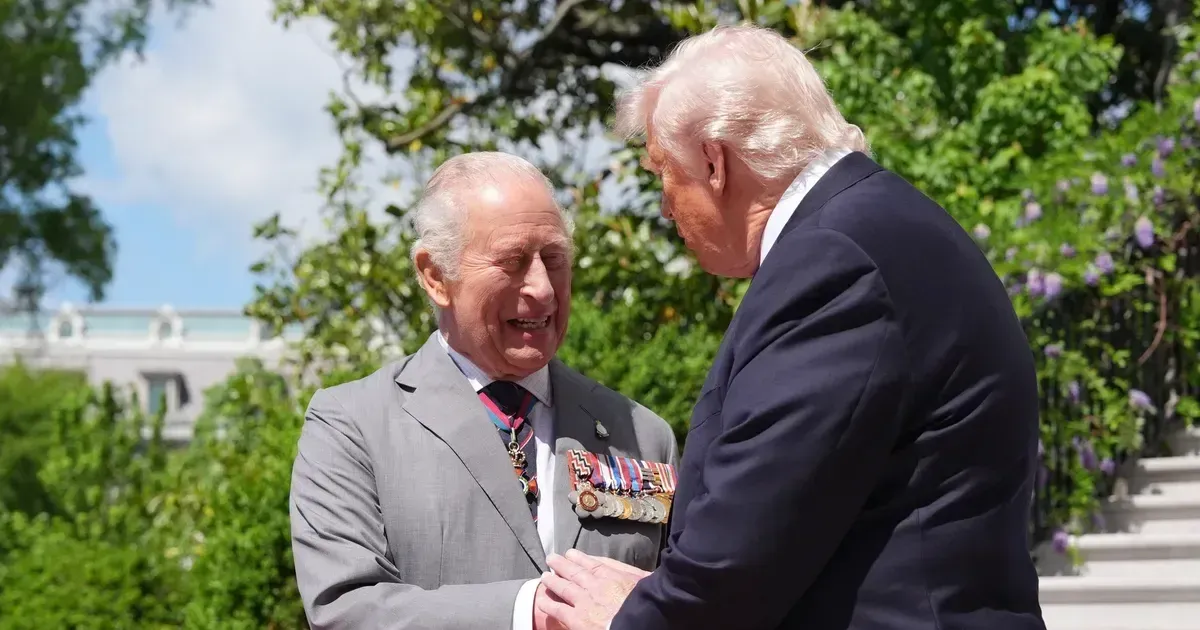
The state visit ended with a local Virginia event rather than another Washington ceremony. King Charles III finished a high-stakes tour of the United States with a departure from formal protocol in the rural Virginia countryside. The final day of the itinerary unfolded on April 30, 2026, after meetings spanning the political and cultural capitals of the East Coast. A ceremonial farewell at the White House preceded the move to Front Royal, where the atmosphere shifted from high-level diplomacy to a community-focused block party.
Residents of the small town gathered for a potluck to host the British monarch and Queen Camilla. Local organizers arranged the event to provide an informal experience of American life, contrasting with the rigid schedules of Washington and New York. While the day was marked by social interactions, it also served a commercial function for British exporters. King Charles spent part of the visit highlighting the success of Scottish whisky in American markets, an important part of the UK’s trade relationship with the United States.
Local Diplomacy in Front Royal and Virginia
Virginia officials welcomed the royal couple as they moved through the crowd in Front Royal. This focus on small-town America was designed to showcase a different facet of the American public beyond the metropolitan political centers. Reports from the scene indicated that the King participated in local traditions and spoke with small business owners about their connections to British heritage. Security was tight, but the engagement appeared more relaxed than the earlier portions of the multi-city tour.
British diplomatic sources indicated that the choice of Front Royal was intentional. Royal visits often seek to balance the gravitas of a state dinner with events that resonate with a broader demographic. By attending a block party, the King sought to reinforce cultural ties that exist outside of government offices. The presence of Queen Camilla was also central to these engagements, as she visited with local artisans and community leaders during the afternoon festivities.
Political Friction and Contrasting Receptions
The warmth of the Virginia reception provided a sharp contrast to the atmosphere in New York City earlier in the trip. While in Manhattan, the royal couple met with Mayor Zohran Mamdani in a politically sensitive encounter. Mamdani, who has previously expressed skepticism toward the utility of monarchical visits, offered what observers called a cautious greeting. This specific interaction drew criticism from political opponents of the mayor who favored a more traditional welcome for the British head of state.
President Donald Trump and First Lady Melania Trump were among those who offered a different perspective on the royal presence. During a subsequent meeting, the president reportedly praised the King and Queen for their performance during the visit. A lipreader analyzing the interaction noted that the first family was particularly complimentary after the cooler reception in New York.
President Trump and Melania Trump were seen by observers showering the British royal couple with compliments following the reception in New York City. Instead, the Buckingham Palace communications team focused on the successes of the Virginia outing and the White House departure. President Donald Trump continued to emphasize the strength of the US-UK relationship in his public comments. The visit ended with a final salute from a military honor guard before the royal aircraft departed for London.
The Virginia Finale Turned Royal Ceremony Into Commercial Diplomacy
State visits are often viewed as purely symbolic, yet they serve as critical vehicles for the projection of soft power and the reinforcement of economic alliances. The 2026 tour by King Charles III arrived during a period when trade negotiations and defense cooperation require constant maintenance between the two nations. While the friction in New York City highlighted the growing divide in how modern political figures view the monarchy, the reception in Virginia demonstrated the persistent cultural affinity for British tradition in other parts of the country.
The promotion of Scottish whisky and other UK exports during the trip highlights the reality that these visits are as much about commerce as they are about ceremony. Moving forward, the success of this tour will likely be measured by the stability of bilateral trade agreements rather than the individual political disagreements encountered in Manhattan. The transition from the White House to a rural block party illustrates the complex dual role of the modern monarch as both a diplomat and a cultural ambassador.